
Last updated on August 25th, 2026 at 01:51 pm
The engine control module (ECM) in your 1991 Nissan 240SX manages fuel delivery, ignition timing, and idle stability. Failures may cause hard starts, stalling, or poor acceleration, often due to internal corrosion or voltage spikes from a weak charging system.
If your 1991 Nissan 240SX is struggling to start, stalling unexpectedly, or running rough, the engine control module (ECM) may be the culprit. Unlike modern vehicles with self-diagnostic systems, this pre-OBD-II model relies on a simpler but equally critical computer to manage fuel, ignition, and idle control. When the ECM fails, symptoms can be frustratingly vague—ranging from poor acceleration to a complete no-start condition—often leaving you guessing between fuel, ignition, or electrical issues. Understanding how this module works, where it’s located, and what replacement involves can save you time and unnecessary part swaps. A failed ECM doesn’t always mean a costly repair, especially if you opt for a pre-programmed replacement unit that eliminates the need for dealer reprogramming. This guide covers what the ECM does in your 240SX, how to spot failures, and the steps to restore reliable performance without the hassle of post-install programming.
1991 Nissan 240SX
OEM programmed ECM for your 1991 Nissan 240SX — plug & play, no dealer visit.
Free shipping · Lifetime warranty
The engine control module in your 1991 Nissan 240SX serves as the brain of the fuel injection and ignition systems. It continuously monitors inputs from sensors like the throttle position, coolant temperature, and oxygen sensor to adjust fuel delivery and spark timing for optimal performance. Without a functioning ECM, your vehicle may run poorly or not at all, as the module also controls idle stability and emission-related functions. Over time, internal components can degrade due to heat, vibration, or voltage irregularities, leading to intermittent or permanent failures. Replacing the ECM with replacement engine control modules for the 240SX ensures compatibility and restores factory-level engine management. While the 240SX’s system is less complex than modern vehicles, its reliance on the ECM means even minor faults can disrupt drivability. A failing module may not always trigger obvious symptoms, so recognizing the early signs—like hesitation under acceleration or erratic idle—can help you address the issue before it leaves you stranded.
After installing a new engine control module in your 1991 Nissan 240SX, the factory procedure requires a VIN relearn process to synchronize the module with the vehicle’s immobilizer and fuel system. This typically involves using a scan tool or following a specific key-cycle sequence to ensure the ECM recognizes the vehicle’s unique identifiers. However, opting for a VIN-programmed replacement unit from Flagship One eliminates this step entirely, as the module arrives pre-configured for your 240SX. This not only saves time but also reduces the risk of programming errors that could lead to starting issues or poor engine performance. While the relearn process isn’t overly complex, it does require access to the correct tools and procedures, making a pre-programmed unit a practical choice for both professional mechanics and DIY enthusiasts.
A failing engine control module in your 1991 Nissan 240SX can produce a range of symptoms that often mimic other issues, making diagnosis tricky. One of the most common signs is a no-start condition, where the engine cranks but fails to fire, often due to incorrect fuel or spark timing controlled by the ECM. Stalling at idle or during acceleration is another frequent issue, as the module may struggle to maintain stable engine operation. You might also notice poor throttle response, hesitation under load, or an erratic idle that fluctuates unpredictably. In some cases, the vehicle may run roughly or misfire, particularly if the ECM is sending incorrect signals to the fuel injectors or ignition coils. Another telltale sign is a complete loss of communication with diagnostic tools, as the ECM may fail to respond to scan requests. If your 240SX exhibits an internal control module memory check failure, it’s a strong indicator that the ECM is malfunctioning and needs replacement. These symptoms can worsen over time, so addressing them promptly can prevent more severe drivability issues.
Stalling at idle is a common symptom of a failing ECM in the 240SX. The module controls idle speed and fuel delivery, so if it’s sending incorrect signals, the engine may struggle to maintain stable operation. Other potential causes include a faulty idle air control valve or vacuum leaks, but if those components check out, the ECM is a likely culprit.
Testing the ECM directly is challenging without specialized equipment, but you can perform basic checks. Verify power and ground at the module’s connectors, and inspect for corrosion or damaged pins. If the vehicle exhibits multiple symptoms like no-start, stalling, or poor acceleration, and other components test fine, the ECM may need replacement.
A used ECM may work temporarily, but it’s not recommended. The module is calibrated to the original vehicle’s VIN and fuel system, so mismatches can cause drivability issues or even prevent the engine from starting. A VIN-programmed replacement unit ensures compatibility and reliable performance.
Sensor issues often produce specific symptoms, like a coolant temperature sensor causing hard starts in cold weather. If multiple sensors or systems seem to fail simultaneously, or if the vehicle exhibits erratic behavior across different conditions, the ECM is more likely the problem. A scan tool can help rule out individual sensor faults.
Driving with a failing ECM is risky, as the module controls critical engine functions. Intermittent stalling or loss of power could leave you stranded or cause unsafe driving conditions. If you suspect ECM failure, address it promptly to avoid further complications.
If your 1991 Nissan 240SX is showing signs of ECM failure, you have two main options: attempt a repair or opt for a replacement. Repairs are rare for these modules, as internal failures often require full replacement. A new or remanufactured ECM, especially one pre-programmed for your VIN, ensures a straightforward installation without the need for dealer reprogramming. Given the labor involved in accessing the module, choosing a reliable replacement unit can save time and frustration, restoring your vehicle’s performance quickly and efficiently.
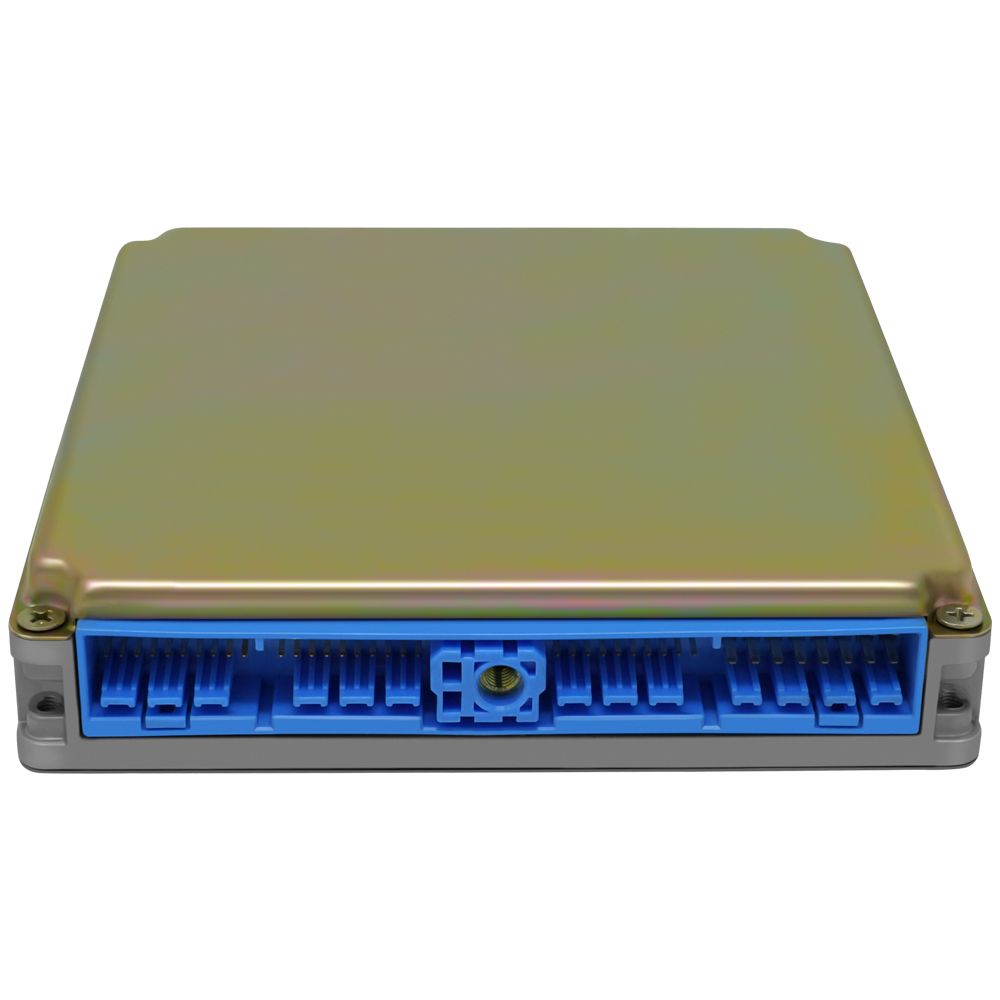
Flagship One stocks a refurbished, VIN-programmed ECM for the 1991 Nissan 240SX with a lifetime warranty, free shipping and no core charge. The full Nissan 240SX module lineup covers other engine configurations as well.
The engine control module in your 1991 Nissan 240SX plays a critical role in keeping the engine running smoothly. When it fails, symptoms like stalling, poor acceleration, or a no-start condition can disrupt your daily driving. Replacing the ECM with a VIN-programmed unit eliminates the hassle of post-install programming and ensures a reliable fix. If your 240SX is exhibiting signs of ECM failure, addressing the issue promptly can help you avoid more severe drivability problems down the road.