
Last updated on August 25th, 2026 at 01:57 pm
The powertrain control module (PCM) in your 2013 Mazda CX-5 manages engine and transmission functions. Failures may cause erratic performance, warning lights, or communication errors with diagnostic tools.
If your 2013 Mazda CX-5 is experiencing unexplained stalling, warning lights, or shifting problems, the powertrain control module (PCM) may be the culprit. This critical component oversees engine and transmission functions, and its failure can disrupt normal operation. Understanding the role of the PCM, the steps involved in replacement, and the importance of proper programming can help you make informed decisions. Whether you’re diagnosing an issue or preparing for a repair, knowing what to expect ensures a smoother process and avoids potential setbacks.
In the 2013 Mazda CX-5, the powertrain control module (PCM) acts as the brain for both the engine and transmission. It processes data from sensors to optimize fuel delivery, ignition timing, and shift points, ensuring efficient performance. A malfunctioning PCM may lead to poor drivability, reduced fuel economy, or even a no-start condition. Replacing it requires careful attention to detail, as installing the wrong module can cause further complications. When sourcing a replacement, replacement engine computers for the CX-5 are designed to match the vehicle’s specifications and minimize compatibility risks.
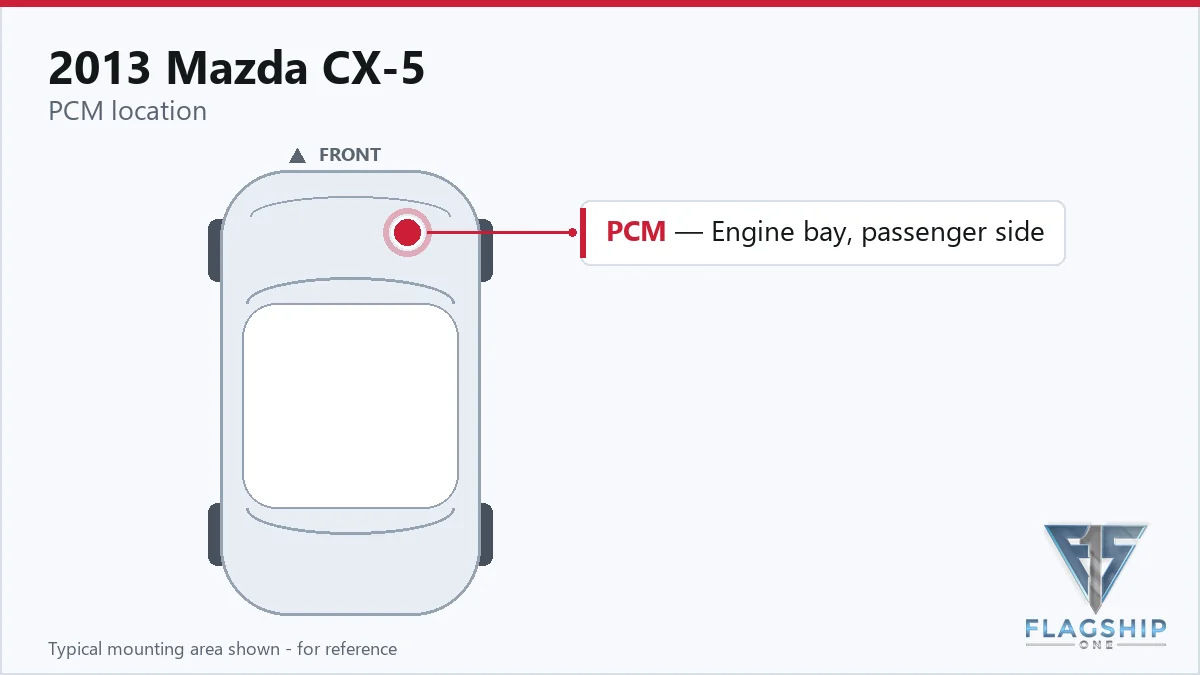
The PCM in your 2013 Mazda CX-5 is typically located near the engine bay, though exact placement may vary. Replacing it involves disconnecting the battery, removing the module’s mounting hardware, and carefully unplugging the wiring harness. The factory labor time for removal and reinstallation is 0.9 hours. After installation, a relearn procedure is often required, which adds another 0.5 hours to the process. Proper torque on mounting fasteners is essential to prevent vibration damage or loose connections, though specific torque values are not always provided in standard repair manuals.
Work with the ignition off, and treat the module as static-sensitive: avoid touching the connector pins at any point.
| Operation | Configuration | Book Time |
|---|---|---|
| Powertrain Control Module R&R | All configurations | 0.9 hr |
| Powertrain Control Module Relearn | All configurations | 0.5 hr |
| Engine Control Module R&R | All configurations | 0.9 hr |
| Engine Control Module Relearn | All configurations | 0.5 hr |
2013 Mazda CX-5
OEM programmed ECM for your 2013 Mazda CX-5 — plug & play, no dealer visit.
Free shipping · Lifetime warranty
After installing a new PCM in your 2013 Mazda CX-5, the factory procedure may require reprogramming to ensure compatibility with the vehicle’s systems. This step is critical if the module is not pre-configured for your VIN. However, a VIN-programmed replacement unit eliminates the need for additional programming, as it arrives ready to install. If reprogramming is necessary, it typically involves updating the module’s calibration to the latest available version, which can help resolve lingering issues or improve performance.
A failing PCM in the 2013 Mazda CX-5 may cause a range of symptoms, including intermittent stalling, rough idling, or a no-start condition. You might also notice warning lights on the dashboard, such as the check engine or transmission warning indicators. Diagnostic trouble codes like an internal control module memory check sum error may appear during a scan, signaling potential corruption within the module’s software. In some cases, the vehicle may enter a fail-safe mode, limiting engine power or shifting capabilities until the issue is addressed.
The 2013 Mazda CX-5 may log specific trouble codes when the PCM experiences internal faults. These codes help pinpoint issues related to memory, communication, or control functions within the module.
| Code | Meaning | Full Guide |
|---|---|---|
| P0600 | Module-internal fault | Full P0600 guide → |
| P0601 | Internal memory checksum error | Full P0601 guide → |
| P0602 | Control module programming error | Full P0602 guide → |
| P0606 | Module processor failure | Full P0606 guide → |
| P0607 | Module performance fault | Full P0607 guide → |
| P0610 | Module-internal fault | Full P0610 guide → |
| P061B | Module-internal fault | — |
| P061D | Module-internal fault | — |
| P061F | Module-internal fault | — |
| P0628 | Module-internal fault | Full P0628 guide → |
| P0629 | Module-internal fault | Full P0629 guide → |
| P0638 | Module-internal fault | Full P0638 guide → |
Mazda issued a technical service bulletin addressing check engine and automatic transmission warning lights in the 2013 CX-5. The bulletin (05-004/19) identifies several transmission-related diagnostic trouble codes, such as P0842, P0847, P0872, P0877, P0780, and P1738, which may be stored in the transmission control module’s memory. If these codes appear alongside PCM-related issues, further diagnosis or reprogramming may be necessary to resolve the underlying cause.
| Bulletin | Subject | What It Addresses |
|---|---|---|
| — | Technical Service Bulletin > Transmission/Transaxle > On-Board Diagnostics > 05-004/19 – Check | — |
Common signs include persistent warning lights, erratic engine or transmission behavior, and diagnostic trouble codes related to the PCM. A professional scan tool can confirm whether the module is communicating properly or if internal faults are present.
While physically replacing the PCM is straightforward, proper installation requires attention to electrical connections and may involve a relearn procedure. If you’re not experienced with automotive electronics, professional installation is recommended to avoid complications.
An incorrect PCM may cause interference with engine control, leading to poor performance, warning lights, or even a no-start condition. Always ensure the replacement module is compatible with your vehicle’s VIN and specifications.
If your 2013 Mazda CX-5 is showing signs of PCM failure, you have options. A repair may be possible if the issue is minor, but a replacement is often the most reliable solution. Refurbished or new modules designed for your vehicle can restore proper function, especially when pre-programmed to your VIN. Consider the labor and programming requirements when deciding the best approach for your situation.
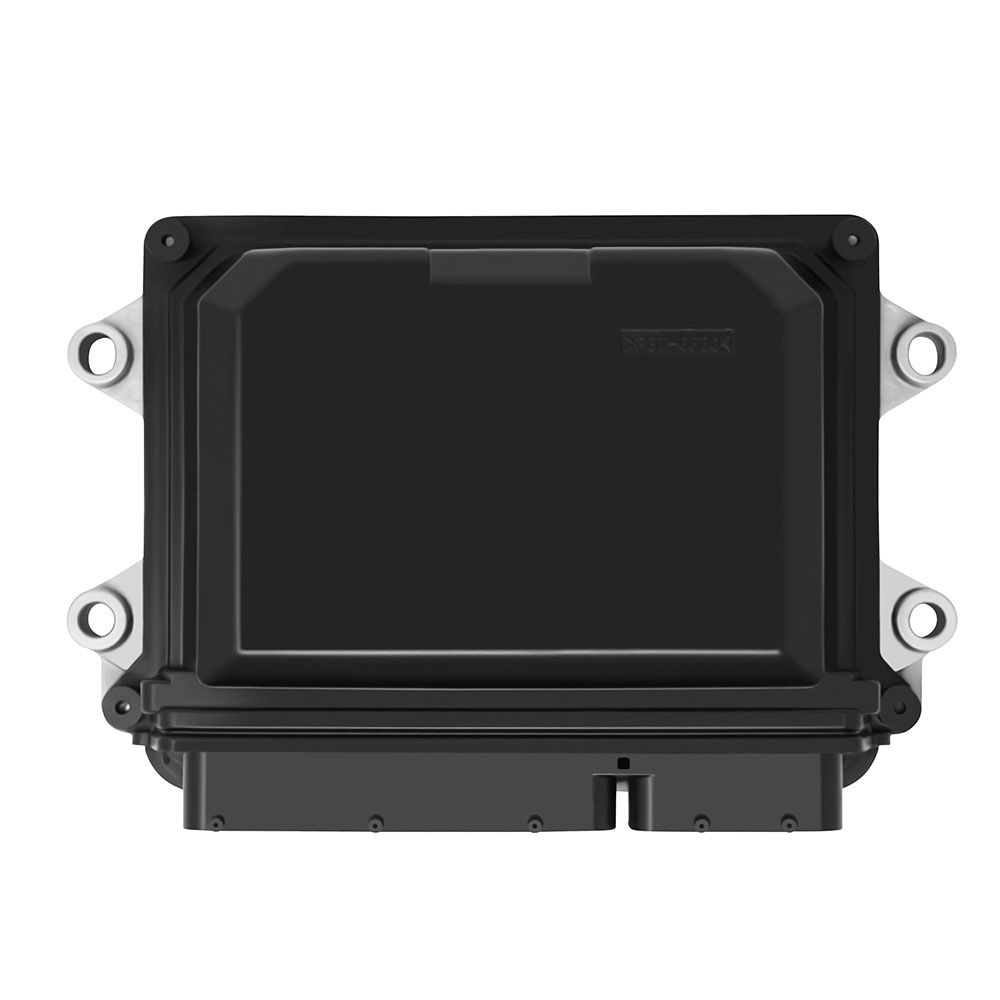
Flagship One stocks a refurbished, VIN-programmed PCM for the 2013 Mazda CX-5 with a lifetime warranty, free shipping and no core charge. The full Mazda CX-5 module lineup covers other engine configurations as well.
The 2013 Mazda CX-5 relies on its PCM for smooth engine and transmission operation. If you’re facing unexplained drivability issues, addressing the PCM early can prevent further complications. Whether you opt for a repair or replacement, understanding the process ensures a more informed decision and a better outcome for your vehicle.