
Last updated on August 25th, 2026 at 01:58 pm
The Powertrain Control Module (PCM) in your 2007 Mazda B2300 manages engine and transmission functions. Failures may cause poor performance, stalling, or a no-start condition, often triggered by voltage spikes or corrosion.
If your 2007 Mazda B2300 is stalling, failing to start, or showing a check engine light, the Powertrain Control Module (PCM) may be the culprit. This small but critical computer controls fuel delivery, ignition timing, and transmission behavior. When it fails, symptoms can range from subtle drivability issues to a complete no-start. Replacing the PCM involves straightforward labor, but proper programming is essential to avoid further problems. Understanding the process, labor times, and common failure signs helps you make an informed decision without unnecessary delays or costs.
The PCM in your 2007 Mazda B2300 acts as the brain for engine and transmission operations. It processes data from sensors to optimize fuel mixture, spark timing, and shift points, ensuring smooth performance and emissions compliance. A faulty PCM may disrupt these functions, leading to poor acceleration, rough idling, or even a vehicle that won’t start. Because it integrates multiple systems, diagnosing PCM issues often requires scanning for trouble codes. If replacement becomes necessary, choosing replacement engine computers for the B2300 ensures compatibility and avoids compatibility headaches with aftermarket parts.
2007 Mazda B2300
OEM programmed replacements — plug & play, no dealer visit.
Find yours by year, make & model →
Free shipping · Lifetime warranty
The PCM in the 2007 Mazda B2300 is located near the engine bay, typically mounted on the firewall or inner fender. Accessing it involves removing a protective cover and disconnecting the wiring harness. The replacement procedure is straightforward, with labor times listed at 0.5 hours for removal and reinstallation. After swapping the module, a relearn process (also 0.5 hours) is required to synchronize the PCM with the vehicle’s systems. If a new PCM is installed, parameters must also be reset in the instrument cluster module to prevent a PATS no-start condition.
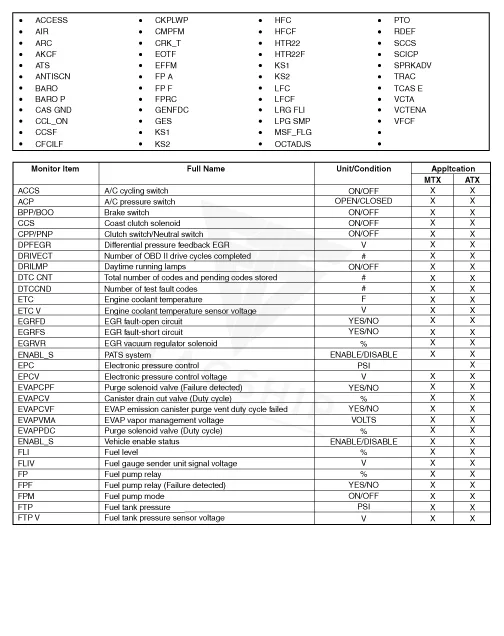
Work with the ignition off, and treat the module as static-sensitive: avoid touching the connector pins at any point.
| Operation | Configuration | Book Time |
|---|---|---|
| Powertrain Control Module R&R | B2300 | 0.5 hr |
| Powertrain Control Module R&R | B3000 | 0.5 hr |
| Powertrain Control Module R&R | B4000 | 0.5 hr |
| Powertrain Control Module Relearn | B2300 | 0.5 hr |
| Powertrain Control Module Relearn | B3000 | 0.5 hr |
| Powertrain Control Module Relearn | B4000 | 0.5 hr |
| Engine Control Module R&R | B2300 | 0.5 hr |
| Engine Control Module R&R | B3000 | 0.5 hr |
After replacing the PCM in your 2007 Mazda B2300, the factory procedure requires a relearn process to ensure proper communication with the engine and transmission. This step, which takes 0.5 hours, resets adaptive values and syncs the module with the vehicle’s immobilizer system. However, a VIN-programmed replacement unit from Flagship One arrives pre-configured, eliminating the need for manual programming. This saves time and reduces the risk of incomplete setup, which could otherwise lead to drivability issues or a no-start condition.
A failing PCM in the 2007 Mazda B2300 may cause a range of symptoms, from intermittent stalling to a complete no-start. Common signs include rough idling, poor acceleration, or the Malfunction Indicator Lamp (MIL) illuminating. In some cases, the vehicle may enter a limp-home mode, limiting engine power. Scan tools may reveal communication errors or specific trouble codes, such as control module performance fault. If the PCM loses connection with sensors, it may also trigger misfire codes or erratic shifting in automatic transmissions.
Factory service bulletins for the 2007 Mazda B2300 highlight several PCM-related issues. Bulletin 01 043/08 addresses a Malfunction Indicator Lamp (MIL) illuminated with code P0128, often tied to a faulty coolant thermostat. Another bulletin, 01 004/07, covers MIL illumination with codes P0462 and P0401 in the 3.0L variant. For the 2.3L engine, bulletin 01 005/07 notes MIL activation with code P0607, which may indicate an internal PCM fault. These bulletins provide guidance for diagnosing and resolving these specific issues.
| Bulletin | Subject | What It Addresses |
|---|---|---|
| — | 01 043/08 2007 2008 B Series (2.3 L) Malfunction Indicator Lamp (MIL) On With DTC P0128 (Coolan | — |
| — | 01 004/07 2007 B Series With 3.0 L MIL Comes On With DTC P04622007 B Series With 3.0 L MIL Come | — |
| — | 01 005/07 2007 B Series With 2.3 L MIL Comes On With DTC P0607 | — |
Common signs include a no-start condition, stalling, or an illuminated check engine light. Scan tools may reveal communication errors or specific trouble codes like P0607. If the vehicle exhibits multiple drivability issues, the PCM may be the root cause.
The labor time for PCM removal and reinstallation in the 2007 Mazda B2300 is 0.5 hours. An additional 0.5 hours is required for the relearn procedure to sync the new module with the vehicle’s systems.
Yes, the factory requires a relearn procedure after replacement. However, a VIN-programmed unit from Flagship One arrives pre-configured, eliminating the need for manual programming and reducing the risk of setup errors.
If your 2007 Mazda B2300 is experiencing PCM-related issues, you have options. A repair may be possible for minor faults, but a replacement is often the most reliable solution. Refurbished or new units can restore full functionality, especially when pre-programmed to your VIN. Given the labor times and potential for additional relearn steps, choosing the right replacement upfront saves time and frustration.
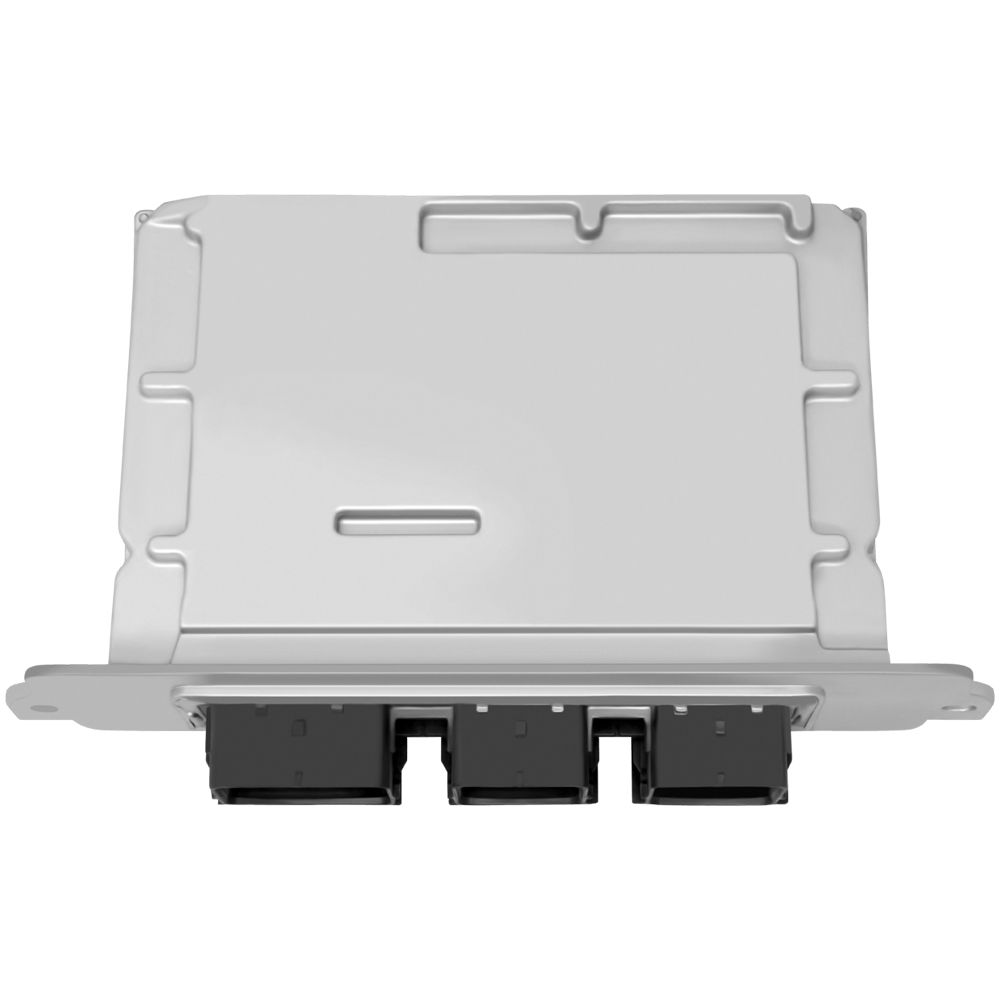
Flagship One stocks a refurbished, VIN-programmed PCM for the 2007 Mazda B2300 with a lifetime warranty, free shipping and no core charge. The full Mazda B2300 module lineup covers other engine configurations as well.
The 2007 Mazda B2300 relies on its PCM for smooth engine and transmission operation. If you’re facing stalling, no-start conditions, or persistent trouble codes, a faulty PCM may be to blame. Understanding the replacement process, labor times, and programming requirements helps you make an informed decision. With the right approach, you can restore your vehicle’s performance and avoid unnecessary downtime.