
Last updated on August 25th, 2026 at 02:04 pm
The Engine Control Module (ECM) in your 2017 Lexus ES350 manages fuel delivery, ignition timing, and emissions systems. Failures may cause drivability issues like stalling, rough idle, or failure to start, often triggered by voltage spikes or internal processor faults.
If your 2017 Lexus ES350 has developed unexplained stalling, a rough idle, or a persistent check engine light, the Engine Control Module (ECM) may be the culprit. This compact computer sits under the hood and governs everything from fuel injection to ignition timing, ensuring smooth operation and compliance with emissions standards. When it fails, symptoms can range from subtle drivability quirks to complete no-start conditions. Replacing the ECM isn’t just about swapping hardware—it requires precise programming to match your vehicle’s VIN and systems. Understanding the process, labor involved, and what to expect can help you make informed decisions about repairs. This guide covers the ECM’s role in your Lexus, common failure signs, and the steps required to restore reliable performance.
The Engine Control Module in your 2017 Lexus ES350 acts as the brain of the engine, continuously adjusting fuel delivery, ignition timing, and emissions controls based on sensor inputs. It ensures optimal performance while meeting strict fuel efficiency and emissions standards. Without a functioning ECM, your vehicle may struggle to start, run erratically, or even enter a fail-safe mode that limits power. This module also communicates with other systems, such as the transmission and stability control, to maintain smooth operation. When replacement becomes necessary, replacement engine computers for the ES350 must be carefully selected to ensure compatibility and proper functionality. The ECM’s role is so critical that even minor faults can trigger warning lights or drivability issues, making timely diagnosis and repair essential.
2017 Lexus ES350
OEM programmed ECM for your 2017 Lexus ES350 — plug & play, no dealer visit.
Free shipping · Lifetime warranty
The ECM in your 2017 Lexus ES350 is located near the engine bay, typically requiring removal of the negative battery cable, cool air intake duct seal, and battery for full access. If you’re only replacing the ECM itself, Lexus notes that removing the battery and intake duct seal may not be necessary, simplifying the process. Once these components are out of the way, the ECM can be accessed by disconnecting its two electrical connectors. Reinstallation follows the reverse order, with labor times estimated at 1.1 hours for removal and replacement. The factory also specifies that after reconnecting the battery, some vehicle systems may need initialization to resume normal operation. Always ensure the connectors are securely fastened and free of corrosion to prevent future issues.
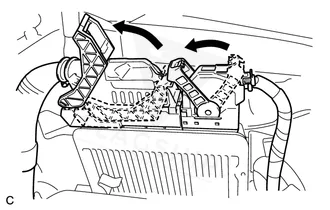
Work with the ignition off, and treat the module as static-sensitive: avoid touching the connector pins at any point.
| Operation | Configuration | Book Time |
|---|---|---|
| Powertrain Control Module Relearn | All configurations | 0.5 hr |
| Powertrain Control Module R&R | All configurations | 1.1 hr |
| Engine Control Module Reset | All configurations | 0.3 hr |
| Engine Control Module R&R | All configurations | 1.1 hr |
| Engine Control Module Relearn | All configurations | 0.5 hr |
After installing a new ECM in your 2017 Lexus ES350, the factory requires a Vehicle Identification Number (VIN) registration procedure to synchronize the module with your vehicle’s systems. This step is critical because the ECM must recognize your specific vehicle’s configuration to function correctly. Additionally, some systems may need initialization after the battery is reconnected, which can add time to the repair process. However, when you opt for a VIN-programmed replacement unit, these steps are already completed before the module arrives. This eliminates the need for on-site programming and reduces the risk of errors during installation. Always confirm that the replacement ECM is matched to your vehicle’s VIN to avoid compatibility issues or drivability problems.
When the ECM in your 2017 Lexus ES350 begins to fail, symptoms can vary but often include intermittent stalling, rough idle, or a complete no-start condition. You may also notice the check engine light illuminating, sometimes accompanied by an internal processor fault. Other signs can include poor acceleration, erratic shifting if the transmission is affected, or even a failure to communicate with a scan tool during diagnostics. In some cases, the vehicle may enter a limp-home mode, limiting power to prevent further damage. These symptoms can mimic other issues, such as fuel pump failures or sensor malfunctions, so proper diagnosis is key. If the ECM is the root cause, addressing it promptly can prevent further drivability issues or potential damage to other components.
The 2017 Lexus ES350’s ECM may store specific trouble codes when internal faults occur. These codes help pinpoint the issue during diagnostics, guiding repairs to ensure accurate and efficient fixes.
| Code | Meaning | Full Guide |
|---|---|---|
| P0606 | Module processor failure | Full P0606 guide → |
Common signs include stalling, rough idle, a no-start condition, or the check engine light illuminating with codes like P0606. You may also experience poor acceleration or communication errors with a scan tool. A professional diagnostic test can confirm whether the ECM is the issue.
Replacing the ECM typically requires 1.1 hours of labor, plus additional time for relearn procedures. If only the ECM is being removed, some components like the battery and intake duct seal may not need to be taken out, simplifying the process.
Yes, the factory requires VIN registration after ECM replacement to ensure the module syncs with your vehicle’s systems. Some systems may also need initialization after the battery is reconnected. Using a pre-programmed unit can eliminate these steps.
Yes, the ECM communicates with the transmission control module, and faults in the ECM can lead to erratic shifting or even a limp-home mode. If you notice shifting issues alongside engine-related symptoms, the ECM may be the root cause.
Driving with a failing ECM can be risky, as it may lead to sudden stalling, loss of power, or even a no-start condition. If you suspect ECM issues, it’s best to have the vehicle diagnosed and repaired promptly to avoid being stranded.
If your 2017 Lexus ES350 is experiencing ECM-related issues, you have options for repair or replacement. While a dealership may offer a new OEM module, aftermarket solutions like a refurbished or remanufactured ECM can provide reliable performance at a lower cost. Opting for a VIN-programmed unit ensures compatibility and eliminates the need for on-site programming, streamlining the installation process. Consider your budget, timeline, and the severity of the issue when deciding the best path forward.
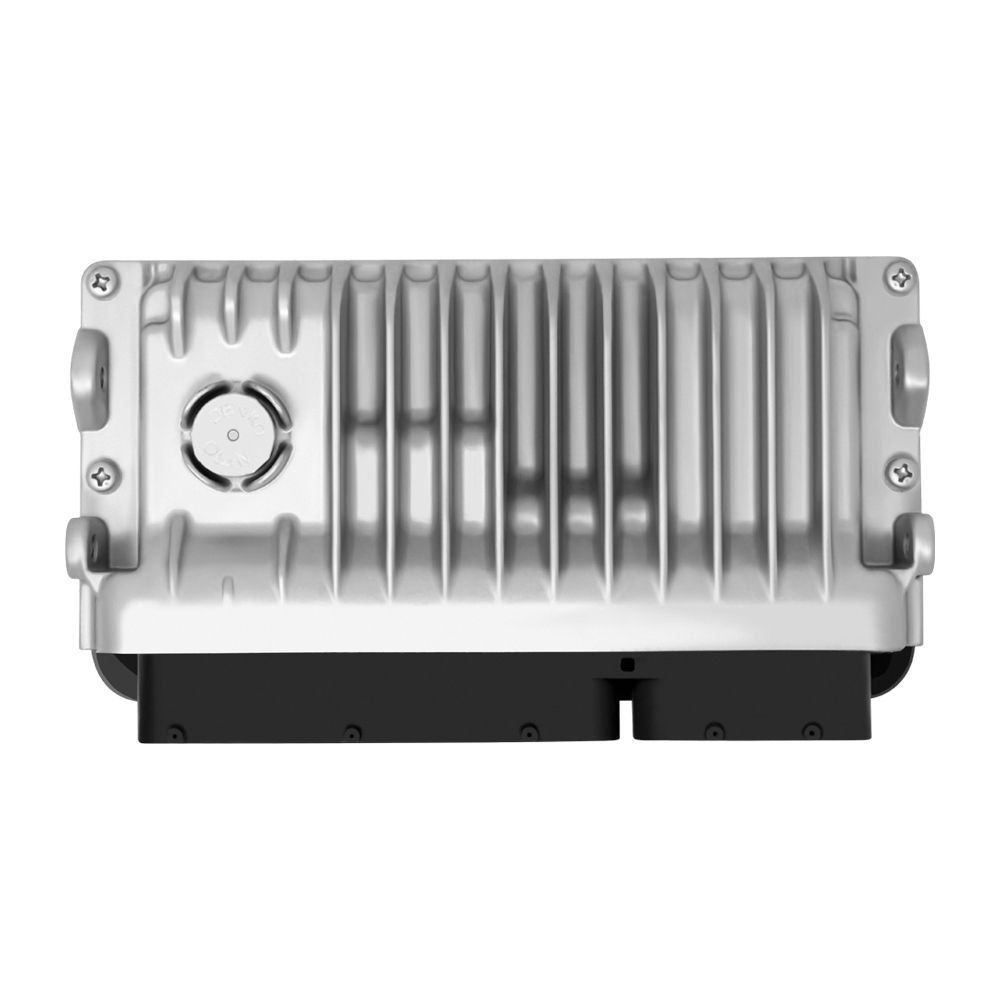
Flagship One stocks a refurbished, VIN-programmed PCM for the 2017 Lexus ES350 with a lifetime warranty, free shipping and no core charge. The full Lexus ES350 module lineup covers other engine configurations as well.
The Engine Control Module plays a vital role in keeping your 2017 Lexus ES350 running smoothly. Whether you’re dealing with stalling, a no-start condition, or stored trouble codes, understanding the ECM’s function and replacement process can help you make informed decisions. Addressing ECM issues promptly ensures your vehicle remains reliable and performs as expected. If replacement is necessary, choosing a pre-programmed unit can simplify the process and get you back on the road faster.