
Last updated on August 25th, 2026 at 02:05 pm
The powertrain control module and engine control module on your 2015 Lexus IS250C are the central computers managing engine operation, fuel delivery, emissions, and transmission shifting. When these modules fail, the vehicle may not start, run poorly, or set diagnostic codes.
If your 2015 Lexus IS250C won’t start, stalls unexpectedly, or has transmission shifting problems, the powertrain control module or engine control module may be the culprit. These are the primary computing units that manage your vehicle’s engine and drivetrain functions. This guide explains what these modules do, common failure symptoms, the replacement process, and what programming is required after installation. Whether you’re diagnosing a no-start condition or planning a repair, understanding the role of these critical control units helps you make informed decisions about service options.
The engine control module in your 2015 Lexus IS250C serves as the central computer that manages fuel injection timing, air-fuel mixture, emissions control systems, and idle speed. It receives input from dozens of sensors throughout the engine bay and uses this data to optimize performance, fuel economy, and emissions. The powertrain control module handles transmission shifting logic and works in concert with the ECM to coordinate powertrain operation. When either module develops an internal fault, the vehicle may enter limp mode, refuse to start, or display warning lights. For owners facing replacement needs, replacement engine computers for the Lexus IS250C are available as alternative options to dealer parts.
2015 Lexus IS250C
OEM programmed ECM for your 2015 Lexus IS250C — plug & play, no dealer visit.
Free shipping · Lifetime warranty
The PCM and ECM on your 2015 Lexus IS250C are accessed by disconnecting the cable from the negative battery terminal. This access path is straightforward but requires following the factory caution to wait at least 60 seconds after turning the engine switch off before disconnecting the battery cable. The module itself is typically located in the engine compartment or behind interior panels, depending on the specific configuration. Book time for powertrain control module removal and replacement is 0.7 hours, with an additional 0.5 hours for relearn procedures. For the engine control module, removal and replacement requires 0.7 hours plus 0.5 hours for relearn. After replacement, the vehicle’s systems must recognize the new module and recalibrate to the installed unit.
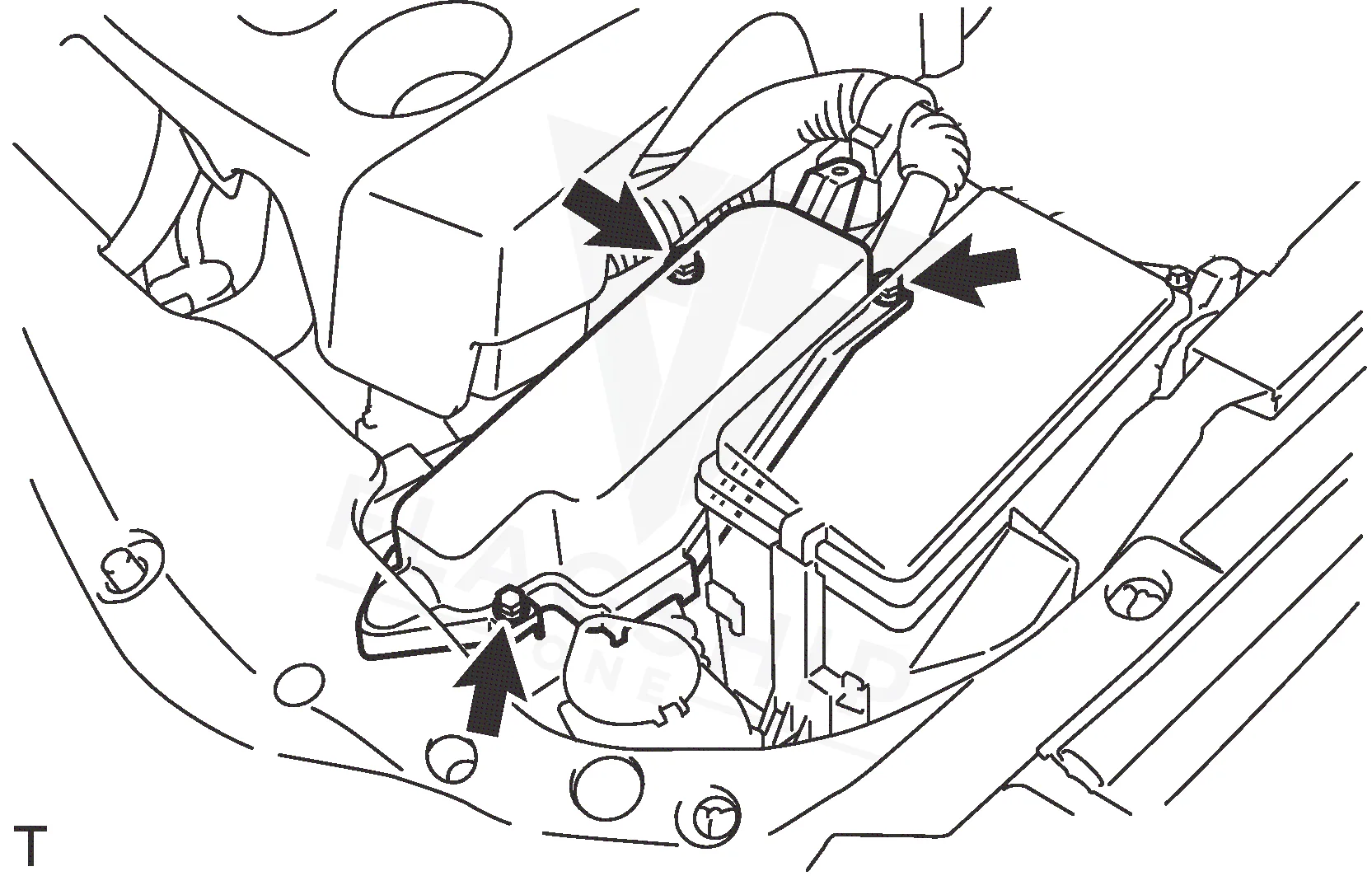
Work with the ignition off, and treat the module as static-sensitive: avoid touching the connector pins at any point.
| Operation | Configuration | Book Time |
|---|---|---|
| Powertrain Control Module Relearn | All configurations | 0.5 hr |
| Powertrain Control Module R&R | All configurations | 0.7 hr |
| Engine Control Module Reset | All configurations | 0.3 hr |
| Engine Control Module R&R | All configurations | 0.7 hr |
| Engine Control Module Relearn | All configurations | 0.5 hr |
After replacing the module on your 2015 Lexus IS250C, the factory procedure requires a reset followed by a relearn process to allow the new module to establish communication with vehicle sensors and the transmission control system. The reset procedure takes 0.3 hours and the relearn procedure takes 0.5 hours. This ensures the module learns idle settings, fuel trim values, and transmission adaptions specific to your vehicle. Flagship One units arrive VIN-programmed so those steps are already done, meaning the module is pre-configured with your vehicle’s identification before installation.
Every VIN-programmed replacement unit from Flagship One arrives with these steps already completed.
When the PCM or ECM fails on a 2015 Lexus IS250C, common symptoms include a no-start condition where the engine cranks but won’t run, stalling after startup, rough idle, and hesitation under acceleration. The vehicle may also display transmission shifting problems such as harsh shifts, delayed engagement, or refusal to shift into gear. Diagnostic scan tools may be unable to communicate with the module, or fault codes may appear including processor fault that indicates an internal module failure. In some cases, the check engine light illuminates and the vehicle enters limp mode to prevent damage.
The module-internal trouble code documented for this vehicle is P0606, which indicates a processor fault within the control module itself. This code is not a sensor or wiring issue but points to an internal electronic failure of the PCM or ECM.
| Code | Meaning | Full Guide |
|---|---|---|
| P0606 | Module processor failure | Full P0606 guide → |
Symptoms include no-start conditions, engine stalling, rough idle, transmission shifting issues, and check engine light illumination. A scan tool may show communication faults or set module-internal codes like P0606.
Replacement is mechanically straightforward — access is through the negative battery cable. However, programming and relearn procedures are required after installation, which may need dealer-level scan tools or a programmed replacement unit.
The ECM manages engine functions like fuel delivery and emissions, while the PCM handles transmission shifting and coordinates powertrain operation. They work together and may be integrated in some configurations.
When your 2015 Lexus IS250C requires a new control module, you have two primary options: a genuine dealer part with subsequent programming, or a quality refurbished replacement unit. Refurbished units from Flagship One arrive VIN-programmed to your vehicle, eliminating the dealer programming step and reducing overall repair time. Consider your budget, timeline, and whether you have access to programming equipment when choosing your path forward.
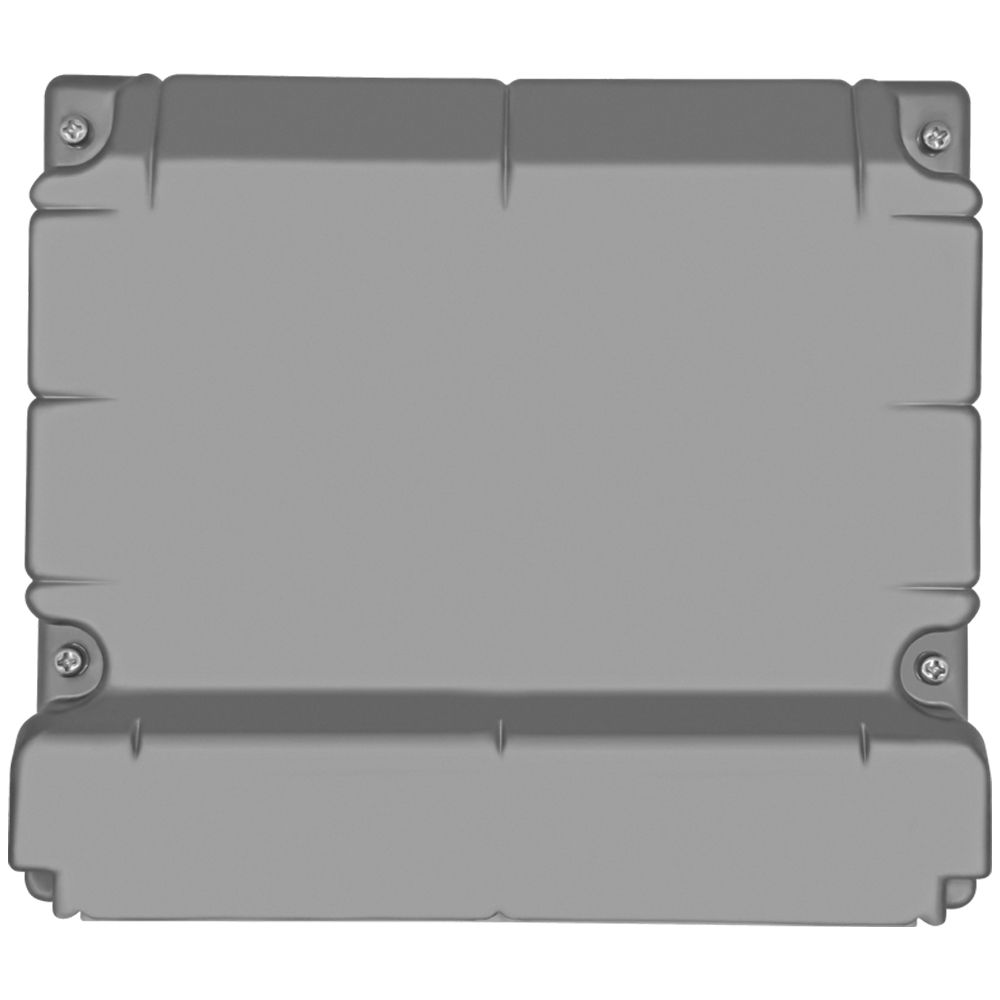
Flagship One stocks a refurbished, VIN-programmed PCM for the 2015 Lexus IS250C with a lifetime warranty, free shipping and no core charge. The full Lexus IS250C module lineup covers other engine configurations as well.
The PCM and ECM are essential computing modules that keep your 2015 Lexus IS250C running properly. When failure occurs, prompt diagnosis and replacement restore reliable operation. Whether you choose dealer parts or a programmed replacement unit, understanding the process helps ensure a successful repair and get you back on the road with confidence.