
Last updated on August 25th, 2026 at 01:07 pm
The engine control module (ECM) in your 1998 Lexus LX470 manages fuel delivery, ignition timing, and emissions systems. Failures may cause erratic engine behavior, poor performance, or complete no-start conditions due to corrupted memory or electrical faults.
If your 1998 Lexus LX470 has been acting up—stalling unexpectedly, refusing to start, or throwing mysterious engine codes—your engine computer might be the culprit. This small but critical module acts as the brain of your vehicle’s powertrain, managing everything from fuel injection to ignition timing. When it fails, the symptoms can range from subtle performance issues to complete immobilization. Replacing it isn’t just about swapping parts; it involves precise steps to ensure your vehicle runs smoothly afterward. Understanding what the ECM does, where it’s located, and what to expect during replacement can save you time and frustration. Whether you’re diagnosing a problem or preparing for a repair, knowing these details helps you make informed decisions about your LX470’s health.
The engine control module (ECM) in your 1998 Lexus LX470 is a specialized replacement engine computers for the LX470 that oversees nearly every aspect of engine performance. It constantly monitors sensors for data like air intake, throttle position, and exhaust oxygen levels, then adjusts fuel delivery and ignition timing in real time. This ensures optimal power, efficiency, and emissions compliance. Without a functioning ECM, your vehicle may struggle to start, run roughly, or even enter a fail-safe mode that limits performance. The module also stores diagnostic trouble codes when something goes wrong, which mechanics use to pinpoint issues. Given its role, a failing ECM can mimic other problems, making proper diagnosis essential. If replacement becomes necessary, using a unit pre-programmed to your VIN can simplify the process significantly.
1998 Lexus LX470
OEM programmed ECM for your 1998 Lexus LX470 — plug & play, no dealer visit.
Free shipping · Lifetime warranty
In the 1998 Lexus LX470, the engine control module is typically mounted in the engine bay for easy access. Replacing it involves disconnecting the battery, removing the module’s electrical connectors, and unbolting the unit from its bracket. The labor time for removal and reinstallation is usually around 0.5 hours, according to factory estimates. Once the old module is out, the new one is secured in place, and connectors are reattached. It’s important to ensure all connections are clean and tight to prevent future electrical issues. While the physical replacement is straightforward, the process doesn’t end there—your vehicle will likely require a relearn procedure to synchronize the new module with its systems.
| Operation | Configuration | Book Time |
|---|---|---|
| Powertrain Control Module Relearn | All configurations | 0.5 hr |
| Powertrain Control Module R&R | All configurations | 0.5 hr |
| Engine Control Module R&R | All configurations | 0.5 hr |
| Engine Control Module Relearn | All configurations | 0.5 hr |
After installing a new engine control module in your 1998 Lexus LX470, the factory procedure typically requires a relearn process to ensure the module communicates correctly with the vehicle’s sensors and systems. This step, which may take around 0.5 hours, involves resetting the module’s memory and allowing it to adapt to your specific engine. However, if you opt for a VIN-programmed replacement unit, this step is already completed before the part arrives. The module comes pre-configured with your vehicle’s data, eliminating the need for additional programming or dealer visits. This not only saves time but also reduces the risk of errors during the relearn process, ensuring your LX470 runs as intended from the moment the new module is installed.
A failing engine control module in your 1998 Lexus LX470 can manifest in several ways, often mimicking other mechanical or electrical issues. One of the most common signs is a no-start condition, where the engine cranks but refuses to fire up. You may also experience intermittent stalling, especially at idle or during low-speed driving, as the module struggles to maintain proper fuel and ignition timing. Misfires are another frequent symptom, often accompanied by rough running or a noticeable loss of power. If the module’s memory becomes corrupted, you might see a checksum error in the ECM or other internal fault codes when scanning the vehicle. In some cases, the check engine light may illuminate, or the vehicle may enter a fail-safe mode, limiting engine performance to prevent further damage. Communication issues with scan tools can also occur, making diagnosis more challenging. Since these symptoms can overlap with other problems, it’s important to rule out simpler issues like faulty sensors or wiring before concluding the ECM is at fault.
Lexus issued a service bulletin (#TC002-03) covering the ECM Reset Memory Function for 1998-2005 models, including your LX470. This bulletin outlines procedures for resetting the module’s memory when certain drivability issues arise, such as rough idling or hesitation. The reset process is designed to clear temporary faults and restore normal operation without requiring a full module replacement. If your vehicle exhibits symptoms that align with those described in the bulletin, performing this reset may resolve the issue. However, if the problem persists, further diagnosis or module replacement may be necessary.
| Bulletin | Subject | What It Addresses |
|---|---|---|
| TC002-03 | :TC002-03: ECM Reset Memory Function: 98-05 Applicable Models (Revised) | — |
Common signs include a no-start condition, intermittent stalling, rough idling, or misfire codes. If your vehicle struggles to communicate with a scan tool or enters fail-safe mode, the ECM may be at fault. Always rule out simpler issues like faulty sensors or wiring first.
Replacing the ECM is physically straightforward, as it’s typically located in the engine bay. However, the module often requires a relearn procedure afterward to function correctly. If you’re not comfortable with this step, it’s best to have a professional handle the installation.
In your 1998 LX470, the ECM (engine control module) specifically manages engine functions like fuel delivery and ignition timing. A PCM (powertrain control module) typically combines engine and transmission control into one unit, but your vehicle uses separate modules for these systems.
The relearn procedure allows the new module to synchronize with your vehicle’s sensors and systems. Without it, the ECM may not adjust fuel delivery or ignition timing correctly, leading to poor performance or drivability issues. This step ensures the module adapts to your specific engine’s characteristics.
A used ECM may physically fit, but it won’t be programmed to your vehicle’s VIN or specific engine data. This can lead to compatibility issues, poor performance, or even a no-start condition. A VIN-programmed replacement unit is the most reliable option.
If your 1998 Lexus LX470 is showing signs of ECM failure, you have a few options. A repair may be possible if the issue is minor, such as a corrupted memory that can be reset. However, if the module is damaged beyond repair, replacement is often the most practical solution. Opting for a pre-programmed unit can save you time and hassle, as it eliminates the need for additional programming or dealer visits. Whether you choose to tackle the job yourself or leave it to a professional, understanding the process helps you make the best decision for your vehicle.
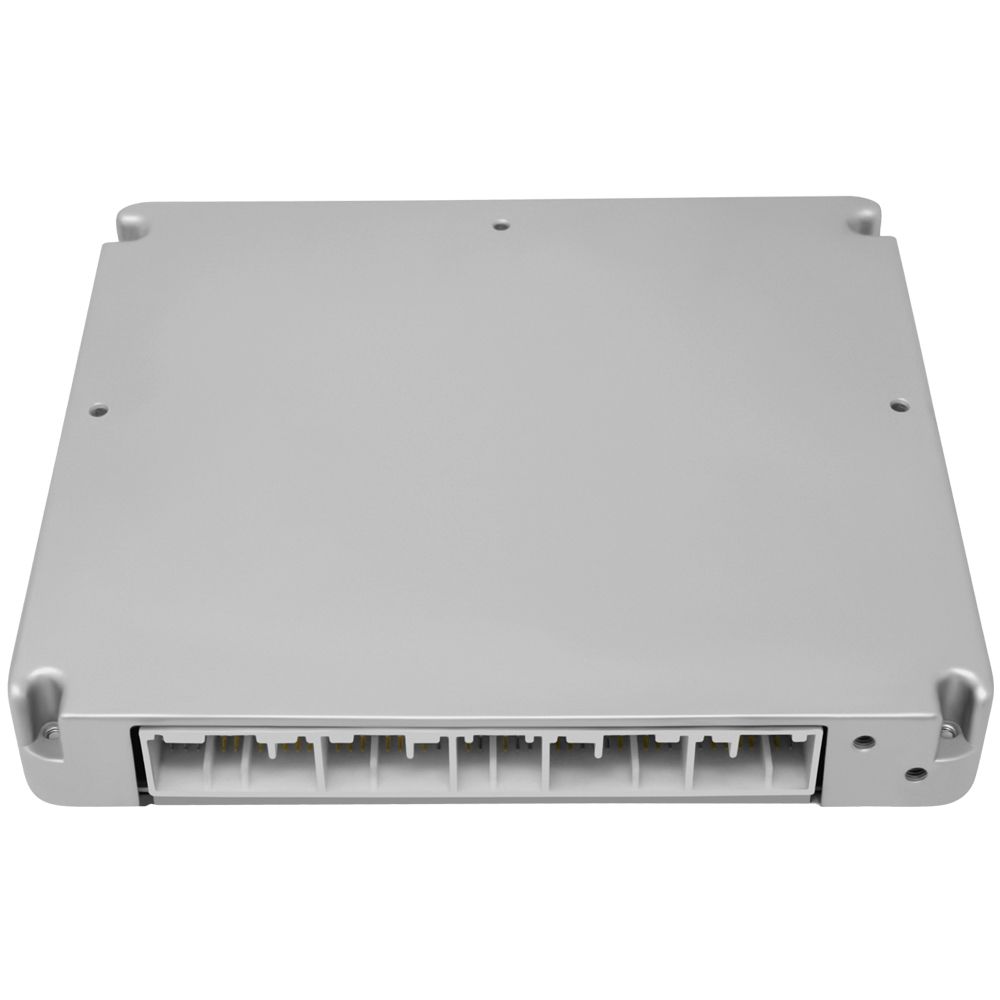
Flagship One stocks a refurbished, VIN-programmed PCM for the 1998 Lexus LX470 with a lifetime warranty, free shipping and no core charge. The full Lexus LX470 module lineup covers other engine configurations as well.
The engine control module in your 1998 Lexus LX470 plays a vital role in keeping your vehicle running smoothly. If you’re experiencing symptoms like stalling, misfires, or a no-start condition, the ECM could be the culprit. Replacing it involves more than just swapping parts—it requires careful installation and often a relearn procedure to ensure everything works as intended. By choosing a pre-programmed unit, you can simplify the process and get back on the road faster. Whether you’re diagnosing an issue or preparing for a repair, understanding your LX470’s ECM helps you make informed decisions about your vehicle’s health.