
Last updated on August 25th, 2026 at 02:23 pm
The Engine Control Module (ECM) in the 2013 Chevrolet Orlando is the primary computer that manages fuel injection, ignition timing, and emissions. When it fails, the engine may not start, run poorly, or trigger warning lights. Internal faults like P0601 indicate a corrupted memory or processor issue.
If you own a 2013 Chevrolet Orlando with the 2.4L engine, you may eventually face an ECM-related problem. The Engine Control Module (ECM) is the brain that manages fuel delivery, spark timing, and emissions controls. When it starts to fail, symptoms can be frustrating: the engine may crank but not start, stall unexpectedly, or illuminate the check engine light with codes that point to internal module faults. This article explains what the ECM does in your Orlando, how to recognize failure signs, and what the factory requires for replacement. You will also learn about a common service bulletin for connector corrosion and how a VIN-programmed replacement unit can save time and money. The goal is to give you the knowledge to diagnose and address ECM issues confidently, whether you plan to repair the original module or install a refurbished unit.
The Engine Control Module (ECM) in the 2013 Chevrolet Orlando is a dedicated computer that interprets sensor data and adjusts engine operation in real time. It controls the fuel injectors, ignition coils, throttle actuator, and variable valve timing. Because the Orlando uses a 2.4L four-cylinder engine, the ECM must precisely manage air-fuel ratios and spark advance to meet emissions standards and deliver smooth performance. When the ECM malfunctions, the entire engine system can become erratic. Common internal faults include corrupted memory (P0601, P0602, P0603, P0604, P0605, P0606) or internal control module performance issues (P060A, P062F, P1621). These codes indicate that the module itself has a problem, not a sensor or wiring issue. Replacing the ECM is often the only fix, and you will need a unit that matches your vehicle’s specific calibration. That is why many owners turn to replacement ECMs for the Chevrolet Orlando that come pre-programmed with the correct software, avoiding the need for a dealer visit.
2013 Chevrolet Orlando
OEM programmed ECM for your 2013 Chevrolet Orlando — plug & play, no dealer visit.
Free shipping · Lifetime warranty
The ECM in the 2013 Chevrolet Orlando is typically mounted in the engine compartment, often near the battery or air intake housing. To replace it, you must first disconnect the negative battery cable to prevent any electrical shorts. Then, unbolt the ECM from its bracket and carefully disconnect the wiring harness plugs. The factory cautions against touching the connector pins to avoid electrostatic discharge damage. If you encounter fretting corrosion on the terminals—a common issue per TSB #09-06-03-004E—you should clean the pins and apply dielectric lubricant before reconnecting. No specific labor time is provided in the available documentation, but the job is straightforward for a DIYer with basic tools. After installation, the new ECM must be programmed with the correct calibration, which requires the EL-49642 SPS programming support tool and access to factory software.
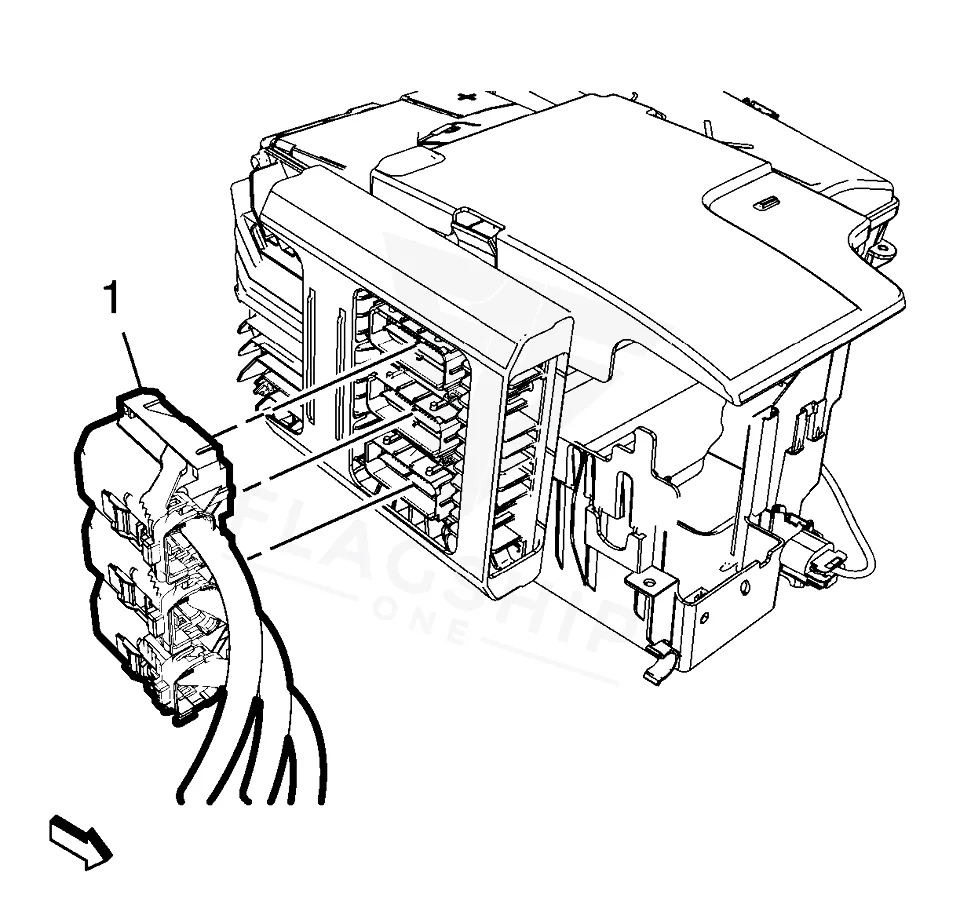
Work with the ignition off, and treat the module as static-sensitive: avoid touching the connector pins at any point.
After installing a replacement ECM in the 2013 Chevrolet Orlando, the factory procedure requires reprogramming the module with the correct program and calibration for your vehicle. This step demands special equipment—specifically the EL-49642 SPS programming support tool—and access to the latest calibration files. Without this, the ECM will not communicate properly with the rest of the vehicle systems, and the engine may not start or run correctly. However, if you choose a VIN-programmed replacement unit from Flagship One, the module arrives already loaded with the correct software for your Orlando. That means you can install it, reconnect the battery, and start the engine without any additional programming steps. This saves you the cost and hassle of a dealer visit or purchasing the factory programming tool.
When the ECM in your 2013 Chevrolet Orlando begins to fail, you may notice a range of symptoms. The most common is an intermittent no-crank or no-start condition, where the engine may not respond to the key or may stall shortly after starting. The malfunction indicator lamp (MIL) or other warning lights may illuminate intermittently, and you might see service messages on the driver information center. The technician may find it difficult to duplicate the problem because the fault can be sporadic. Other signs include rough idling, poor acceleration, or a sudden loss of power. If the ECM has an internal fault, you will likely see a trouble code like internal control module fault stored in memory. This code indicates a checksum error in the module’s memory, which often requires ECM replacement. Additionally, you may experience no communication with the ECM during a scan tool diagnosis, pointing to a dead module or a wiring issue.
The following trouble codes are documented as module-internal faults for the 2013 Chevrolet Orlando 2.4L. These codes indicate problems within the ECM itself rather than external sensors or circuits. They often require ECM replacement or reprogramming.
General Motors issued Technical Service Bulletin #09-06-03-004E (dated November 28, 2011) for the 2013 Chevrolet Orlando and other models. This bulletin addresses intermittent no-crank/no-start conditions, no module communication, MIL illumination, warning lights, and various DTCs set by control modules. The root cause is fretting corrosion at the connector terminals. The repair involves disconnecting the affected connector, cleaning the pins, and applying dielectric lubricant before reconnecting. The bulletin notes that the technician may be unable to duplicate the intermittent condition, so careful inspection of connectors is advised. This TSB is relevant when diagnosing ECM-related issues, as corrosion can mimic internal module failure.
| Bulletin | Subject | What It Addresses |
|---|---|---|
| 09-06-03-004 | Intermittent No Crank/No Start, No Module Communication, MIL, Warning Lights, Vehicle Messages | Some customers may comment on any of the following conditions: An intermittent no crank/no start Intermittent malfunction indicator lamp (MIL) illumination… |
P0601 indicates an internal control module memory checksum error. This means the ECM’s internal memory has a fault, often due to a corrupted program or hardware failure. It typically requires ECM replacement or reprogramming.
P0602 is a control module programming error. The vehicle may run poorly or not start at all. It is not safe to drive because the ECM may not control the engine correctly. Have the ECM reprogrammed or replaced immediately.
Fretting corrosion appears as a gray or black powdery deposit on the connector pins. It can cause intermittent no-start, warning lights, or communication loss. Inspect the ECM harness connectors; if you see corrosion, clean the pins and apply dielectric lubricant per TSB #09-06-03-004E.
Yes, according to the factory procedure, reprogramming an existing or new ECM requires the EL-49642 SPS programming support tool and the correct calibration files. Without it, the ECM will not function properly. However, a pre-programmed unit from Flagship One eliminates this step.
Multiple internal codes like P0601, P0603, and P0606 suggest a failing ECM. The module likely has a hardware fault. Replacement is the most reliable fix. Ensure the replacement unit is programmed for your vehicle’s VIN to avoid compatibility issues.
When your 2013 Chevrolet Orlando’s ECM fails, you have two main options: attempt a repair or replace the module. Repairing the original ECM is often not cost-effective because internal faults are usually permanent. A refurbished replacement ECM from Flagship One arrives pre-programmed with the correct calibration for your Orlando, so you can install it yourself without a trip to the dealer. This approach saves time and money while restoring reliable engine operation.
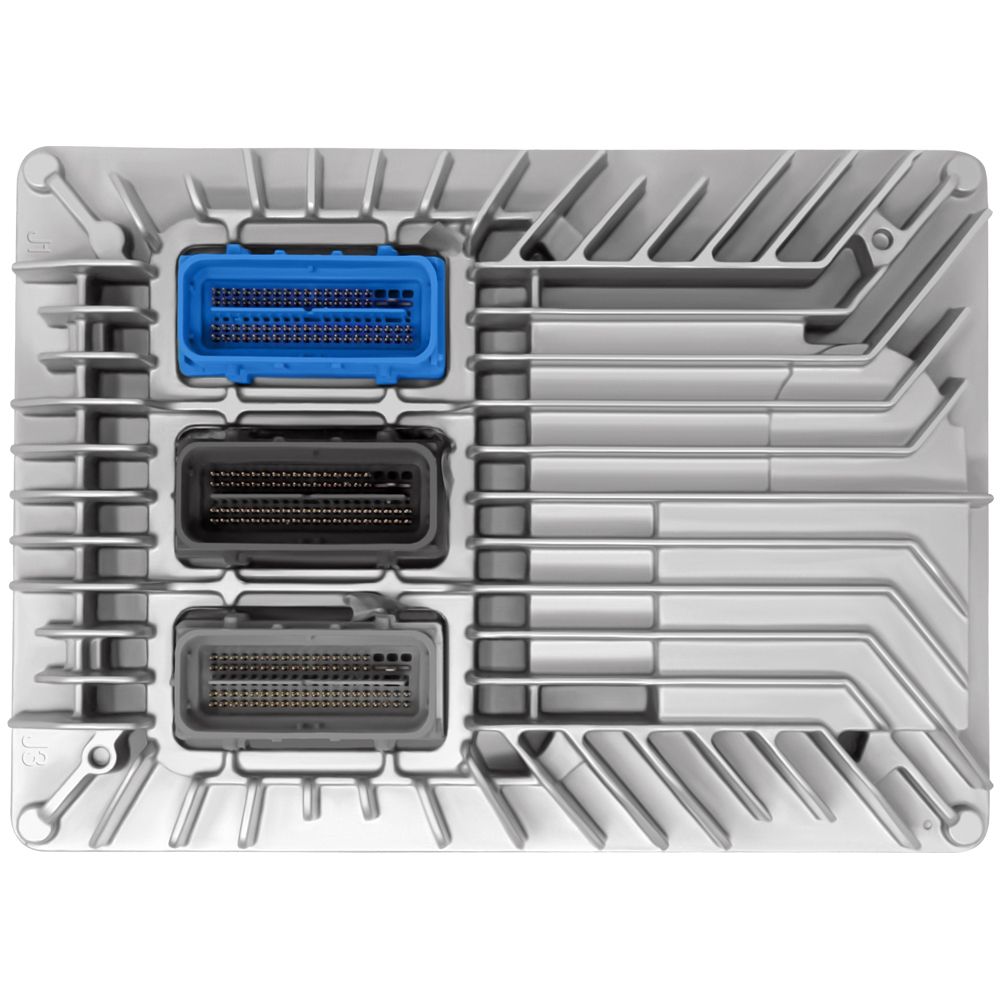
Flagship One stocks a refurbished, VIN-programmed ECM for the 2013 Chevrolet Orlando with a lifetime warranty, free shipping and no core charge. The full Chevrolet Orlando module lineup covers other engine configurations as well.
The ECM in your 2013 Chevrolet Orlando 2.4L is a critical component that requires proper handling and programming. Recognizing symptoms like intermittent no-start or internal trouble codes can help you diagnose problems early. Whether you choose to repair or replace, understanding the factory procedures and available solutions ensures a successful outcome. Flagship One offers VIN-programmed units that simplify the replacement process for your Orlando.