
Last updated on August 25th, 2026 at 02:23 pm
The Engine Control Module (ECM) in the 2012 Chevrolet Orlando is the primary computer managing the 2.4L engine’s fuel injection, ignition timing, and emissions systems. Internal processor or memory failures can cause complete driveability loss.
If your 2012 Chevrolet Orlando is experiencing starting problems, stalling, or illuminated warning lights, the Engine Control Module may be the culprit. The ECM serves as the brain of your vehicle’s powertrain, continuously monitoring and adjusting engine operations to maintain performance and efficiency. Understanding how this module works, what happens when it fails, and what your repair options are can save you time, money, and frustration. This guide covers everything you need to know about ECM replacement for the 2012 Chevrolet Orlando equipped with the 2.4L four-cylinder engine, from diagnosis to installation and programming considerations.
The Engine Control Module in your 2012 Chevrolet Orlando is a sophisticated on-board computer that manages virtually every aspect of the 2.4L engine’s operation. This module receives input from dozens of sensors throughout the engine compartment, including the mass airflow sensor, coolant temperature sensor, oxygen sensors, and throttle position sensor. Using this data, the ECM calculates the optimal fuel injector pulse width, ignition timing advance, and idle air control valve position to deliver smooth power delivery while meeting emissions standards. The module also controls the automatic transmission shift points through its integration with the vehicle’s electronic systems, making its role comprehensive rather than limited to engine management alone. When the ECM functions properly, your Orlando delivers the fuel economy, power delivery, and reliability you expect from a modern vehicle. However, when internal circuitry fails—whether from voltage spikes, thermal cycling, moisture intrusion, or simple component aging—the entire powertrain can be affected. Replacement engine computers for the Orlando are available from specialty suppliers who pre-program the units with your specific vehicle identification number and calibration data, ensuring plug-and-play functionality upon installation.
Flagship One keeps Chevrolet Orlando replacement engine computers in stock for exactly this failure pattern.
2012 Chevrolet Orlando
OEM programmed ECM for your 2012 Chevrolet Orlando — plug & play, no dealer visit.
Free shipping · Lifetime warranty
The Engine Control Module on the 2012 Chevrolet Orlando is located in the engine compartment on the driver’s side, mounted to the front of the engine near the firewall. Access typically requires removing the windshield washer fluid reservoir and associated hoses to reach the unit. The replacement procedure begins with disconnecting the negative battery terminal—a critical first step to prevent electrostatic discharge damage to the new module and protect vehicle electronics. Technicians must then carefully unplug the wiring harness connectors without touching the pins themselves, as specified in the factory service procedure. The old module is unbolted and removed, then the new unit is positioned and secured with factory torque specifications. All connectors must be fully seated and the battery reconnected before testing. While the factory manual provides specific hour allocations for this procedure, the actual time varies based on technician experience and whether additional components require removal for access.
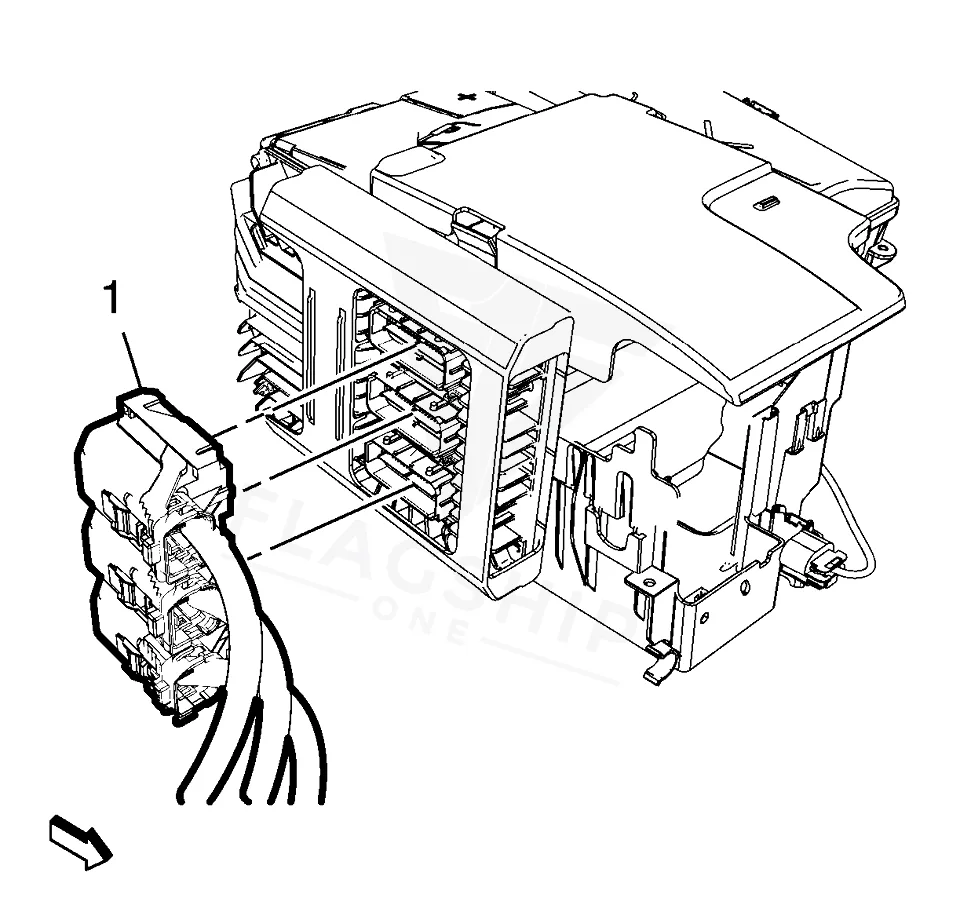
Work with the ignition off, and treat the module as static-sensitive: avoid touching the connector pins at any point.
After installing a replacement ECM in your 2012 Chevrolet Orlando, the factory procedure requires connecting specialized diagnostic equipment to reprogram the module with vehicle-specific calibration data. This process uses the EL-49642 SPS programming support tool along with the correct software program and calibration file for the 2.4L engine application. The reprogramming sequence establishes communication between the diagnostic tool and the new module, downloads the appropriate software, and verifies successful installation. Without this step, the new ECM will not communicate with the vehicle’s sensors and accessories, resulting in a no-start condition. However, when you purchase a VIN-programmed replacement unit from Flagship One, the module arrives pre-configured with your specific vehicle identification number and the correct calibration already installed. This means the programming steps are essentially completed before the unit ever reaches your installer, reducing installation time and eliminating the need for specialized programming equipment at your service facility.
Every VIN-programmed replacement unit from Flagship One arrives with these steps already completed.
When the Engine Control Module begins to fail on your 2012 Chevrolet Orlando, the symptoms often appear suddenly and can range from subtle performance irregularities to complete vehicle disablement. A common early warning sign is an illuminated check engine light accompanied by diagnostic trouble codes that cannot be cleared, even after addressing the apparent condition. The vehicle may experience intermittent stalling, particularly at idle or during low-speed maneuvers, making stop-and-go driving unpredictable. Hard starting or no-start conditions frequently occur when the ECM loses the ability to manage fuel delivery and ignition timing simultaneously. In more severe cases, the scan tool may fail to communicate with the ECM entirely, preventing diagnostic access. Transmission shifting may become erratic or harsh as the module loses the ability to process sensor data correctly. Any combination of these symptoms, especially when paired with module-internal trouble codes like P0601 indicating internal memory read/write error, points toward ECM replacement rather than individual sensor or wiring repairs.
The 2012 Chevrolet Orlando with 2.4L engine documents several module-internal trouble codes that indicate specific types of internal ECM failures. These codes are generated by the module itself rather than by external sensors, making them highly indicative of the need for replacement. The codes range from general memory integrity issues to specific processor and calibration concerns, each signaling that the internal electronics can no longer reliably manage engine functions.
Factory service bulletin #PIP4933D, dated July 11, 2012, addresses a part restriction for the E39 ECM application in certain vehicles including the 2012 Chevrolet Orlando. This bulletin relates to PQC (Part Quality Certification) requirements for replacement engine control modules and affects how aftermarket and service parts are sourced. Technicians and parts ordering systems must comply with the restrictions outlined in this bulletin when procuring replacement ECM units.
| Bulletin | Subject | What It Addresses |
|---|---|---|
| — | PQC Part Restriction – E39 ECM – (Jul 11, 2012) | — |
If diagnostic trouble codes include module-internal codes like P0601, P0602, or P0603, the ECM itself has failed and requires replacement. Codes from external sensors typically indicate those specific components need attention. A no-start condition with no communication from the ECM also strongly suggests internal module failure.
A used ECM from another vehicle will not function without significant reprogramming to match your specific VIN and engine calibration. The factory requires specialized equipment to perform this programming. Purchasing a VIN-programmed replacement ensures the correct calibration is installed before the module arrives.
When installed correctly with proper calibration, a replacement ECM restores full engine management function. Flagship One units arrive pre-programmed with your specific vehicle identification number and the correct 2.4L calibration, typically resulting in identical performance to the original module.
Common causes include voltage spikes from a weak or failing battery, repeated jump-start events, moisture intrusion through degraded connector seals, and general thermal cycling over the vehicle’s service life. The 2.4L engine’s operating temperatures and electrical loads contribute to component aging within the module.
Internal ECM repairs are generally not practical due to the precision required and the risk of recurring failures. Replacement with a professionally programmed unit provides a more reliable long-term solution. The factory service procedure also supports complete module replacement as the standard repair path.
When your 2012 Chevrolet Orlando requires ECM replacement, you have two primary options: a new remanufactured unit or a refurbished replacement. Both approaches involve installing a module that has been processed to meet factory specifications, though the programming requirements differ. A professionally programmed replacement unit eliminates the need for specialized diagnostic equipment at your repair facility, potentially reducing overall service costs. Consider your vehicle’s overall condition and mileage when deciding whether to invest in ECM replacement or explore other options.
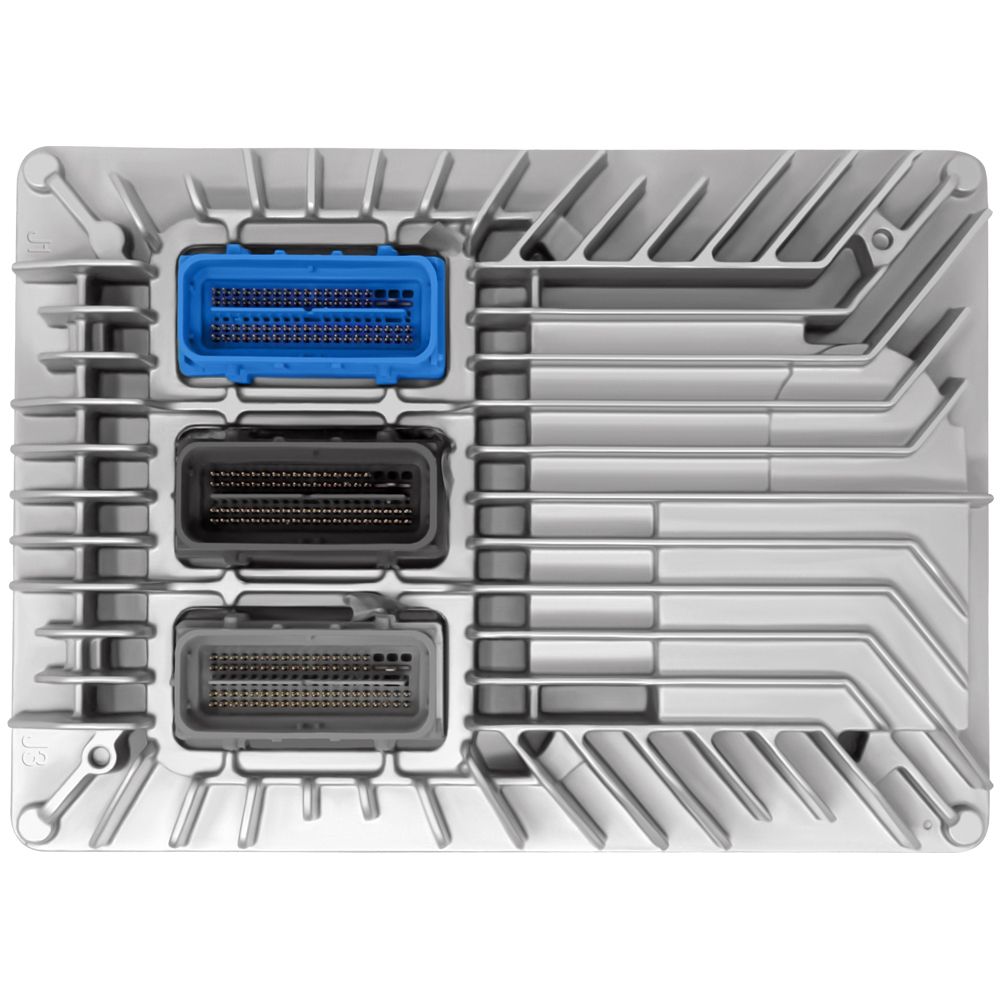
Flagship One stocks a refurbished, VIN-programmed ECM for the 2012 Chevrolet Orlando with a lifetime warranty, free shipping and no core charge. The full Chevrolet Orlando module lineup covers other engine configurations as well.
The Engine Control Module is essential to your 2012 Chevrolet Orlando’s operation, managing the 2.4L engine’s complex functions through integrated sensors and actuators. When internal failures occur, replacement with a VIN-programmed unit restores proper driveability without requiring specialized programming equipment. Whether you choose to service the vehicle yourself or rely on a professional installer, understanding the module’s role and the replacement process helps ensure a successful repair.