
Last updated on August 25th, 2026 at 02:26 pm
The Powertrain Control Module in your 2007 Chevrolet Express manages engine and transmission operations. When internal memory fails, it may cause no-start conditions, stalling, check engine lights, or communication errors with diagnostic tools.
Your 2007 Chevrolet Express with the 4.3L engine depends on its Powertrain Control Module for reliable operation. When this computer fails, symptoms can range from minor drivability concerns to complete no-start conditions. This guide explains the PCM’s role, replacement considerations, and programming requirements specific to your vehicle. Understanding these aspects helps you make informed decisions about repair options and sets proper expectations for the replacement process. Whether you are experiencing failure symptoms or planning preventive maintenance, knowing what the module does and how it is serviced provides valuable context for your repair journey.
The Powertrain Control Module serves as the central computer for your Express’s 4.3L engine, managing fuel injection, ignition timing, and transmission shifting based on data from numerous sensors. This unit processes inputs including mass air flow, crankshaft position, camshaft position, and dozens of other parameters to maintain proper operation under varying conditions. For owners considering replacement engine computers for the Express, understanding that the PCM directly affects drivability becomes important when diagnosing concerns or planning repairs. The module also coordinates with other vehicle control systems to ensure smooth power delivery and compliance with emissions requirements. Because this computer makes constant adjustments based on real-time conditions, internal component failures disrupt the delicate balance the engine relies upon for efficient operation.
The PCM on your 2007 Chevrolet Express 4.3L is located in the engine compartment and requires careful access for service. Factory labor estimates indicate approximately 0.9 hours for removal and installation of the module itself, with an additional 0.5 hours allocated for relearn procedures following installation. The replacement process involves disconnecting electrical harnesses and handling sensitive electronics with appropriate care. You should avoid touching connector pins or soldered components on the circuit board to prevent electrostatic discharge damage. After the new module is installed, the relearn procedure allows your Express to recognize and properly communicate with the replacement unit. Proper torque specifications and connection security are essential for reliable long-term operation.
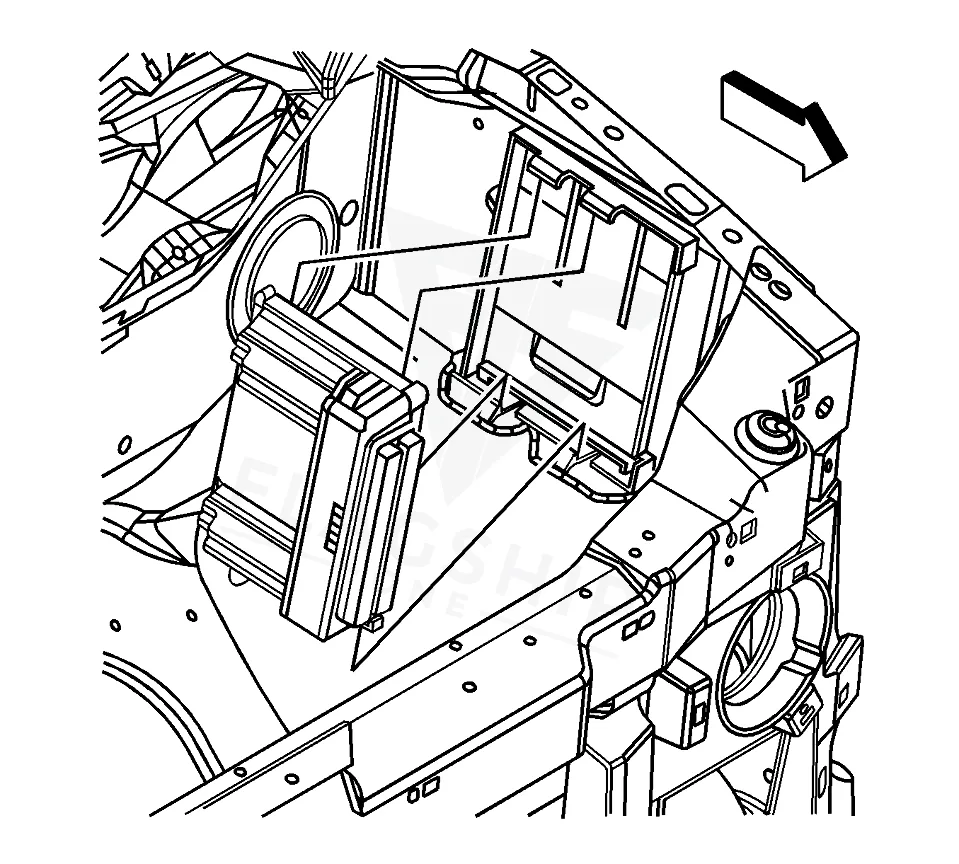
Work with the ignition off, and treat the module as static-sensitive: avoid touching the connector pins at any point.
| Operation | Configuration | Book Time |
|---|---|---|
| Powertrain Control Module R&R | 4.3L | 0.9 hr |
| Powertrain Control Module R&R | GAS | 0.9 hr |
| Powertrain Control Module Relearn | Express 1500 | 0.5 hr |
| Powertrain Control Module Relearn | Express 2500 | 0.5 hr |
| Powertrain Control Module Relearn | Express 3500 | 0.5 hr |
| Engine Control Module R&R | 4.3L | 0.9 hr |
| Engine Control Module R&R | GAS | 0.9 hr |
| Engine Control Module Relearn | Express 1500 | 0.5 hr |
2007 Chevrolet Express
OEM programmed ECM for your 2007 Chevrolet Express — plug & play, no dealer visit.
Free shipping · Lifetime warranty
After replacing the module in your 2007 Chevrolet Express, the factory procedure requires restoring captured data into the new unit using a scan tool. Before removal, you must use diagnostic equipment to capture the existing module data, which is then transferred to the replacement. A a VIN-programmed replacement unit arrives configured for your specific vehicle identification number, which means the initial programming steps are already completed at the supplier level. However, the relearn procedure after installation ensures all vehicle systems recognize and properly communicate with the replacement module. This two-step approach of capturing old data and performing post-installation relearn helps maintain proper operation and learned adaptations specific to your Express.
When the PCM begins failing on your Express, several warning signs may emerge. The check engine light often illuminates with multiple trouble codes stored in memory. Hard starting, rough idle, stalling, or transmission shifting problems frequently accompany module issues. Diagnostic scanners may fail to communicate with the module entirely, complicating diagnosis. Internal memory checksum error indicates the module has detected invalid data within its memory, suggesting internal degradation that may progress over time. Additional symptoms may include poor fuel economy, hesitation under acceleration, or unexpected power loss. Because the PCM manages so many functions, a failing module can produce a wide range of symptoms that sometimes overlap with sensor or wiring problems.
Your 2007 Chevrolet Express may store multiple module-internal trouble codes when the PCM experiences problems. These codes, ranging from P0601 through P1683, indicate various internal faults within the control module’s memory, processor, or output drivers. Unlike sensor-related codes, module-internal codes often suggest the computer itself requires replacement rather than external components. Codes such as P0602, P0603, P062F, P1600, P1621, and others each represent specific internal failures within the module’s architecture.
Service bulletin number 08142A addresses ECM EEPROM programming concerns for certain 2007 and 2008 Chevrolet Express vehicles, though this bulletin specifically applies to models equipped with the 6.6L Duramax Diesel engine. Your 2007 Express with the 4.3L gasoline engine falls outside this bulletin scope. Always verify that any service bulletin applies to your specific powertrain configuration before pursuing service based on factory notices. Checking manufacturer resources for powertrain-specific bulletins helps ensure you are addressing concerns relevant to your vehicle’s engine and control system combination.
| Bulletin | Subject | What It Addresses |
|---|---|---|
| — | Customer Satisfaction – ECM EEPROM – Reprogram ECM – (Oct 23, 2008) | All 2007 and certain 2008 Chevrolet Silverado, Express; GMC Sierra and Savana vehicles, equipped with a 6.6L Duramax Diesel V8 (RPO LMM – VIN 6) engine, were… |
Module-internal codes like P0601 through P0607 often indicate computer failure, while sensor codes typically point to external components. However, proper diagnosis using factory procedures helps distinguish between true module failure and related component issues before replacing the expensive control unit.
Salvage yard modules may work, but they often retain the original vehicle’s VIN and learned data, causing communication conflicts. A virgin or VIN-programmed replacement unit configured specifically for your Express provides the most reliable path to proper operation without carrying over unknown history.
The relearn procedure allows your Express’s various control systems to recognize and establish proper communication with the new module. This process synchronizes the replacement computer with your vehicle’s unique configuration, learned adaptations, and component-specific characteristics accumulated during normal operation.
When your 2007 Chevrolet Express requires PCM replacement, you face a choice between repair and replacement options. Module repair may address some internal faults but carries uncertainty regarding long-term reliability. New or refurbished replacement units configured for your specific Express provide a known starting point but require proper initialization. Understanding the module’s critical role in your vehicle’s operation helps frame the decision appropriately. Consider factors including diagnostic confidence, warranty coverage, and your vehicle’s overall condition when evaluating repair versus replacement approaches for your 4.3L Express.
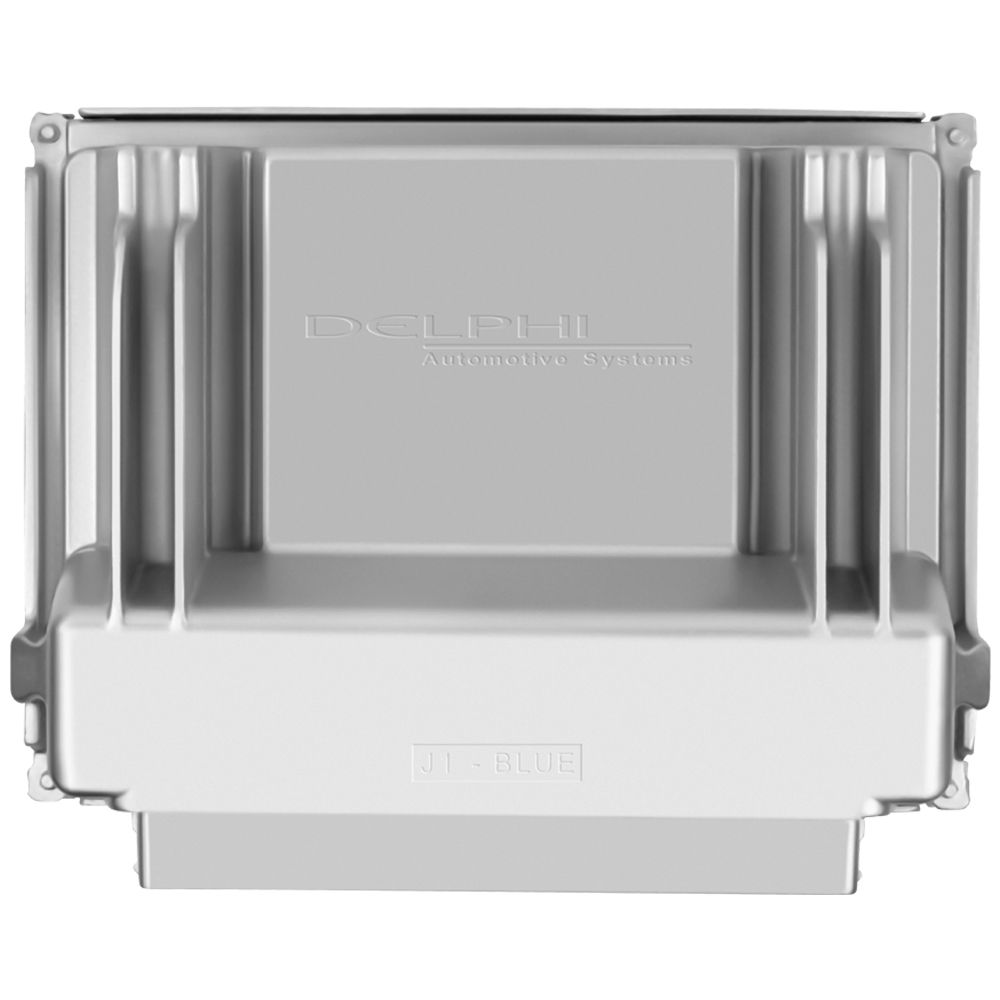
Flagship One stocks a refurbished, VIN-programmed PCM for the 2007 Chevrolet Express with a lifetime warranty, free shipping and no core charge. The full Chevrolet Express module lineup covers other engine configurations as well.
The 2007 Chevrolet Express 4.3L depends on its Powertrain Control Module for proper engine and transmission operation. Recognizing failure symptoms early and understanding replacement requirements helps you make informed repair decisions. Whether pursuing dealer service or aftermarket solutions, knowing what the process involves simplifies planning for your Express needs. A properly functioning PCM ensures your vehicle runs efficiently and reliably for years to come.