
Last updated on August 25th, 2026 at 02:26 pm
The powertrain control module in your 2006 Chevrolet Tahoe manages fuel delivery, ignition timing, and transmission operation. When internal memory or processor faults develop, the module may set diagnostic codes such as P0601 through P0607, leading to drivability problems, no-start conditions, or reduced engine power mode.
When your 2006 Chevrolet Tahoe starts showing symptoms like reduced engine power, illuminated warning lamps, or diagnostic trouble codes pointing to module-internal faults, the powertrain control module may be at the root of the problem. Understanding what this module does, how it fails, and what the replacement process involves helps you make informed decisions about the repair. The Tahoe’s 4.8L engine relies on this computer to coordinate critical functions, and when it malfunctions, the vehicle may not run properly or at all. This guide walks through the module’s role, the factory-recognized replacement procedure, associated service bulletins, and the trouble codes documented for this specific vehicle. Knowing the book labor times and required programming steps gives you a clear picture of what the job entails before you or your technician begin.
The powertrain control module in your 2006 Chevrolet Tahoe serves as the central computer governing engine and transmission operation. It processes inputs from sensors throughout the vehicle and adjusts outputs such as injector pulse width, ignition timing, and transmission shift points in real time. Because the 4.8L Vortec engine depends on precise calibration, a failing PCM can produce symptoms ranging from rough running and stalling to complete no-start situations. Module-internal fault codes like P0601 through P0607 indicate problems within the computer itself rather than with external components, meaning sensor or wiring repairs will not resolve the issue. When the processor or its memory becomes corrupted, the vehicle may enter a reduced power mode or refuse to communicate with a diagnostic scan tool. Choosing a quality Tahoe replacement engine computers ensures the replacement module meets the calibration requirements for your specific powertrain configuration.
The PCM in the 2006 Chevrolet Tahoe is accessed for removal and replacement at a book labor time of 1.4 hours. The factory procedure begins with connecting a scan tool to capture all stored PCM data, which must later be written into the replacement unit. Before touching any connectors, the ignition must be turned off to prevent internal damage to the module. The PCM connector is then disconnected, the module is removed from its mounting, and the replacement is installed in its place. After physical installation, a relearn procedure rated at 0.5 hours is performed so the new module recognizes the vehicle’s immobilizer and operating parameters. An engine control module reset carries a separate 0.3-hour book time if that specific operation is needed.
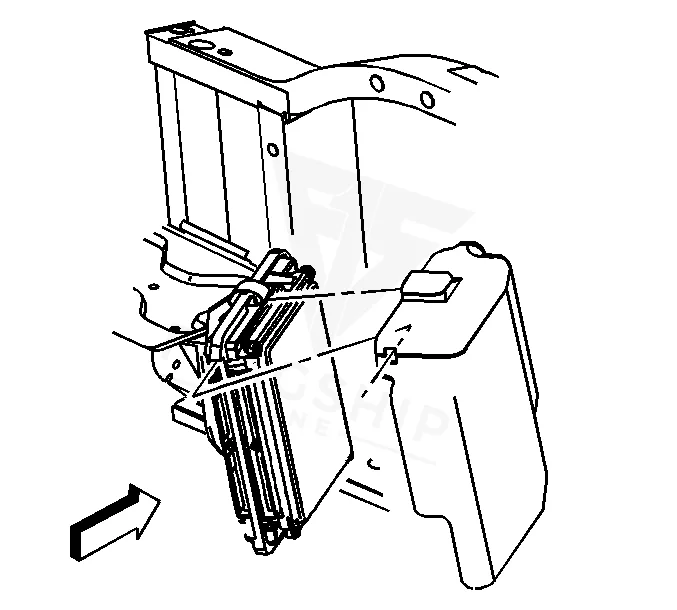
Work with the ignition off, and treat the module as static-sensitive: avoid touching the connector pins at any point.
| Operation | Configuration | Book Time |
|---|---|---|
| Powertrain Control Module R&R | All configurations | 1.4 hr |
| Powertrain Control Module Relearn | All configurations | 0.5 hr |
| Engine Control Module R&R | All configurations | 1.4 hr |
| Engine Control Module Relearn | All configurations | 0.5 hr |
| Engine Control Module Reset | All configurations | 0.3 hr |
2006 Chevrolet Tahoe
OEM programmed ECM for your 2006 Chevrolet Tahoe — plug & play, no dealer visit.
Free shipping · Lifetime warranty
After the replacement module is physically installed in your 2006 Chevrolet Tahoe, the factory procedure requires restoring the previously captured PCM data into the new unit and performing a relearn so the computer syncs with the vehicle’s security and operating systems. These steps demand a capable scan tool and the saved data from the original module. Flagship One eliminates this burden by providing a VIN-programmed replacement unit that already contains the calibration and vehicle-specific data your Tahoe needs, so the post-install programming and relearn steps are already completed before the part ships.
A failing powertrain control module in the 2006 Chevrolet Tahoe may produce a range of drivability symptoms. Owners often report stalling, rough idle, or failure to start. The malfunction indicator lamp typically illuminates, and in some cases the vehicle enters reduced engine power mode, limiting throttle response. Scan-tool communication may become intermittent or fail entirely. Diagnostic trouble codes stored in the PCM itself, such as PCM internal memory checksum fault, point to processor or memory problems rather than external sensor failures. Transmission shifting irregularities can also surface when the module loses proper control over solenoid operation. Because these symptoms overlap with sensor and wiring issues, confirming a module-internal code is an important step before replacing the computer.
The following diagnostic trouble codes are documented as module-internal faults for the 2006 Chevrolet Tahoe. These codes indicate that the problem resides within the PCM or ECM itself rather than in an external sensor, actuator, or wiring circuit. Reviewing this list helps distinguish a computer replacement scenario from a simpler component repair.
Two relevant service bulletins apply to this vehicle. Bulletin #05-06-04-060, dated September 23, 2005, addresses diagnostic trouble codes P0601, P0602, P0603, P0604, and P1621 that may be shared across multiple modules including the PCM, ECM, and TCM. Bulletin #06-06-04-042B, dated March 25, 2009, covers throttle actuator control module codes P2108, P1516, and U0107 on engines including the LR4, LM4, LM7, L59, LQ4, LQ9, and LY6. This bulletin notes that some customers may experience reduced engine power mode along with an illuminated MIL or SES lamp, and reprogramming the PCM is the specified remedy.
| Bulletin | Subject | What It Addresses |
|---|---|---|
| 05-06-04-060 | Powertrain Control Module (PCM), Engine Control Module (ECM), Transmission Control Module (ECM) | — |
| 06-06-04-042 | LM4, LM7, L59, LR4, LQ9, LQ4, LY6 Throttle Actuator Control (TAC) Module Codes, MIL/SES DTCs P2 | Some customers may experience engine operation in the Reduced Engine Power mode, an MIL/SES light on and DTCs P2108, P1516, and U0107 |
The factory book time for powertrain control module removal and replacement is 1.4 hours. A relearn procedure adds 0.5 hours after installation. If an engine control module reset is required, that operation carries a separate 0.3-hour time.
Yes. The factory procedure requires using a scan tool to capture all PCM data before the module is removed. This information must then be restored into the replacement unit. Flagship One provides VIN-programmed modules so this data transfer step is already completed.
The factory cautions that the ignition must be off when disconnecting or reconnecting the PCM connector. Leaving the ignition on during this process may cause internal damage to the module, which could affect both the original and replacement units.
When module-internal codes confirm that the PCM in your 2006 Chevrolet Tahoe has failed, replacing it with a properly programmed unit is the practical path forward. A new or refurbished module that arrives with your vehicle’s calibration already loaded saves the scan-tool data transfer and relearn steps that the factory procedure requires. Flagship One offers programmed replacement options tailored to the Tahoe’s 4.8L powertrain, giving you a straightforward solution without the need for post-install programming equipment.
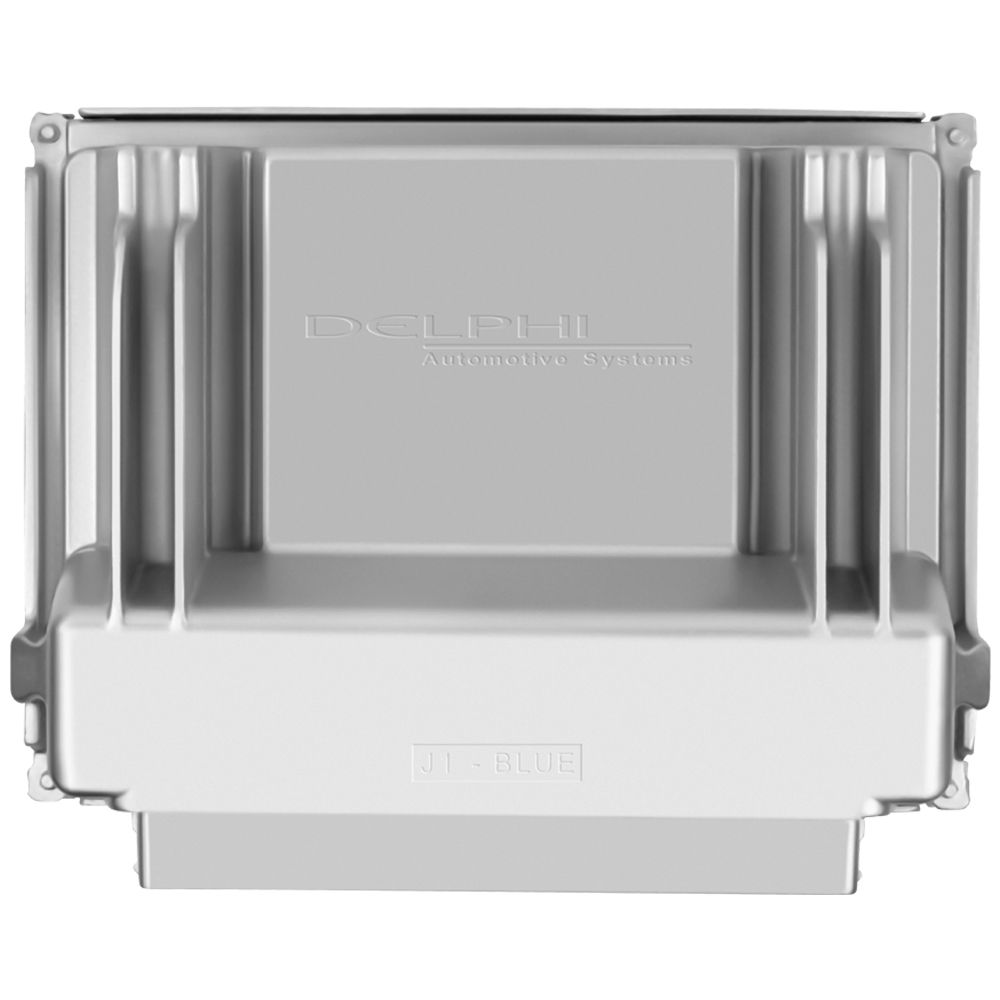
Flagship One stocks a refurbished, VIN-programmed PCM for the 2006 Chevrolet Tahoe with a lifetime warranty, free shipping and no core charge. The full Chevrolet Tahoe module lineup covers other engine configurations as well.
Your 2006 Chevrolet Tahoe relies on a healthy powertrain control module to keep the 4.8L engine running smoothly and the transmission shifting correctly. By understanding the replacement procedure, the factory cautions, and the associated service bulletins, you can approach this repair with confidence. Flagship One provides VIN-programmed replacement modules that eliminate the programming burden and get your Tahoe back on the road.