
Last updated on August 25th, 2026 at 02:25 pm
The Engine Control Module (ECM) and Powertrain Control Module (PCM) serve as the central computer for your Tahoe’s 4.8L V8, managing fuel injection, ignition timing, emissions controls, and transmission functions. Module failure often stems from voltage spikes, corrupted memory, or internal component degradation.
If your 2007 Chevrolet Tahoe with the 4.8L engine experiences starting problems, intermittent stalling, or a illuminated check engine light that refuses to clear, the Engine Control Module may be the culprit. The ECM (also called PCM when it handles transmission control) serves as the brain of your vehicle’s powertrain, and when this computer fails or develops internal faults, the results can range from frustrating drivability issues to a completely dead vehicle that will not start. This guide explains what the module does, where it is located, the labor involved in replacement, and the critical programming steps required to get your Tahoe running again. Whether you are diagnosing a no-start condition or planning a repair, understanding these fundamentals helps you make informed decisions about replacement versus repair options.
The Engine Control Module in your 2007 Chevrolet Tahoe with the 4.8L V8 is the primary computer responsible for managing the engine and powertrain. This module receives input from dozens of sensors throughout the engine bay and uses that information to calculate optimal fuel delivery, ignition timing, emission control system operation, and in many configurations, transmission shift points. The PCM variant integrates transmission control functions, making it the central command center for virtually every aspect of how your Tahoe drives and operates. When the module functions properly, it constantly adjusts air-fuel ratios, monitors catalyst efficiency, and ensures the 4.8L engine runs within emission specifications while delivering acceptable power and fuel economy. When internal diagnostics detect a fault within the module itself, such as corrupted memory or a failure in the internal voltage regulator, the module stores trouble codes designed to alert technicians to the need for replacement engine computers for the Tahoe. These module-internal codes differ from sensor-related codes because they indicate a failure within the computer housing itself rather than a problem with an external component.
Flagship One keeps Chevrolet Tahoe replacement engine computers in stock for exactly this failure pattern.
2007 Chevrolet Tahoe
OEM programmed ECM for your 2007 Chevrolet Tahoe — plug & play, no dealer visit.
Free shipping · Lifetime warranty
The ECM/PCM on a 2007 Chevrolet Tahoe is located in the engine compartment, typically mounted on the driver’s side near the firewall or on a bracket adjacent to the air intake ducting. Access requires removing the engine cover and potentially the air intake assembly to reach the module’s mounting location. The module is a rectangular unit with a multi-pin connector that interfaces with the vehicle wiring harness. Replacement involves disconnecting the battery, removing the old module, installing the new unit, and reconnecting all connectors. According to labor guides, the ECM R&R (remove and replace) procedure requires approximately 1.4 hours of book time. Following physical installation, the replacement module requires a relearn procedure taking around 0.5 hours, and in some cases a reset procedure adds another 0.3 hours. These times do not include any diagnostic time required to confirm the module is the cause of the complaint. The module must be torqued to specification when securing to its mounting bracket, and all electrical connections should be inspected for corrosion or damage before reassembly.
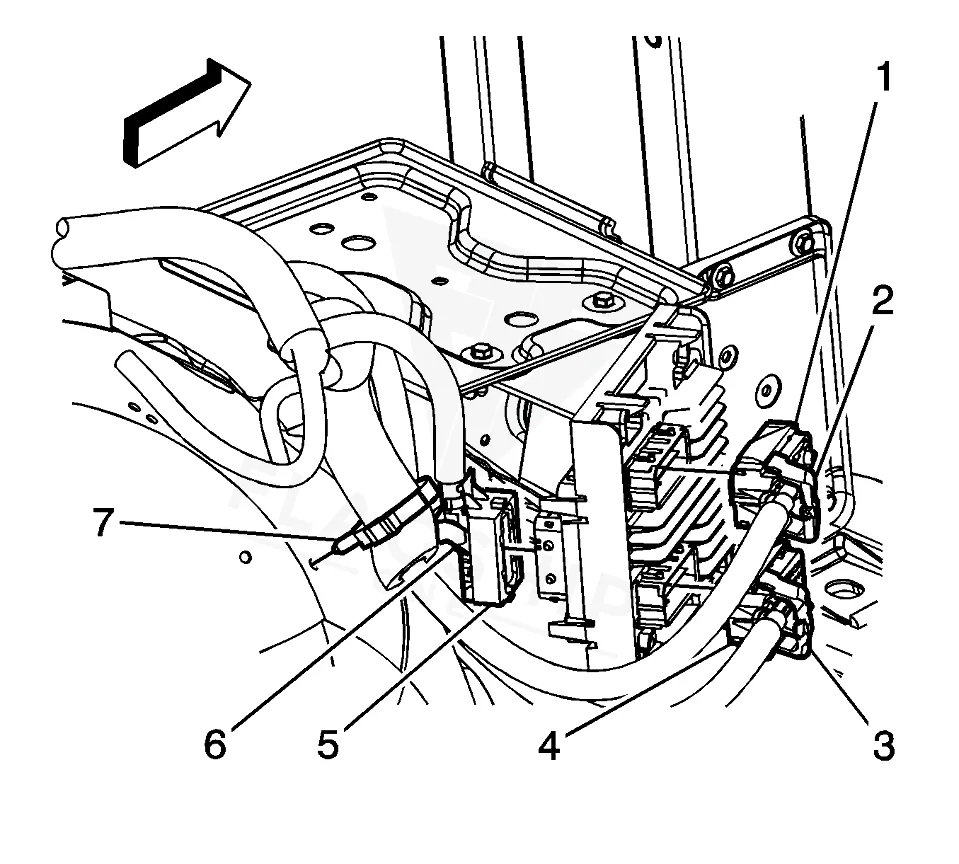
Work with the ignition off, and treat the module as static-sensitive: avoid touching the connector pins at any point.
| Operation | Configuration | Book Time |
|---|---|---|
| Powertrain Control Module R&R | All configurations | 1.4 hr |
| Powertrain Control Module Relearn | All configurations | 0.5 hr |
| Engine Control Module R&R | All configurations | 1.4 hr |
| Engine Control Module Relearn | All configurations | 0.5 hr |
| Engine Control Module Reset | All configurations | 0.3 hr |
Before removing the ECM from your 2007 Chevrolet Tahoe, the factory service procedure requires using a scan tool to capture the existing module’s data. This captured information includes vehicle configuration data, immobilizer keys if applicable, and any learned adaptive values specific to your engine and transmission. This data must then be restored into the replacement ECM to ensure proper vehicle operation. The process is critical because without it, the new module will not recognize your vehicle’s specific configuration, potentially causing drivability issues or leaving the vehicle inoperable. When you purchase a replacement unit from Flagship One, the unit arrives pre-programmed with your specific VIN, which means the configuration data is already loaded at the time of shipment. This pre-programming significantly reduces the post-installation work required, though a relearn procedure may still be needed to allow the module to adapt to your specific engine’s characteristics. The scan tool capture step remains important even with a pre-programmed unit to ensure all vehicle-specific data is properly transferred.
Every VIN-programmed replacement unit from Flagship One arrives with these steps already completed.
When the Engine Control Module in a 2007 Chevrolet Tahoe fails or develops internal faults, the symptoms can vary widely depending on the nature of the failure. A completely failed module typically results in a no-start condition where the engine will not crank at all, or if it cranks, the fuel injectors will not pulse and the engine dies immediately. Partial failures may manifest as intermittent stalling, especially under load, or rough idle that worsens as the module’s internal temperature increases. Many module failures trigger multiple diagnostic trouble codes simultaneously, and because these codes are stored within the module itself, you may notice that codes return even after clearing them with a scan tool. Communication failures can prevent scan tools from connecting to the module, leaving technicians guessing about the root cause. In some cases, the transmission may refuse to shift properly or may exhibit harsh shifting as the module loses the ability to control transmission functions. The specific trouble codes associated with module internal failures include P0601 indicating internal memory check sum error, P0602 indicating memory range performance, P0603 indicating keep alive memory failure, P0604 indicating random access memory error, P062F indicating internal control module fuel injector driver performance, and P1621 indicating internal module communication performance. These codes serve as strong indicators that the ECM itself requires replacement rather than external sensors or wiring.
The 2007 Chevrolet Tahoe with the 4.8L engine may store several module-internal diagnostic trouble codes when the ECM experiences internal failures. These codes differ from typical sensor codes because they indicate problems within the computer module itself rather than faults in external components. The codes documented for this vehicle include P0601, P0602, P0603, P0604, P062F, and P1621, each representing specific internal module performance or communication failures.
A used ECM may work if it comes from an identical vehicle with the same engine size, transmission type, and production year, but it will likely require dealer programming to transfer your VIN and configuration data. Additionally, used units carry the same risk of internal failure that caused the original to be removed.
The physical replacement is straightforward for those with basic mechanical skills, but the programming requirements typically necessitate a scan tool capable of capturing and restoring module data. Without proper programming, the vehicle may not start or run properly after installation.
These codes indicate a failure within the ECM itself rather than a faulty sensor or wiring issue. Clearing the code provides temporary relief, but if the internal memory or circuitry is damaged, the code will return once the module attempts to perform its internal diagnostics.
If multiple unrelated trouble codes appear simultaneously, if codes return immediately after clearing, or if the scan tool cannot communicate with the module at all, the ECM itself is likely the culprit. A professional diagnosis can confirm this before investing in replacement.
A quality scan tool capable of capturing and restoring ECM data is essential for the factory procedure. Additionally, a basic understanding of the vehicle’s grounding points and connector locations helps ensure a successful installation without causing additional problems.
When faced with ECM failure in your 2007 Chevrolet Tahoe, you have two primary repair paths. You may choose to have the module repaired by a specialist who can rebuild and retest the unit, or you can install a replacement unit that arrives ready to install. Pre-programmed replacement modules eliminate the need for dealer programming visits and reduce overall repair time, getting your Tahoe back on the road faster. Consider your budget, timeline, and warranty preferences when selecting the best approach for your situation.
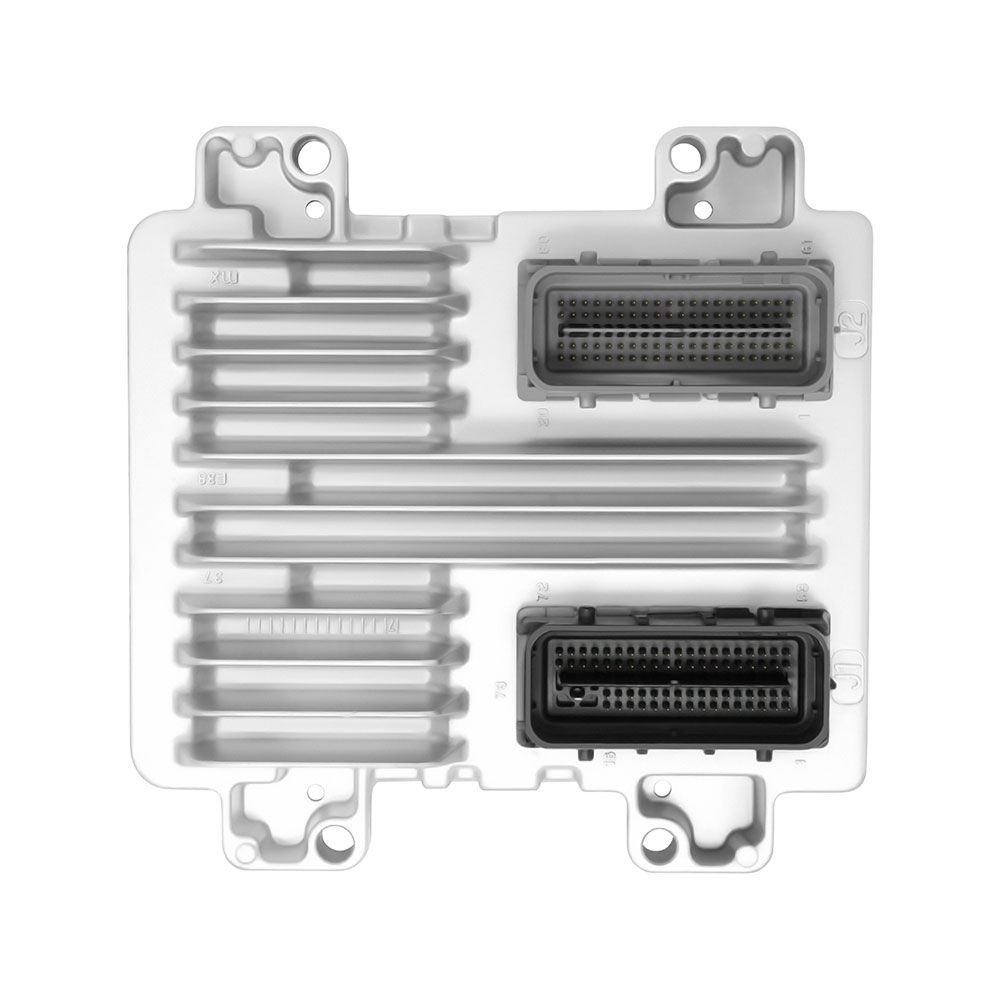
Flagship One stocks a refurbished, VIN-programmed PCM for the 2007 Chevrolet Tahoe with a lifetime warranty, free shipping and no core charge. The full Chevrolet Tahoe module lineup covers other engine configurations as well.
The Engine Control Module in your 2007 Chevrolet Tahoe is a critical component that manages the operation of the 4.8L engine and, in many cases, the transmission as well. When internal faults cause starting issues, stalling, or persistent trouble codes, replacement is typically the only reliable solution. Understanding the location, programming requirements, and common symptoms helps you make informed decisions about the repair process and communicate effectively with your service provider.