
Last updated on August 25th, 2026 at 02:18 pm
The Powertrain Control Module in a 2004 Chevrolet Silverado Hybrid manages engine, transmission and hybrid systems. Failure typically disrupts communication, causing loss of power, erratic shifting, or diagnostic trouble codes that prevent normal operation.
When a 2004 Chevrolet Silverado Hybrid experiences powertrain glitches, the PCM often becomes the focal point of diagnosis. Understanding how this computer controls the engine, transmission and hybrid functions helps you decide whether to pursue a repair or a replacement. This guide walks you through the module’s role, where it sits, the labor involved, the programming steps required after a swap, and practical steps to keep it running reliably. By the end, you’ll know what to expect from a professional service and how Flagship One’s VIN‑programmed units fit into the process.
The Powertrain Control Module in the 2004 Chevrolet Silverado Hybrid acts as the central brain for both the gasoline engine and the hybrid system. It receives sensor data, controls fuel injection, ignition timing, transmission shifts and hybrid battery management, then sends commands to actuators throughout the vehicle. Because it coordinates multiple subsystems, any fault can quickly affect drivability, emissions compliance and diagnostic communication. Maintaining accurate data, such as remaining engine oil life, is essential for proper system operation. The module also stores calibration files that the factory updates through software bulletins. For owners seeking a new unit, the market offers replacement engine computers for the Silverado that match the original specifications and communication protocols.
The PCM is mounted within the engine compartment, typically secured to the firewall or a bracket near the intake manifold. Removal involves disconnecting the battery, unplugging the module’s harnesses, and unbolting the unit. According to the labor guide, replacing the module on a Silverado Hybrid takes about 1.4 hours. After the new unit is installed, a relearn step is required to sync the module with the vehicle’s existing parameters, adding roughly 0.5 hours to the total job. No torque specifications were provided, so standard factory fasteners should be tightened to the manufacturer’s recommended values.
| Operation | Configuration | Book Time |
|---|---|---|
| Powertrain Control Module R&R | Silverado 1500 | 1.4 hr |
| Powertrain Control Module R&R | Silverado 2500 | 1.4 hr |
| Powertrain Control Module R&R | Silverado 2500 HD | 1.4 hr |
| Powertrain Control Module R&R | Silverado 3500 | 1.4 hr |
| Powertrain Control Module Relearn | Silverado 1500 | 0.5 hr |
| Powertrain Control Module Relearn | Silverado 2500 | 0.5 hr |
| Powertrain Control Module Relearn | Silverado 2500 HD | 0.5 hr |
| Powertrain Control Module Relearn | Silverado 3500 | 0.5 hr |
2004 Chevrolet Silverado Hybrid
OEM programmed ECM for your 2004 Chevrolet Silverado Hybrid — plug & play, no dealer visit.
Free shipping · Lifetime warranty
Factory service requires a PCM relearn after installation to ensure the new unit recognizes the vehicle’s configuration and retains the correct oil‑life value. The procedure includes connecting diagnostic equipment, running a software initialization routine and confirming that the remaining engine oil life is correctly recorded. Flagship One supplies a VIN-programmed replacement unit that arrives pre‑loaded with the appropriate calibration, eliminating the need for the owner to perform the oil‑life entry or additional software steps.
A faulty PCM in the 2004 Silverado Hybrid may manifest as a no‑start condition, intermittent stalling, rough idle, or erratic transmission shifting. Drivers often see loss of hybrid assistance, reduced fuel efficiency, or a complete lack of communication with scan tools. Diagnostic trouble codes such as PCM internal timing error can appear, indicating internal module failures. In some cases, the vehicle may trigger a limp‑mode response, limiting power to protect the drivetrain while the underlying issue is addressed.
The following internal diagnostic codes have been recorded for the 2004 Chevrolet Silverado Hybrid’s PCM:
Service Bulletin #06535, dated August 9 2006, covers an OBD system software upgrade that improves PCM performance. Bulletin #08136, dated May 13 2008, addresses a California‑only fuel level sender reprogram for the ECM. Both bulletins recommend updating the module software to resolve specific emission and sensor issues.
| Bulletin | Subject | What It Addresses |
|---|---|---|
| — | OBD System Software Upgrade – OBD System Improvements (Reprogram Powertrain Control Module (PCM | — |
| — | Product Emission – On-Board Diagnostic (OBD)-Fuel Level Sender-Reprogram Engine Control Module | — |
The book time lists 1.4 hours for removal and installation, plus an additional 0.5 hours for the required relearn procedure.
Yes, if the replacement module is not pre‑programmed with the remaining oil life, the system will default the value to 100 %.
Factory cautions note that even when wired directly to the battery, add‑on equipment may still cause powertrain malfunctions.
Codes such as P0601 through P0607, P062F, and P1600 series are commonly associated with internal PCM faults in this model.
Bulletin #06535 recommends an OBD system software upgrade to improve PCM functionality and address known issues.
When the PCM in your 2004 Chevrolet Silverado Hybrid needs attention, you can choose a factory‑refurbished unit or a new VIN‑programmed replacement. Both options restore the vehicle’s powertrain management, but a VIN‑programmed module from Flagship One arrives with the necessary calibrations already applied, reducing shop time and the chance of post‑install errors.
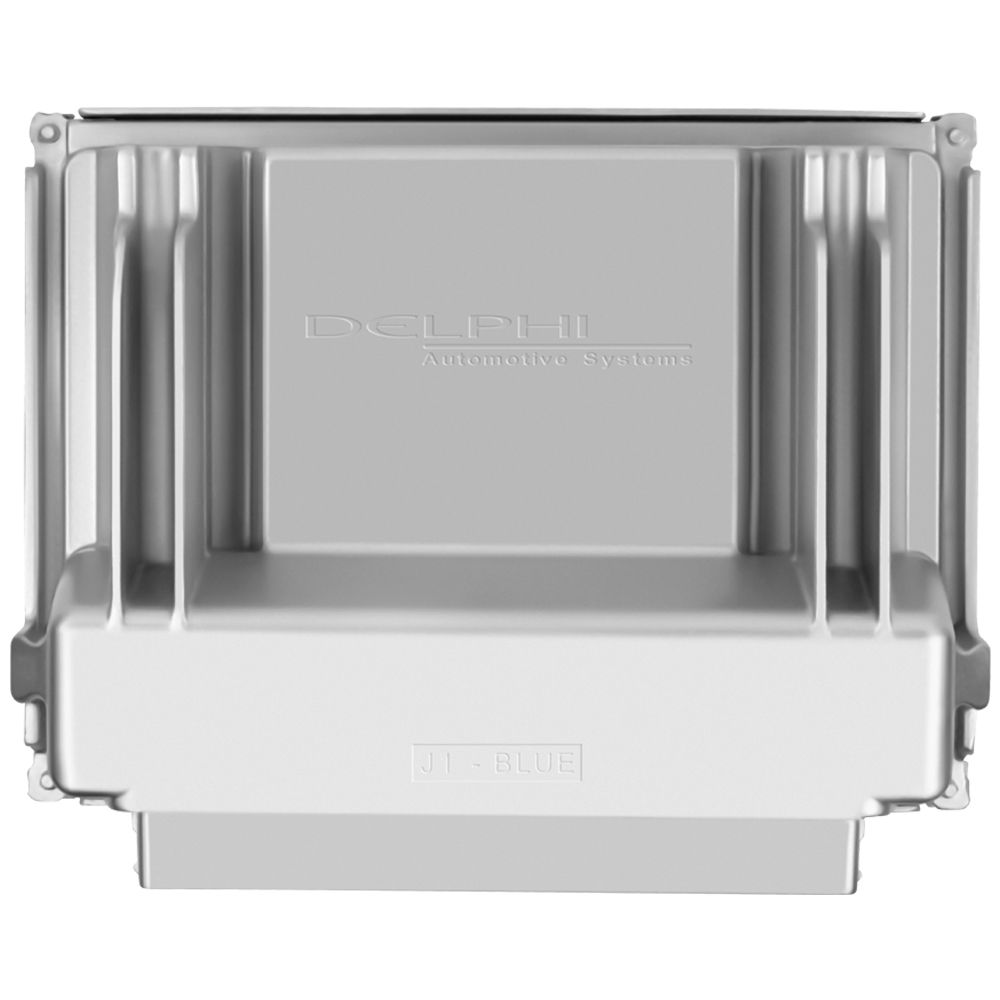
Flagship One stocks a refurbished, VIN-programmed PCM for the 2004 Chevrolet Silverado Hybrid with a lifetime warranty, free shipping and no core charge. The full Chevrolet Silverado Hybrid module lineup covers other engine configurations as well.
The PCM is vital to the 2004 Chevrolet Silverado Hybrid’s performance and emissions compliance. Whether you opt for a refurbished part or a fresh VIN‑programmed replacement, proper installation and programming are essential to keep your truck running smoothly.