
Last updated on August 25th, 2026 at 02:18 pm
The Powertrain Control Module in a 2004 Chevrolet Corvette manages engine and transmission functions. When it fails, you may experience loss of power, erratic shifting, or a complete no‑start condition, often accompanied by diagnostic trouble codes ranging from P0601 to P1644.
When a 2004 Chevrolet Corvette exhibits intermittent power loss, sudden shifting problems, or a failure to start, the Powertrain Control Module is a common suspect. Understanding how this computer controls engine and transmission operations helps you evaluate repair options. This guide explains what the PCM does, where it sits, the steps required after replacement, and the symptoms that point to a fault. Armed with this information, you can decide whether a new or refurbished unit best meets your vehicle’s needs while avoiding unnecessary downtime.
In the 2004 Chevrolet Corvette, the Powertrain Control Module serves as the central processor for both engine and transmission systems, translating sensor inputs into precise actuator commands. It stores calibration data, monitors performance, and logs fault codes when parameters fall outside acceptable ranges. Because the module directly influences fuel delivery, ignition timing, and gear shifts, its proper operation is critical for smooth power delivery and emissions compliance. The module’s role extends to managing the vehicle’s on‑board diagnostics, ensuring that any irregularities are captured for later analysis. This function makes replacement engine computers for the 2004 Chevrolet Corvette essential for maintaining drivability and regulatory standards.
The PCM is mounted within the engine compartment of the 2004 Chevrolet Corvette, typically attached to the firewall near the intake manifold. Access requires disconnecting the battery, removing the connector harness, and unbolting the unit. The factory book time for removal and replacement of the Powertrain Control Module is listed as 0.8 hours. After installation, a relearn procedure is required, which the labor guide assigns 0.5 hours. Technicians should also record the remaining engine oil life before removal, as noted in the factory caution, to ensure accurate maintenance tracking after the module is reinstalled.
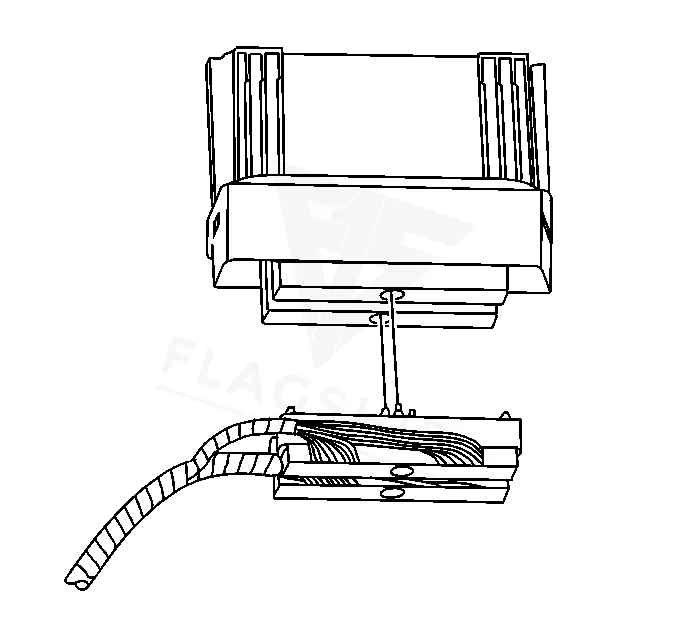
Work with the ignition off, and treat the module as static-sensitive: avoid touching the connector pins at any point.
| Operation | Configuration | Book Time |
|---|---|---|
| Engine Control Module R&R | All configurations | 0.8 hr |
| Engine Control Module Relearn | All configurations | 0.5 hr |
| Powertrain Control Module R&R | All configurations | 0.8 hr |
| Powertrain Control Module Relearn | All configurations | 0.5 hr |
2004 Chevrolet Corvette
OEM programmed ECM for your 2004 Chevrolet Corvette — plug & play, no dealer visit.
Free shipping · Lifetime warranty
Once the PCM is physically installed, the factory mandates a programming step to align the unit with the vehicle’s VIN and calibration data. Flagship One supplies a a VIN‑programmed replacement unit that arrives pre‑configured, eliminating the need for on‑site coding. This approach satisfies the factory requirement while reducing labor time and the risk of programming errors. The pre‑programmed unit also ensures that the module’s software matches the specific emissions and performance specifications for the 2004 Chevrolet Corvette.
A failing PCM in a 2004 Chevrolet Corvette often triggers a no‑start condition, rough idle, or erratic transmission shifts. Drivers may notice a loss of power under load, stalling at low speeds, or an illuminated check engine light accompanied by multiple diagnostic codes. One common fault is processor communication error, which indicates a breakdown in internal module communication. Additional signs include dead scan‑tool connectivity, random misfire codes, and inconsistent fuel trims, all of which suggest the computer is no longer reliably processing sensor data.
The following diagnostic trouble codes have been recorded for the Powertrain Control Module in the 2004 Chevrolet Corvette:
Factory Service Bulletin #02-06-04-022 and its revision #02-06-04-022A provide guidance on PCM reprogramming and data line diagnosis using tool J 42236‑A, dated October 13 2003. These bulletins detail the steps needed to verify communication integrity and update the module’s software when required.
| Bulletin | Subject | What It Addresses |
|---|---|---|
| 02-06-04-022 | Info – PCM Reprogramming and Data Line Diagnosis Using J 42236-A – (Oct 13, 2003) | — |
The factory labor guide lists 0.8 hours for removal and installation of the Powertrain Control Module, followed by a 0.5 hour relearn procedure to complete the repair.
Factory procedures call for a specific programming tool, but Flagship One units arrive pre‑programmed to the vehicle’s VIN, so additional tools are not required for most installations.
Yes, because the PCM controls shift timing and torque converter lock‑up, a malfunction can lead to harsh or delayed shifts, especially under load.
The factory caution advises recording the remaining oil life prior to removal so that maintenance records remain accurate after the module is reinstalled.
Multiple processor‑related codes often point to a PCM issue; verify wiring integrity, check for corrosion, and consider a replacement if the codes persist after inspection.
When the PCM in your 2004 Chevrolet Corvette requires attention, you can choose a brand‑new unit directly from the factory or a refurbished replacement that meets the same specifications. Both options address the core functions of the module, but a refurbished part may offer a cost advantage while still providing the necessary reliability for daily driving.
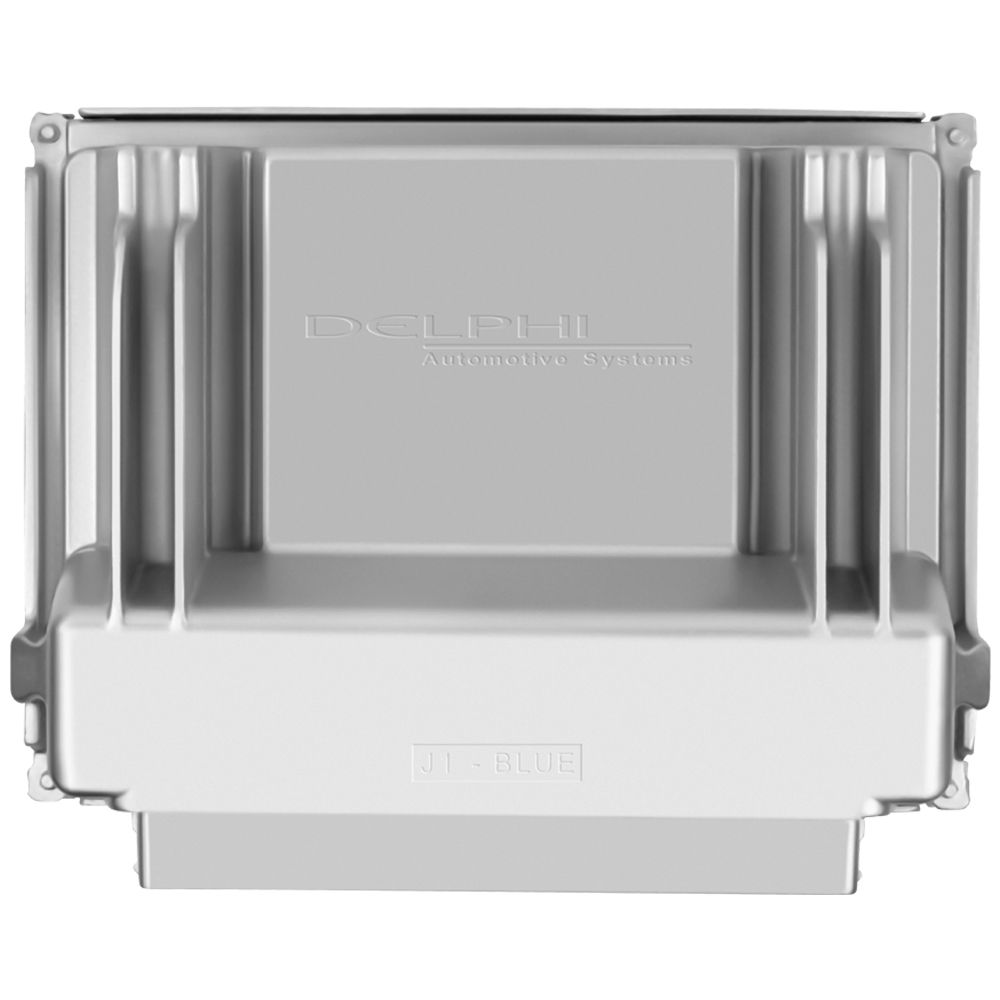
Flagship One stocks a refurbished, VIN-programmed PCM for the 2004 Chevrolet Corvette with a lifetime warranty, free shipping and no core charge. The full Chevrolet Corvette module lineup covers other engine configurations as well.
The Powertrain Control Module is vital to the performance of your 2004 Chevrolet Corvette. Whether you opt for a new or refurbished replacement, ensuring proper installation and programming will restore the vehicle’s drivability and keep it running smoothly.