
Last updated on August 25th, 2026 at 02:27 pm
The Powertrain Control Module (PCM) in your 2003 Chevrolet Tahoe manages engine and transmission functions. Failure may lead to poor performance, stalling, or diagnostic trouble codes related to internal memory or sensor communication.
If your 2003 Chevrolet Tahoe is experiencing erratic shifting, a no-start condition, or an illuminated Service Engine Soon light, the Powertrain Control Module (PCM) may be the culprit. This critical component oversees engine and transmission performance, and its failure can disrupt multiple systems. Replacing or reprogramming the PCM requires careful handling to avoid damage and ensure proper function. Understanding the process helps you avoid unnecessary delays and ensures your vehicle runs smoothly after the repair.
The Powertrain Control Module (PCM) in your 2003 Chevrolet Tahoe acts as the brain for both the engine and transmission. It processes data from sensors to optimize fuel delivery, ignition timing, and shift points. A malfunctioning PCM may cause poor drivability, reduced fuel efficiency, or even prevent the engine from starting. When replacement becomes necessary, selecting replacement engine computers for the Tahoe ensures compatibility and proper calibration for your vehicle’s specific configuration.
The PCM in the 2003 Chevrolet Tahoe is typically located near the engine bay, often secured behind a protective cover. Replacing it involves disconnecting the battery, removing the module’s electrical connector, and unbolting the unit from its mount. The labor time for removal and reinstallation is 1.4 hours. After installation, the ignition must remain off when reconnecting the PCM to prevent internal damage. Always handle the module by its casing to avoid electrostatic discharge.
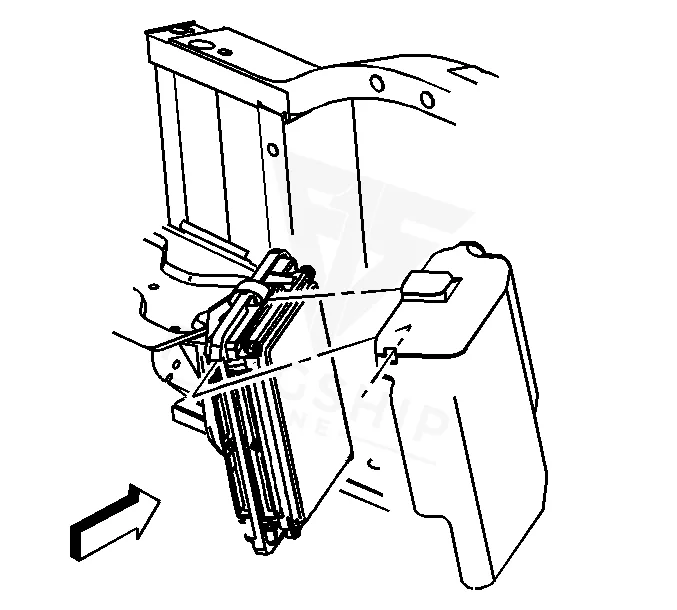
Work with the ignition off, and treat the module as static-sensitive: avoid touching the connector pins at any point.
| Operation | Configuration | Book Time |
|---|---|---|
| Powertrain Control Module R&R | All configurations | 1.4 hr |
| Powertrain Control Module Relearn | All configurations | 0.5 hr |
| Engine Control Module R&R | All configurations | 1.4 hr |
| Engine Control Module Relearn | All configurations | 0.5 hr |
| Engine Control Module Reset | All configurations | 0.3 hr |
2003 Chevrolet Tahoe
OEM programmed ECM for your 2003 Chevrolet Tahoe — plug & play, no dealer visit.
Free shipping · Lifetime warranty
After replacing the PCM in your 2003 Tahoe, the factory requires a relearn procedure, which takes 0.5 hours. This step ensures the module synchronizes with the vehicle’s systems. Additionally, the remaining engine oil life must be reprogrammed to avoid defaulting to 100%. A VIN-programmed replacement unit from Flagship One arrives pre-configured, eliminating the need for these extra steps and reducing downtime.
A failing PCM in your 2003 Chevrolet Tahoe may cause a range of issues, such as intermittent stalling, rough idling, or a no-start condition. You might also notice shifting problems, like delayed or harsh gear changes. Warning lights, such as the Service Engine Soon indicator, often appear, and diagnostic scans may reveal internal faults like control module memory checksum error. If your scan tool fails to communicate with the PCM, the module itself may be at fault.
The 2003 Chevrolet Tahoe’s PCM may log specific internal trouble codes when it malfunctions. These codes typically indicate issues with the module’s memory, processor, or communication circuits. Addressing them promptly can prevent further drivability problems.
Factory service bulletins for the 2003 Chevrolet Tahoe address several PCM-related concerns. Bulletin #03-07-30-028 describes a driveline clunk during stops, often occurring during a 3–2 downshift at around 15 mph. Bulletin #04-07-30-029 covers issues like an illuminated Service Engine Soon light, incorrect gear range readings, or a no-start condition. Both bulletins recommend reprogramming the PCM to resolve these symptoms.
| Bulletin | Subject | What It Addresses |
|---|---|---|
| 03-07-30-028 | Driveline Clunk When Stopping (Reprogram Powertrain Control Module (PCM)) – (Jun 27, 2003) | Some customers may comment on a clunk noise when stopping. This noise may occur on a 3–2 downshift at approximately 24 km/h (15 mph) and may be more noticeable… |
| 04-07-30-029 | Service Engine Soon (SES) Light On, Diagnostic Trouble Code (DTC) P0706, Gear Range Indicator I | Some customers may comment that the SES light is on. Some may comment that the vehicle will not start. Others may comment that the gear range indicator always… |
| 02-06-04-057 | Warranty Admin. – Labor Operation Assignments for All Control Module Reprogramming – (Mar 2, 20 | — |
Common signs include a no-start condition, erratic shifting, or persistent warning lights. If diagnostic scans reveal internal PCM codes like P0601 or P0603, replacement may be necessary. A scan tool that fails to communicate with the PCM also suggests a faulty module.
Without reprogramming, your 2003 Tahoe’s PCM may default to 100% engine oil life, leading to premature or delayed oil change reminders. The vehicle may also experience shifting issues or fail to start if the module isn’t properly synchronized with the transmission and engine systems.
While physically replacing the PCM is straightforward, the process requires careful handling to avoid electrostatic damage. Additionally, the module must be reprogrammed or replaced with a VIN-programmed unit to ensure proper function. Professional installation is recommended to avoid complications.
If your 2003 Chevrolet Tahoe’s PCM is failing, you have options. A repair may address minor issues, but a replacement ensures long-term reliability. Given the labor and programming requirements, choosing a pre-programmed unit can save time and reduce the risk of post-installation problems. Consider your vehicle’s needs and the benefits of a seamless replacement.
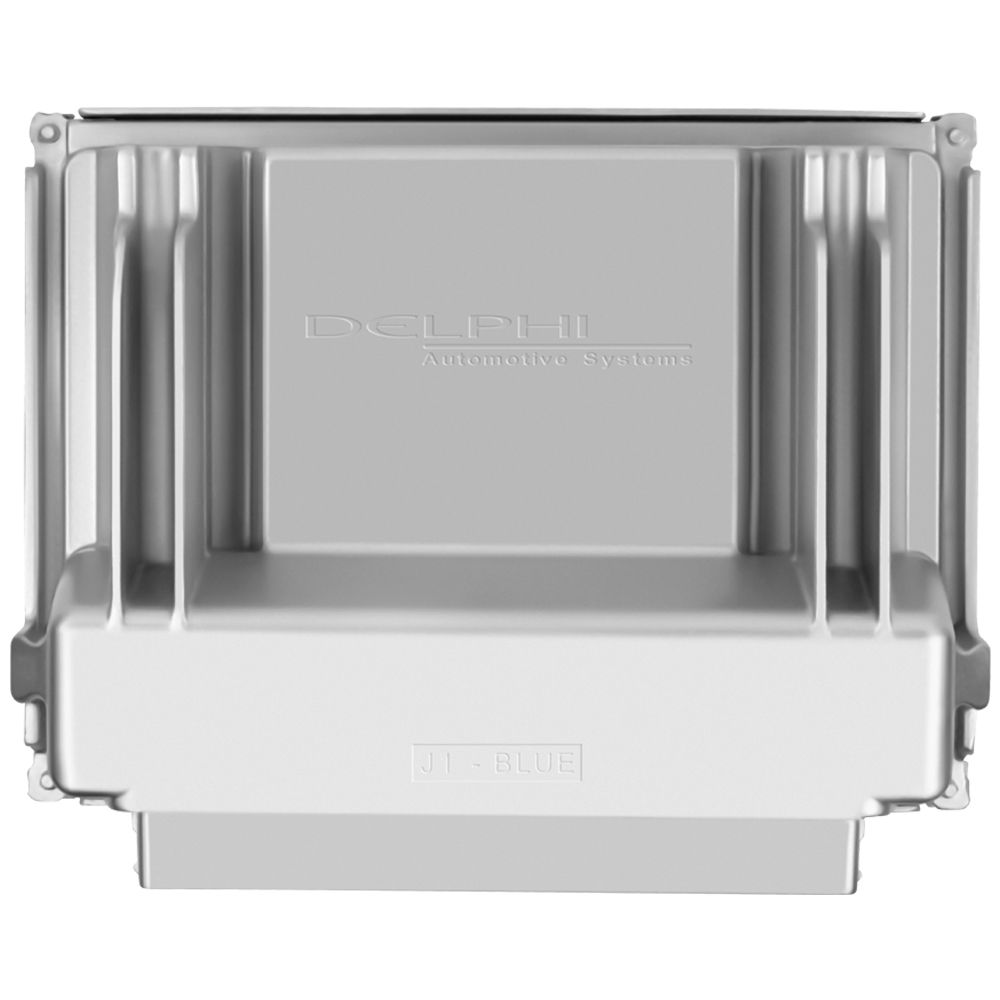
Flagship One stocks a refurbished, VIN-programmed PCM for the 2003 Chevrolet Tahoe with a lifetime warranty, free shipping and no core charge. The full Chevrolet Tahoe module lineup covers other engine configurations as well.
The 2003 Chevrolet Tahoe relies on its PCM for smooth engine and transmission performance. If you’re experiencing drivability issues or warning lights, addressing the module promptly can restore reliability. Whether you opt for a repair or replacement, understanding the process helps you make an informed decision for your vehicle.