
Last updated on August 25th, 2026 at 02:18 pm
In the 2000 Chevrolet C/K Series, the Powertrain Control Module (PCM) manages engine timing, fuel delivery, and emission controls. Failure typically results from internal EEPROM loss or electrical damage, triggering diagnostic codes such as P0601 and P0602 and causing loss of engine performance or no‑start conditions.
When a 2000 Chevrolet C/K Series begins to exhibit erratic powertrain behavior, the PCM often becomes the focus of diagnosis. Understanding how this computer interacts with the engine and what the factory expects during service can save you time and prevent costly mistakes. This guide walks you through the role of the PCM in this model, the steps required for safe removal and installation, the programming expectations after a swap, and practical tips to keep the unit healthy. By the end, you will know how to approach a PCM job with confidence and what outcomes to anticipate when the work is done correctly.
The Powertrain Control Module in the 2000 Chevrolet C/K Series acts as the central brain for engine and transmission coordination, interpreting sensor data to control fuel injection, ignition timing, and emission systems. It also stores calibration data, such as remaining oil life, which the vehicle uses to schedule service alerts. Because the PCM governs critical engine functions, any loss of its internal memory or a failure of its EEPROM can lead to a cascade of performance issues, including loss of power, stalling, or a complete no‑start condition. Ensuring the module operates correctly is essential for meeting emissions standards and maintaining drivability. The module’s reliability directly impacts fuel efficiency and emissions compliance, making it a vital component for the overall health of your truck. replacement powertrain control modules for the Chevrolet C/K Series help restore these functions when the original unit fails.
The PCM for the 2000 Chevrolet C/K Series is mounted within the engine compartment, typically attached to the firewall near the battery cables. Removal involves disconnecting the battery, then unplugging the PCM pigtail and any associated fuse or jumper leads. The factory caution emphasizes that the ignition must be OFF before any power connections are broken to avoid internal damage. Reinstallation follows the reverse order, ensuring all connectors are seated firmly. The labor guide lists a standard replacement time of 1.4 hours for light‑duty applications, reflecting the straightforward access once the battery is isolated. Torque specifications are not provided, so standard connector torque practices should be applied.
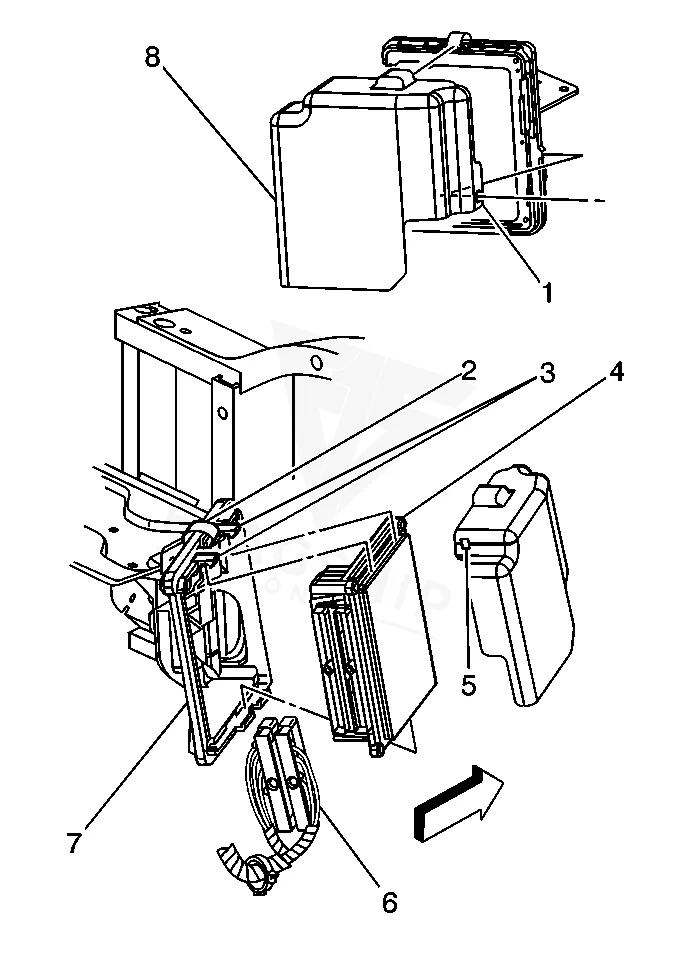
Work with the ignition off, and treat the module as static-sensitive: avoid touching the connector pins at any point.
| Operation | Configuration | Book Time |
|---|---|---|
| Powertrain Control Module R&R | Light Duty | 1.4 hr |
| Powertrain Control Module R&R | GAS | 0.8 hr |
| Powertrain Control Module R&R | DIESEL | 1.4 hr |
| Powertrain Control Module Relearn | Light Duty | 0.5 hr |
| Powertrain Control Module Relearn | Medium/Heavy Truck | 0.5 hr |
| Engine Control Module R&R | Light Duty | 1.4 hr |
| Engine Control Module R&R | GAS | 1.1 hr |
| Engine Control Module R&R | DIESEL | 1.4 hr |
2000 Chevrolet C/K Series
OEM programmed ECM for your 2000 Chevrolet C/K Series — plug & play, no dealer visit.
Free shipping · Lifetime warranty
After installing a new PCM in the 2000 Chevrolet C/K Series, the factory procedure calls for a relearn cycle to synchronize the engine control parameters, typically a 0.5‑hour process for light‑duty trucks. Flagship One units arrive as a VIN‑programmed replacement, meaning the essential calibration data, including the remaining oil life, is already loaded. This eliminates the need for the technician to perform the EEPROM programming step that would otherwise be required to clear codes such as P0601 and P0602. a VIN-programmed replacement unit thus streamlines the installation and reduces the risk of post‑install errors.
When the PCM in a 2000 Chevrolet C/K Series fails, drivers may experience a complete loss of engine start, intermittent stalling, rough idle, or unexpected shift changes in automatic transmissions. Diagnostic scans often reveal communication failures between the scan tool and the vehicle, as the module may not respond to queries. Specific trouble codes that appear include PCM internal memory failure and P0602, indicating EEPROM issues. Misfire patterns and reduced fuel efficiency can also surface as the module loses its ability to correctly manage fuel injection timing. Prompt attention to these signs helps avoid further damage to related sensors and actuators.
The following internal trouble codes are documented for the 2000 Chevrolet C/K Series PCM:
Typical indicators include a no‑start condition, erratic idle, stalling, or the appearance of codes like P0601 and P0602 on a scan tool. These symptoms suggest the module is no longer processing sensor data correctly.
The job generally requires basic hand tools to disconnect the battery, remove the PCM connector, and secure the module. No proprietary equipment is needed beyond what is standard for engine compartment work.
Yes, Flagship One supplies units that are VIN‑programmed with the necessary calibration data, including remaining oil life, so the post‑install relearn step is the only factory requirement.
The labor guide lists a typical replacement time of 1.4 hours for light‑duty applications, reflecting the straightforward removal and installation process.
If the module is not programmed with the actual remaining oil life, it will default to 100 %. Verify the oil life data after installation and update it if necessary.
When a PCM failure occurs, you can choose between a brand‑new factory‑spec unit or a refurbished replacement that meets the same specifications. Both options restore the engine control functions essential for the 2000 Chevrolet C/K Series, but a refurbished part may offer cost savings while still delivering the required performance after installation.
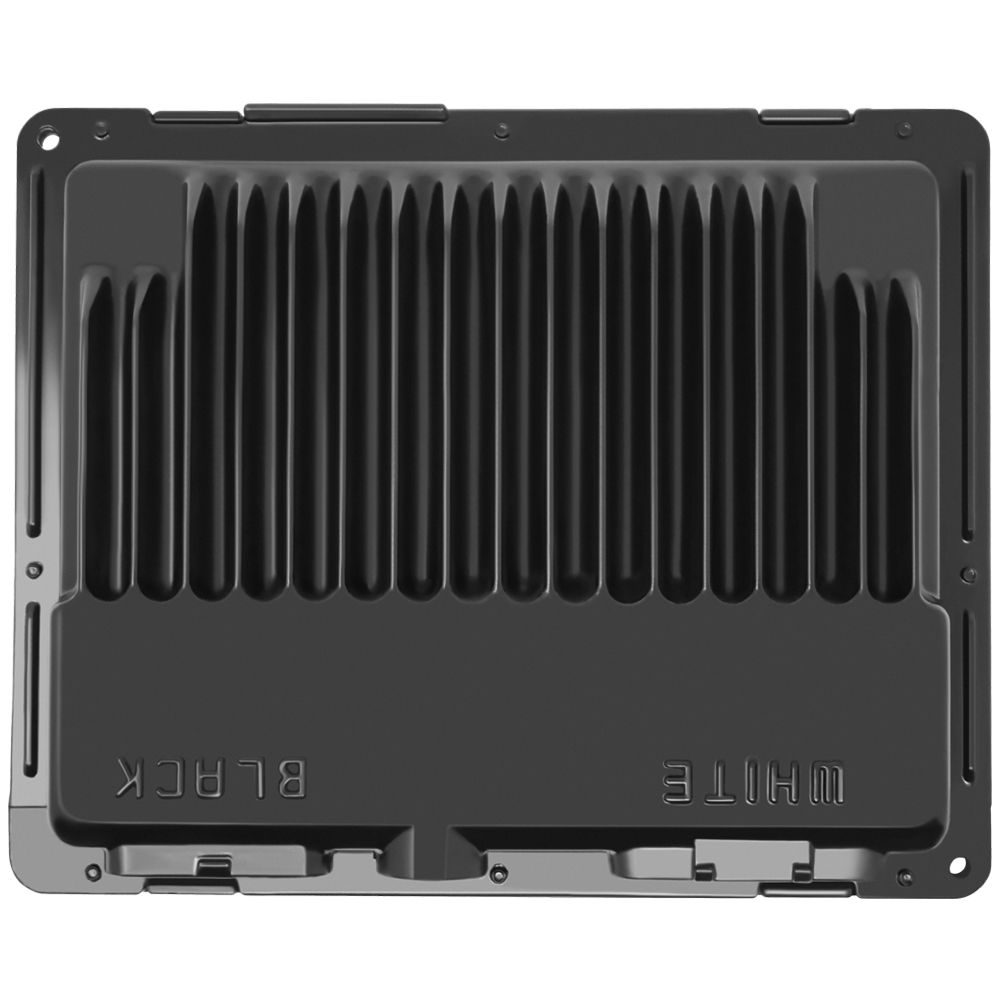
Flagship One stocks a refurbished, VIN-programmed PCM for the 2000 Chevrolet C/K Series with a lifetime warranty, free shipping and no core charge. The full Chevrolet C/K Series module lineup covers other engine configurations as well.
The PCM is a critical component in the 2000 Chevrolet C/K Series, and proper handling during replacement ensures reliable engine operation. Whether you opt for a new or refurbished unit, following the factory cautions and using a VIN‑programmed replacement will help you get the truck back on the road safely.