
Last updated on August 25th, 2026 at 02:18 pm
In the 1999 Chevrolet C/K Series, the Powertrain Control Module (PCM) and Engine Control Module (ECM) manage fuel injection, ignition timing, and transmission shifting. Failure of either unit typically triggers loss of engine power, irregular gear changes, or communication loss with diagnostic tools.
When a 1999 Chevrolet C/K Series begins to exhibit no‑start conditions, rough idle, or unexpected transmission shifts, the underlying cause often traces back to the vehicle’s Powertrain Control Module or Engine Control Module. These electronic brains coordinate fuel delivery, spark timing, and gear selection, so any malfunction can quickly translate into noticeable drivability issues. Understanding how the PCM and ECM function, where they reside, and what factory procedures accompany their replacement equips you to diagnose accurately and choose the right repair path. This guide walks you through module basics, removal steps, required post‑install programming, common symptoms, and practical tips to keep the system healthy.
The PCM in the 1999 Chevrolet C/K Series serves as the central command unit for the engine and transmission, interpreting sensor data to regulate fuel injection, spark timing, and gear shifts. The ECM, while similar, focuses primarily on engine‑specific parameters such as idle control and emissions monitoring. Together, they ensure the powertrain operates within design specifications, delivering smooth acceleration and reliable performance. A fault in either module can cause the vehicle to stall, fail to start, or shift harshly, compromising safety and fuel economy. Proper operation of these controllers is essential for meeting emissions standards and protecting downstream components. For owners seeking replacements, replacement engine computers for C/K provide a direct swap that matches the original specifications.
Both the PCM and ECM are mounted within the engine compartment, typically secured to the firewall or near the intake manifold. Accessing the units may require removal of a few brackets and disconnecting the battery to satisfy the factory caution about electrical safety. Labor times listed in the service guide indicate that swapping a PCM on a gasoline‑powered 1999 Chevrolet C/K Series usually takes about 0.8 hours, while a diesel version may require 1.4 hours. The ECM removal follows a similar pattern, with light‑duty applications quoted at 1.4 hours. After the physical replacement, a relearn procedure—0.5 hours for either light‑duty or medium/heavy truck classifications—must be performed to calibrate the new module to the vehicle’s existing sensors.
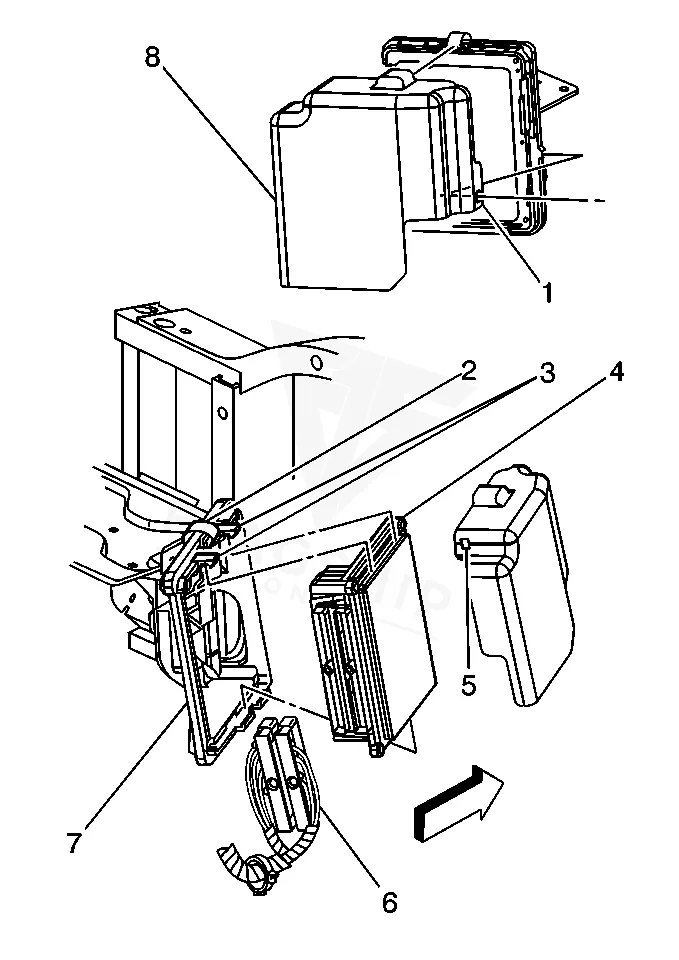
Work with the ignition off, and treat the module as static-sensitive: avoid touching the connector pins at any point.
| Operation | Configuration | Book Time |
|---|---|---|
| Powertrain Control Module R&R | Light Duty | 1.4 hr |
| Powertrain Control Module R&R | GAS | 0.8 hr |
| Powertrain Control Module R&R | DIESEL | 1.4 hr |
| Powertrain Control Module Relearn | Light Duty | 0.5 hr |
| Powertrain Control Module Relearn | Medium/Heavy Truck | 0.5 hr |
| Engine Control Module R&R | Light Duty | 1.4 hr |
| Engine Control Module R&R | GAS | 1.1 hr |
| Engine Control Module R&R | DIESEL | 1.4 hr |
1999 Chevrolet C/K Series
OEM programmed ECM for your 1999 Chevrolet C/K Series — plug & play, no dealer visit.
Free shipping · Lifetime warranty
Factory guidance mandates that any PCM replacement be followed by EEPROM programming and the PCM password learn routine, referencing DTC P1631 for theft‑deterrent validation. These steps ensure the new controller integrates with the vehicle’s anti‑theft system and operates correctly. Flagship One units arrive pre‑programmed to the vehicle’s VIN, so a VIN-programmed replacement unit already satisfies the EEPROM and password requirements, eliminating the need for additional factory programming on the shop floor.
When the PCM or ECM fails in a 1999 Chevrolet C/K Series, you may notice a complete lack of engine cranking, intermittent stalling while cruising, or erratic transmission shifts that feel out of sync with throttle input. Diagnostic scans often reveal communication loss, and trouble codes such as internal processor fault may appear, indicating a processor malfunction within the module. Other common codes include P0602 for memory errors and P0604 for internal RAM issues. Drivers might also experience rough idle, reduced power, or unexpected check‑engine illumination, all pointing toward a compromised control unit.
The following internal trouble codes are documented for the 1999 Chevrolet C/K Series powertrain modules:
| Code | Meaning | Full Guide |
|---|---|---|
| P0601 | Internal memory checksum error | Full P0601 guide → |
| P0602 | Control module programming error | Full P0602 guide → |
| P0604 | Internal RAM error | Full P0604 guide → |
| P0608 | Module-internal fault | Full P0608 guide → |
| P0650 | Module-internal fault | Full P0650 guide → |
| P0654 | Module-internal fault | Full P0654 guide → |
| P1626 | Module-internal fault | — |
| P1631 | Module-internal fault | — |
| P1635 | Module-internal fault | — |
| P1637 | Module-internal fault | — |
| P1639 | Module-internal fault | — |
Service bulletin #99-06-04-053, dated Oct 26, 1999, provides information on PCM reprogramming for this model. The bulletin outlines the necessary software updates and calibration steps to ensure the module functions correctly after replacement.
| Bulletin | Subject | What It Addresses |
|---|---|---|
| 99-06-04-053 | Info – PCM Reprogramming – (Oct 26, 1999) | — |
The service guide lists about 0.8 hours for a gasoline‑powered PCM replacement, reflecting the relatively straightforward removal and installation steps.
A standard scan tool that supports PCM relearn functions is required; the procedure itself takes roughly 0.5 hours according to the labor specifications.
Yes, because the ECM shares data with the PCM, a malfunction can affect shift timing and result in harsh or delayed gear changes.
Factory instructions specify that the password learn step must be completed after any PCM swap to ensure anti‑theft system compatibility.
Flagship One units are pre‑programmed to the vehicle’s VIN, so the EEPROM and password steps are already satisfied, streamlining the install.
When the PCM or ECM in your 1999 Chevrolet C/K Series shows signs of failure, you can either have a professional shop perform a full repair or choose a refurbished, VIN‑programmed replacement that meets factory specifications. Both paths aim to restore reliable powertrain control, but a pre‑programmed unit can reduce shop time and simplify post‑install procedures.
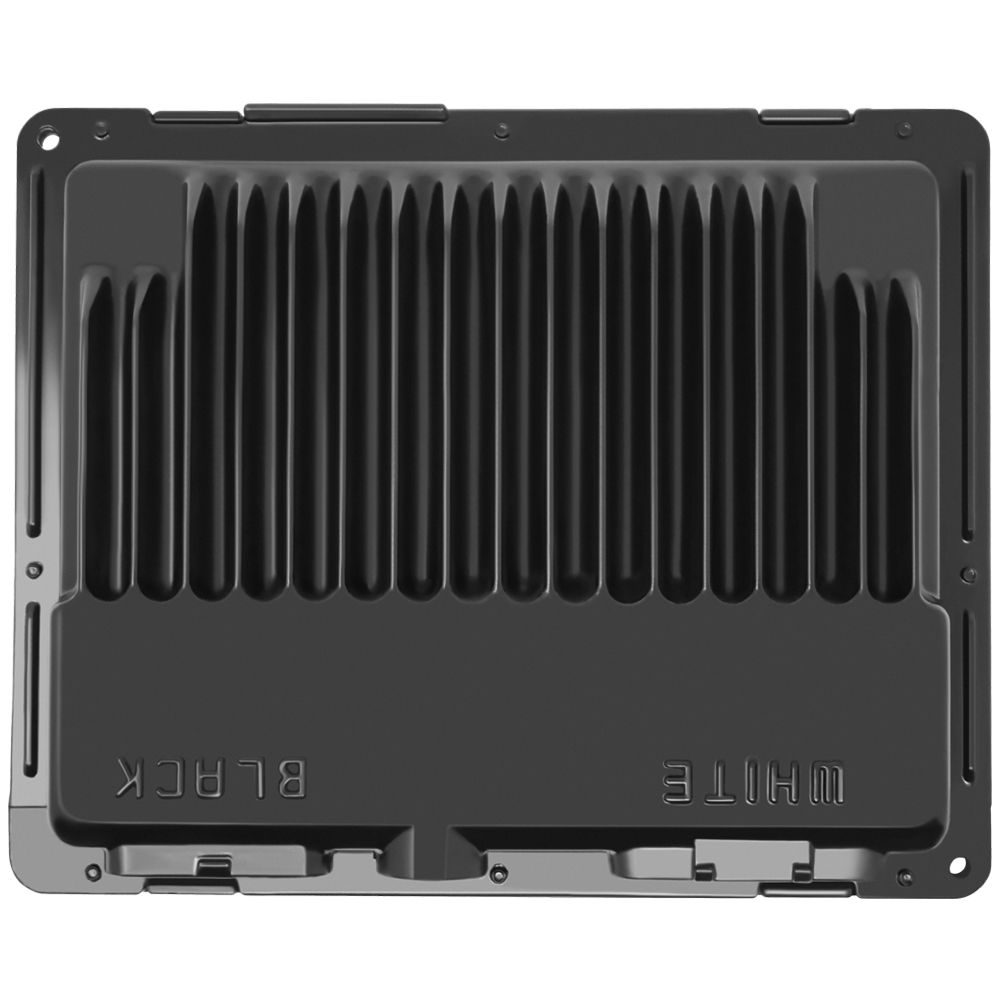
Flagship One stocks a refurbished, VIN-programmed PCM for the 1999 Chevrolet C/K Series with a lifetime warranty, free shipping and no core charge. The full Chevrolet C/K Series module lineup covers other engine configurations as well.
The 1999 Chevrolet C/K Series relies on its PCM and ECM to keep the engine and transmission running smoothly. Whether you opt for a factory‑approved repair or a Flagship One refurbished unit, addressing the issue promptly helps maintain performance and avoid further complications.