
Last updated on August 25th, 2026 at 12:23 pm
The Powertrain Control Module (PCM) in the 1996 Chevrolet Beretta manages engine and transmission functions by processing sensor data. Failure may lead to poor performance, stalling, or diagnostic trouble codes like P0601.
If your 1996 Chevrolet Beretta is experiencing erratic engine behavior, stalling, or transmission shifting problems, the Powertrain Control Module (PCM) may be at fault. This critical component acts as the brain of your vehicle’s powertrain, coordinating engine and transmission operations based on sensor inputs. When it fails, symptoms can range from subtle performance issues to a complete no-start condition. Replacing the PCM involves more than just swapping parts—it requires careful handling to avoid damage and a post-installation relearn procedure to ensure proper functionality. Understanding the role of the PCM, its location, and the steps involved in replacement can help you make informed decisions about repairs. Whether you’re diagnosing a persistent trouble code or preparing for a replacement, this guide covers what you need to know about your Beretta’s PCM and how to address common issues effectively.
The Powertrain Control Module (PCM) in your 1996 Chevrolet Beretta is responsible for managing the engine and transmission systems. It processes data from sensors throughout the vehicle to optimize fuel delivery, ignition timing, and shift points, ensuring smooth operation. Without a functioning PCM, your Beretta may struggle to start, idle roughly, or shift unpredictably. Over time, exposure to heat, vibration, or electrical issues can degrade the module, leading to intermittent or permanent failures. When replacement becomes necessary, you’ll need replacement powertrain control modules for the Beretta that match the original specifications. The PCM’s role is central to your vehicle’s performance, so addressing issues promptly can prevent further drivetrain complications.
1996 Chevrolet Beretta
OEM programmed ECM for your 1996 Chevrolet Beretta — plug & play, no dealer visit.
Free shipping · Lifetime warranty
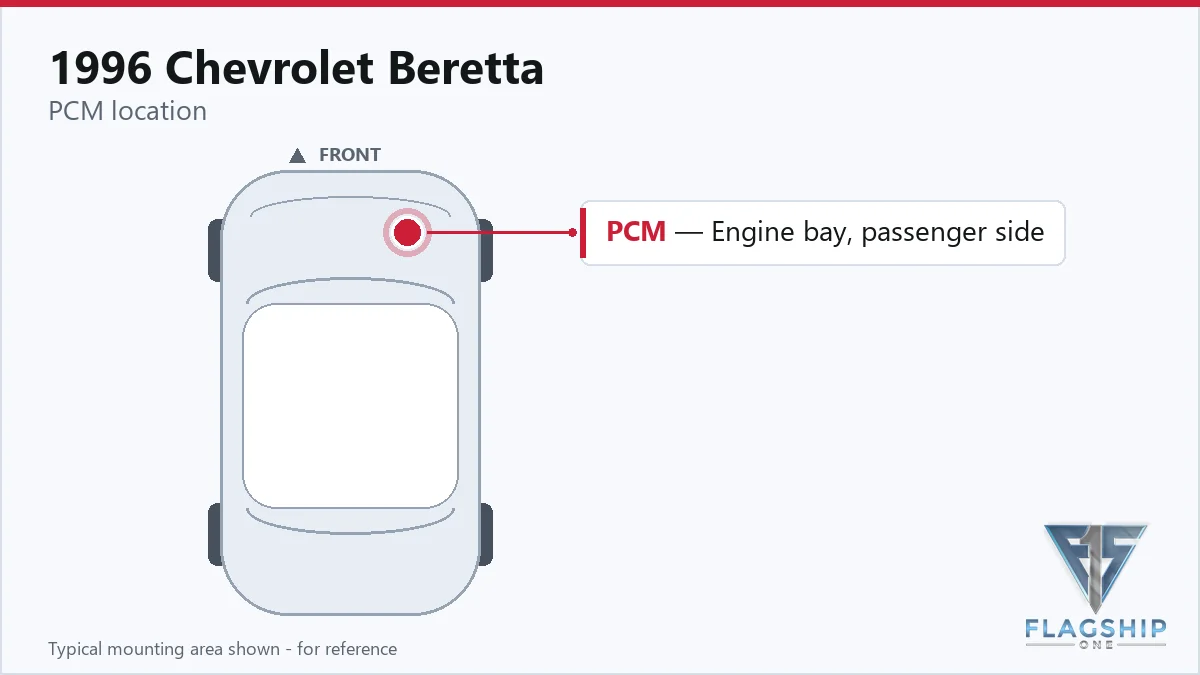
The PCM in the 1996 Chevrolet Beretta is mounted underhood, positioned in front of the right strut tower near the engine coolant reservoir. Accessing it requires removing the protective cover and disconnecting the wiring harness. Replacement typically involves 1.3 hours of labor, as the module is secured with bolts and connected via a multi-pin connector. Care must be taken when handling the PCM to avoid damaging the pins or circuit board. Once installed, the new module must be properly secured, and the electrical connections should be inspected for corrosion or wear. The location is relatively accessible, but working in tight quarters may require patience to avoid snagging nearby components.
| Operation | Configuration | Book Time |
|---|---|---|
| Engine Control Module R&R | All configurations | 1.3 hr |
| Powertrain Control Module R&R | All configurations | 1.3 hr |
| Powertrain Control Module Relearn | All configurations | 0.5 hr |
After replacing the PCM in your 1996 Chevrolet Beretta, a factory-required relearn procedure must be performed to synchronize the module with the vehicle’s systems. This process typically takes 0.5 hours and ensures the PCM recognizes sensor inputs and adapts to the engine’s operating parameters. However, if you install a VIN-programmed replacement unit, these steps are already completed, saving time and reducing the risk of calibration errors. The relearn procedure may involve using a scan tool to reset adaptive values or driving the vehicle under specific conditions to allow the PCM to recalibrate. Skipping this step can result in poor performance, shifting issues, or even a no-start condition, so it’s critical to follow the correct protocol.
A failing PCM in your 1996 Chevrolet Beretta may cause a variety of symptoms, often mimicking other mechanical or electrical issues. Common signs include intermittent stalling, rough idling, or hesitation during acceleration. You might also notice the transmission shifting erratically or failing to engage gears properly. In some cases, the vehicle may not start at all, or the engine may crank without firing. Diagnostic trouble codes, such as an internal control module memory check error, may appear during a scan, indicating a problem with the PCM’s internal circuitry. Additionally, you might experience poor fuel economy or illuminated warning lights on the dashboard. Since these symptoms can overlap with other issues, proper diagnosis is essential to confirm whether the PCM is the root cause.
The 1996 Chevrolet Beretta’s PCM may generate specific trouble codes when internal faults are detected. These codes help identify issues within the module itself, rather than external sensor or wiring problems. One documented code for this vehicle is listed below.
| Code | Meaning | Full Guide |
|---|---|---|
| P0601 | Internal memory checksum error | Full P0601 guide → |
Factory service bulletins for the 1996 Chevrolet Beretta address PCM-related concerns. Bulletin #99-06-04-053, issued in October 1999, provides information on PCM reprogramming procedures to resolve drivability or performance issues. Another bulletin, #83-81-32 from September 1998, introduces updated PCM connector service kits designed to improve electrical connections and reduce the risk of intermittent failures. These bulletins highlight common issues and offer guidance for technicians working on this model.
| Bulletin | Subject | What It Addresses |
|---|---|---|
| 99-06-04-053 | Info – PCM Reprogramming – (Oct 26, 1999) | — |
| 83-81-32 | INFO – NEW PCM CONNECTOR SERVICE KITS – (Sep 16, 1998) | — |
Intermittent stalling in your Beretta may be caused by a failing PCM, which can disrupt fuel delivery or ignition timing. Other potential causes include faulty sensors, fuel pump issues, or electrical problems. A diagnostic scan can help pinpoint whether the PCM is the source of the issue.
While your Beretta may still run with a P0601 code, it’s not advisable to ignore it. This code indicates an internal PCM memory error, which can lead to poor performance or even a no-start condition. Addressing it promptly can prevent further complications.
Signs of a failing PCM include persistent trouble codes, erratic shifting, stalling, or a no-start condition. If basic diagnostics rule out other issues like sensors or wiring, the PCM may need to be replaced or reprogrammed.
Skipping the PCM relearn procedure after replacement may result in poor engine performance, shifting issues, or a no-start condition. The relearn ensures the module adapts to your Beretta’s specific operating parameters, so it’s a critical step.
No, touching the PCM circuit board or connector pins can cause electrostatic discharge, potentially damaging the module. Always handle the PCM by its edges and avoid direct contact with sensitive components.
If your 1996 Chevrolet Beretta is experiencing PCM-related issues, you have options for repair or replacement. While a refurbished module may offer a cost-effective solution, a new replacement ensures reliability and compatibility with your vehicle’s systems. Given the labor involved in installation and the importance of proper programming, choosing a pre-programmed unit can save time and reduce the risk of post-installation problems. Consider your vehicle’s age and usage when deciding between repair and replacement to ensure long-term performance.
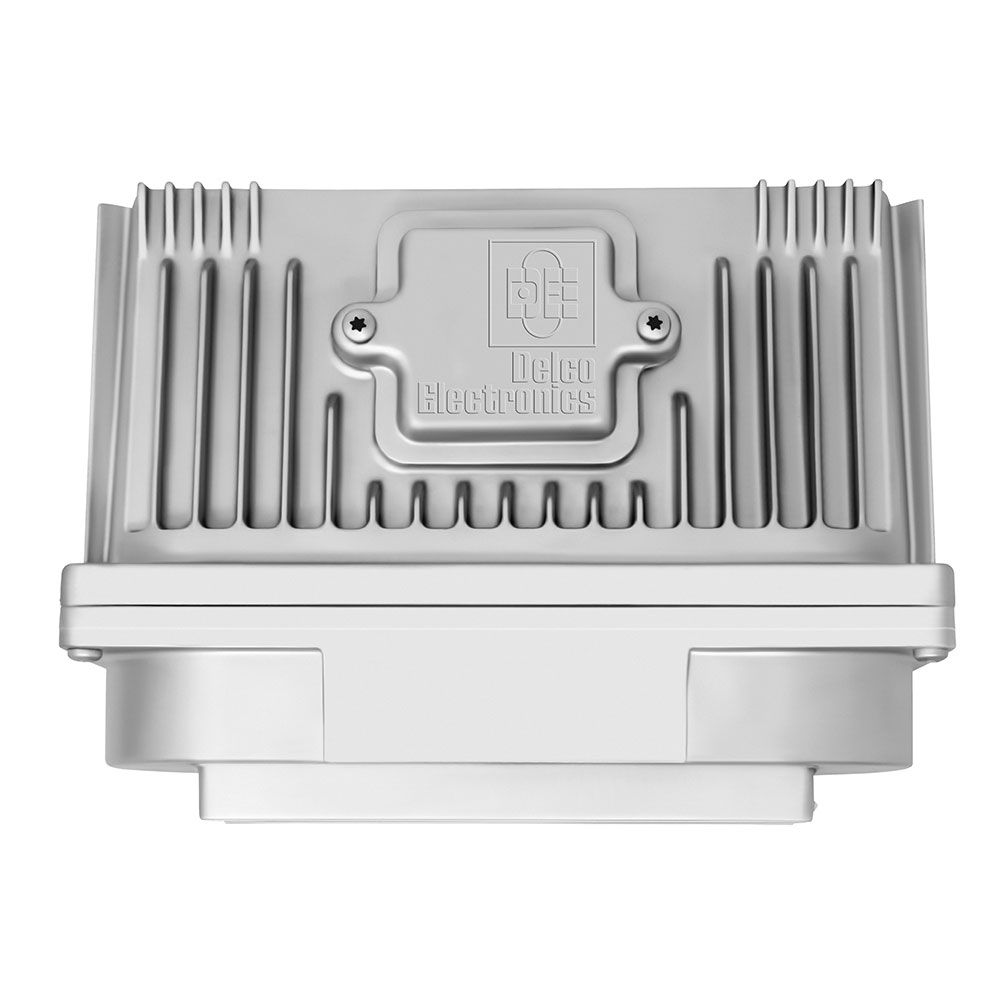
Flagship One stocks a refurbished, VIN-programmed PCM for the 1996 Chevrolet Beretta with a lifetime warranty, free shipping and no core charge. The full Chevrolet Beretta module lineup covers other engine configurations as well.
The Powertrain Control Module plays a vital role in the operation of your 1996 Chevrolet Beretta, managing critical engine and transmission functions. If you’re experiencing symptoms like stalling, shifting issues, or diagnostic trouble codes, addressing the PCM promptly can restore your vehicle’s performance. Whether you opt for a replacement or reprogramming, understanding the process and taking preventive measures can help avoid future issues. With proper care, your Beretta’s PCM can continue to support reliable operation for years to come.