
Last updated on August 25th, 2026 at 02:30 pm
In the 1995 Chevrolet Impala, the Engine Control Module (ECM) and Powertrain Control Module (PCM) serve as the vehicle’s computer brains, interpreting sensor data to manage fuel delivery, ignition timing, and transmission shift points. When either module fails, the engine may refuse to start, stall unexpectedly, or run poorly, and the transmission may shift harshly or not at all.
When a 1995 Chevrolet Impala begins to exhibit no‑start conditions, rough idle, or erratic shifting, the onboard computers may be the culprit. The ECM and PCM are responsible for interpreting sensor inputs and directing fuel, spark, and gear changes. Understanding how these modules work, where they sit, and what the factory expects after a swap can help you decide whether a repair or a replacement is the better path. This guide walks you through the function of each computer, the steps required to remove and install them, the post‑install procedures the factory mandates, and practical tips to keep the new unit reliable for years to come.
1995 Chevrolet Impala
OEM programmed ECM for your 1995 Chevrolet Impala — plug & play, no dealer visit.
Free shipping · Lifetime warranty
The Engine Control Module in the 1995 Chevrolet Impala processes data from the throttle position sensor, oxygen sensors, crankshaft position sensor, and other inputs to calculate the precise amount of fuel and spark needed for each cylinder. It also monitors emissions output and adjusts strategies to stay within legal limits. The Powertrain Control Module performs a similar role for the transmission, determining shift timing and torque converter lock‑up based on vehicle speed, throttle position, and load. Together, these computers ensure smooth acceleration, optimal fuel economy, and compliance with emissions standards. A failure in either unit can cause the engine to stall, refuse to start, or trigger harsh shifting, which directly impacts drivability. For owners seeking a replacement, replacement engine control modules for the 1995 Chevrolet Impala provide a direct swap without needing custom wiring.
Both the ECM and PCM reside under the passenger‑side dash, secured with bolts and connected to a wiring harness. Removing the modules typically requires disconnecting the battery, pulling the harness plug, and unbolting the unit. The factory book lists 0.7 hours for the ECM removal and replacement, and 1.1 hours for the PCM. After the new unit is seated, the harness is reconnected and bolts tightened to the specified torque. Once installed, the vehicle requires a relearn cycle: 0.5 hours for the ECM and another 0.5 hours for the PCM, during which the control strategies are re‑established by the vehicle’s own diagnostic system.
| Operation | Configuration | Book Time |
|---|---|---|
| Engine Control Module R&R | All configurations | 0.7 hr |
| Engine Control Module Relearn | All configurations | 0.5 hr |
| Powertrain Control Module R&R | All configurations | 1.1 hr |
| Powertrain Control Module Relearn | All configurations | 0.5 hr |
After installing a new ECM or PCM in the 1995 Chevrolet Impala, the factory procedure calls for a relearn routine to calibrate the module to the engine’s unique characteristics. This involves a 0.5‑hour ECM relearn and a 0.5‑hour PCM relearn, during which the vehicle’s computer records sensor data and adjusts fuel maps and shift points. Flagship One supplies units that arrive already VIN‑programmed, so the required steps are completed before the part reaches your shop. Consequently, the a VIN‑programmed replacement unit eliminates the need for on‑site coding, allowing you to focus on the mechanical aspects of the swap.
When the ECM or PCM in a 1995 Chevrolet Impala begins to fail, you may notice the engine cranking but not starting, intermittent stalling at idle, or a sudden loss of power under load. The transmission may exhibit harsh or delayed shifts, and you might see a flashing check engine light without a clear diagnostic code. In some cases, the scan tool will lose communication with the vehicle’s computer network, indicating a loss of data flow. These symptoms often point to a deteriorating module, especially if they appear after years of service or exposure to harsh electrical conditions.
Yes, if the ECM cannot process sensor data correctly, it may prevent fuel injection or spark, resulting in a no‑start situation.
The factory procedure includes a 0.5‑hour PCM relearn to re‑establish shift timing and torque converter operation after a swap.
Standard hand tools are sufficient; the module is bolted in place and connected via a single wiring harness.
A VIN‑programmed unit arrives with the necessary vehicle identifiers, so the only remaining steps are the relearn cycles outlined in the service manual.
Regular visual inspections during routine maintenance are advisable, especially if the vehicle operates in humid or salty environments.
When the ECM or PCM in your 1995 Chevrolet Impala needs attention, you can choose a repair that restores the original unit or opt for a refurbished replacement that meets factory specifications. Both paths require the same removal and relearn steps, but a pre‑programmed replacement can save time on coding. Consider your budget, the age of the existing module, and the availability of a reliable refurbished part before deciding.
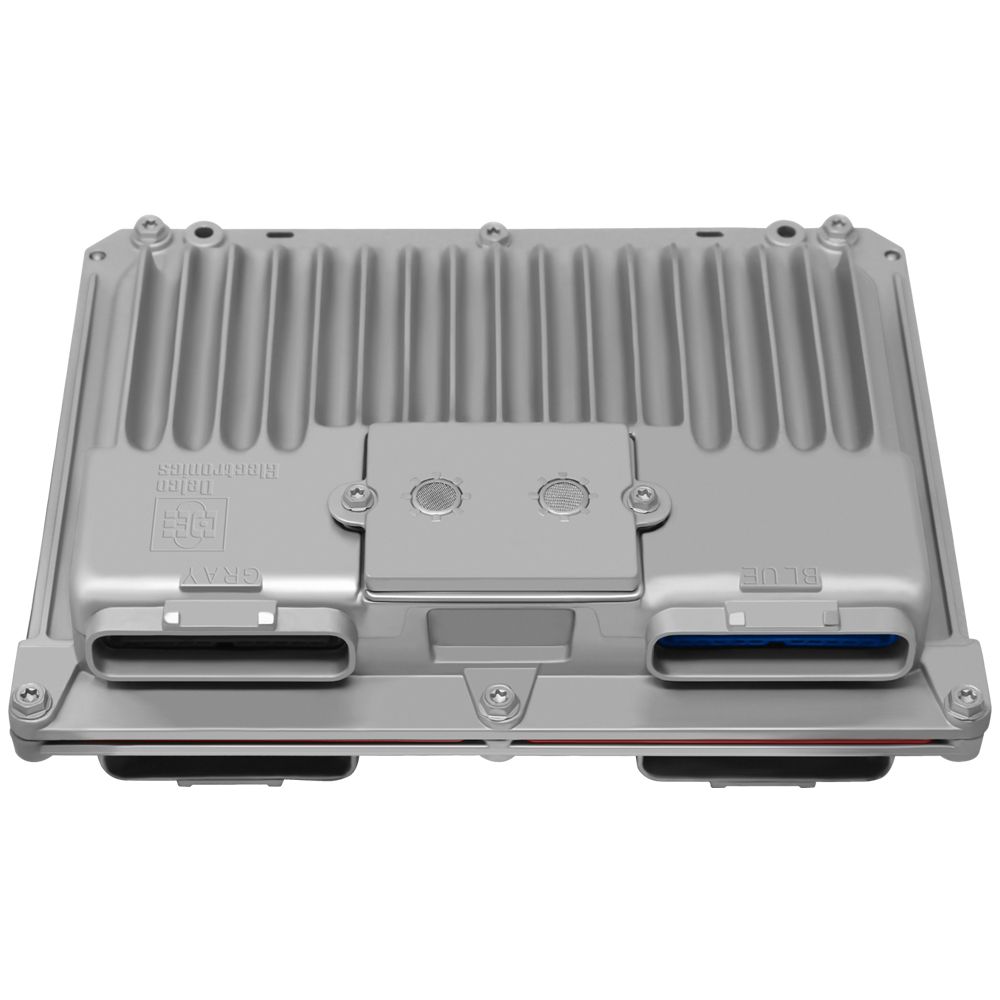
Flagship One stocks a refurbished, VIN-programmed PCM for the 1995 Chevrolet Impala with a lifetime warranty, free shipping and no core charge. The full Chevrolet Impala module lineup covers other engine configurations as well.
The 1995 Chevrolet Impala relies on its ECM and PCM for smooth operation. Whether you repair the original or install a Flagship One replacement, proper removal, installation, and relearn procedures are essential. Contact a qualified technician to evaluate your options and keep your Impala running reliably.