
Last updated on August 25th, 2026 at 02:28 pm
The Powertrain Control Module (PCM) in your 2002 Chevrolet Impala manages engine and transmission functions. Failures may cause erratic performance, diagnostic tool communication errors, or internal memory faults that trigger warning lights.
If your 2002 Chevrolet Impala is experiencing unexplained stalling, no-start conditions, or scan tool communication errors, the Powertrain Control Module (PCM) may be the culprit. This critical component oversees engine and transmission functions, and its failure can disrupt vehicle operation. Replacing or reprogramming the PCM requires careful attention to factory procedures to avoid further issues. Understanding the module’s role, location, and service requirements helps you make informed decisions about repairs. This guide covers what the PCM does, how to replace it, and what to expect during programming—so you can restore your Impala’s performance reliably.
The Powertrain Control Module (PCM) in your 2002 Chevrolet Impala acts as the brain for engine and transmission systems. It processes sensor data to regulate fuel delivery, ignition timing, and shift patterns, ensuring smooth operation. When the PCM fails, you may notice poor drivability, warning lights, or diagnostic tool communication issues. Replacement involves replacement engine computers for the Impala, which must be programmed to match your vehicle’s specifications. Without proper calibration, the new module may not function correctly, leading to further drivability concerns.
The PCM in your 2002 Chevrolet Impala is typically located near the engine bay, though access may require removing covers or components. Replacing the module involves disconnecting the battery, unplugging the wiring harness, and removing mounting bolts. Labor time for removal and reinstallation is estimated at 1.2 hours. After installation, a relearn procedure takes an additional 0.5 hours to synchronize the module with your vehicle’s systems. Secure connections are critical, as loose wiring can disrupt communication or cause programming failures.
| Operation | Configuration | Book Time |
|---|---|---|
| Engine Control Module R&R | All configurations | 1.2 hr |
| Engine Control Module Relearn | All configurations | 0.5 hr |
| Powertrain Control Module R&R | All configurations | 1.2 hr |
| Powertrain Control Module Relearn | All configurations | 0.5 hr |
2002 Chevrolet Impala
OEM programmed ECM for your 2002 Chevrolet Impala — plug & play, no dealer visit.
Free shipping · Lifetime warranty
After installing a new PCM in your 2002 Chevrolet Impala, factory procedures require a reprogramming step to ensure compatibility with your vehicle’s systems. This process involves using a Tech 2 scan tool and selecting the Off-Board Programming Adapter as the module location. Interruptions during programming may cause module damage or failure, so maintaining a stable power supply and secure connections is essential. A VIN-programmed replacement unit eliminates the need for on-site programming, as it arrives pre-configured for your Impala’s specifications.
Common signs of PCM failure in your 2002 Chevrolet Impala include stalling, rough idling, or a no-start condition. You may also notice warning lights on the dashboard or difficulty communicating with diagnostic tools. Internal faults, such as memory errors, can trigger codes like control module memory checksum error, indicating the module’s memory has been corrupted. If your vehicle exhibits these symptoms, prompt diagnosis is recommended to prevent further drivability issues.
The 2002 Chevrolet Impala’s PCM may log internal trouble codes when faults occur. These codes help identify specific issues, such as memory errors or communication failures, that could disrupt vehicle operation.
Factory service bulletins for the 2002 Chevrolet Impala address PCM communication issues with non-Tech 2 diagnostic tools. Bulletin #04-06-04-024 notes that some vehicles may fail to transmit freeze frame data, while #04-06-04-023 highlights EGR test result communication errors. Both bulletins recommend reprogramming the PCM to resolve these issues. If your Impala exhibits diagnostic tool communication problems, these bulletins may provide guidance for corrective action.
| Bulletin | Subject | What It Addresses |
|---|---|---|
| 04-06-04-024 | Powertrain Control Module (PCM) Will Not Properly Communicate On-Board Diagnostic Freeze Frame | Some customers may comment that their vehicle’s engine is unable to be properly serviced or tested using non-TECH2® (Generic) service or test equipment. When… |
| 04-06-04-023 | Powertrain Control Module (PCM) Will Not Properly Communicate On-Board Diagnostic EGR Test Resu | Some customers may comment that their vehicle’s engine is unable to be properly serviced or tested using non-TECH2® (Generic) service or test equipment. When… |
Stalling after PCM replacement may occur if the module isn’t properly programmed or relearned. The vehicle’s systems need time to synchronize with the new module. A relearn procedure, which typically takes 0.5 hours, helps ensure smooth operation. If stalling persists, verify secure connections and check for additional trouble codes.
A used PCM from another vehicle may not be compatible with your Impala’s VIN-specific programming. Even if the part fits, it may not communicate correctly with your vehicle’s systems. Reprogramming is often required, and interruptions during this process can cause module damage. A VIN-programmed replacement unit is recommended for reliable performance.
A P0601 code indicates a control module memory checksum error, often caused by internal faults or corrupted data. This may result from voltage spikes, programming interruptions, or module failure. Addressing the issue typically involves replacing or reprogramming the PCM to restore proper function.
If your 2002 Chevrolet Impala’s PCM has failed, you have options for repair or replacement. While reprogramming the existing module may resolve some issues, a new or refurbished unit ensures long-term reliability. A VIN-programmed replacement eliminates the need for on-site programming, reducing the risk of errors during installation. Consider your vehicle’s needs and the potential for future issues when deciding on the best course of action.
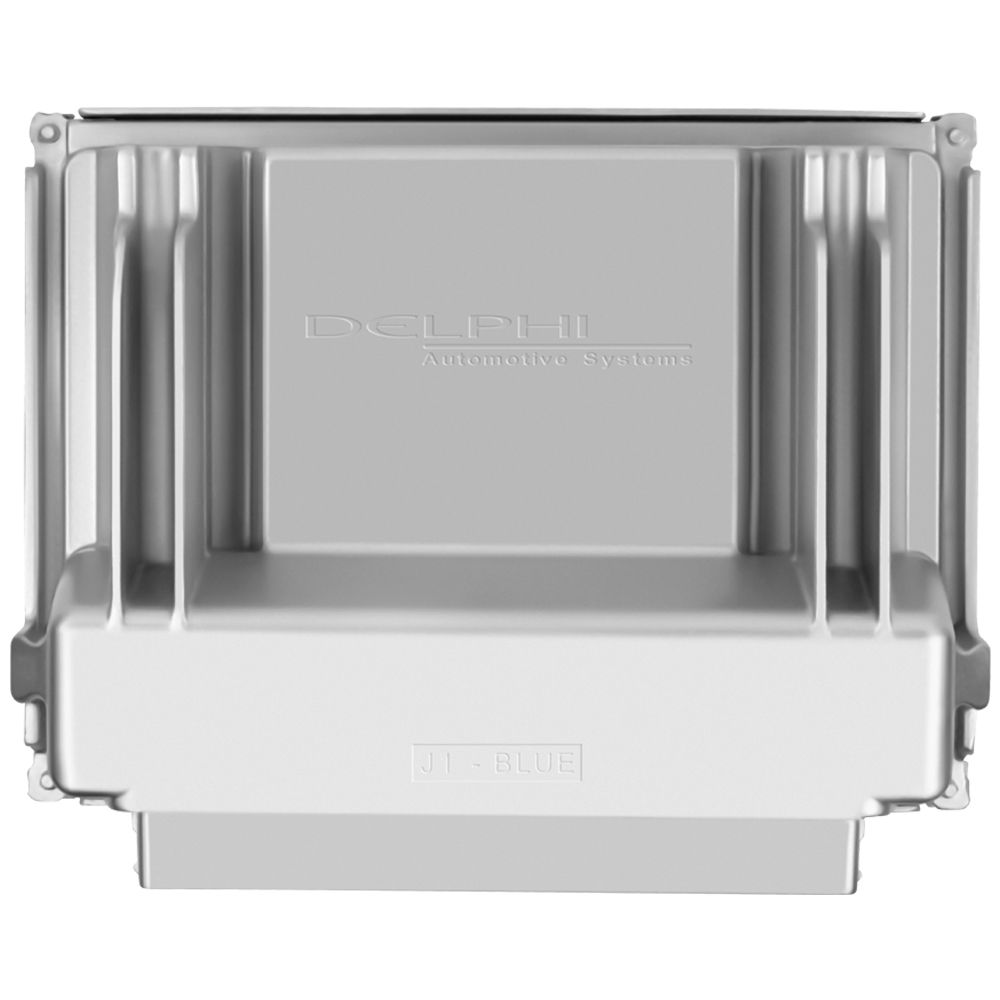
Flagship One stocks a refurbished, VIN-programmed PCM for the 2002 Chevrolet Impala with a lifetime warranty, free shipping and no core charge. The full Chevrolet Impala module lineup covers other engine configurations as well.
The Powertrain Control Module in your 2002 Chevrolet Impala plays a critical role in engine and transmission performance. If you’re experiencing drivability issues or warning lights, addressing PCM concerns promptly can restore smooth operation. Whether you opt for reprogramming or replacement, following factory procedures ensures reliable results. Keep your Impala running its best with proper maintenance and timely repairs.