
Last updated on August 25th, 2026 at 02:29 pm
The Powertrain Control Module (PCM) in your 2000 Chevrolet Impala manages engine and transmission functions. Failures may cause erratic performance, no-start conditions, or stored internal trouble codes related to memory or communication errors.
If your 2000 Chevrolet Impala is experiencing intermittent stalling, a no-start condition, or unexplained drivability issues, the Powertrain Control Module (PCM) may be at fault. This critical component oversees engine and transmission functions, and its failure can disrupt vehicle operation. Replacing or servicing the PCM involves specific steps to avoid data loss and ensure proper relearn procedures. Understanding these processes helps you avoid unnecessary delays and ensures your Impala runs reliably after the repair. This guide covers what the PCM does, where it’s located, and what to expect during replacement and programming.
The Powertrain Control Module (PCM) in your 2000 Chevrolet Impala acts as the brain for both the engine and transmission. It processes inputs from sensors to control fuel delivery, ignition timing, and shift points, ensuring optimal performance. A failing PCM may cause erratic behavior, such as poor acceleration, stalling, or even a complete no-start condition. Because the PCM also interacts with the vehicle’s security system, replacing it often requires reprogramming to match the vehicle’s original configurations. When sourcing a replacement, you’ll need replacement engine computers for the Impala to ensure compatibility and proper function.
2000 Chevrolet Impala
OEM programmed ECM for your 2000 Chevrolet Impala — plug & play, no dealer visit.
Free shipping · Lifetime warranty
In the 2000 Chevrolet Impala, the PCM is located near the engine bay, typically mounted to the firewall or inner fender. Replacing the module involves disconnecting the battery, removing the electrical connectors, and unbolting the unit from its mount. The labor time for removal and reinstallation is 1.2 hours. After installation, a 0.5-hour relearn procedure is required to synchronize the PCM with the vehicle’s systems. The factory cautions against disconnecting the battery or module without first capturing Freeze Frame data, as this may erase critical diagnostic information.
| Operation | Configuration | Book Time |
|---|---|---|
| Engine Control Module R&R | All configurations | 1.2 hr |
| Engine Control Module Relearn | All configurations | 0.5 hr |
| Powertrain Control Module R&R | All configurations | 1.2 hr |
| Powertrain Control Module Relearn | All configurations | 0.5 hr |
After replacing the PCM in your 2000 Chevrolet Impala, the factory requires reprogramming the Body Control Module (BCM) with the correct RPO configurations. Additionally, the vehicle must relearn the Passlock Sensor Data Code during the next ignition cycle from OFF to CRANK. These steps ensure the PCM communicates properly with the vehicle’s security and engine systems. However, if you install a VIN-programmed replacement unit, these programming steps are already completed, saving you time and reducing the risk of errors during the process.
A failing PCM in your 2000 Chevrolet Impala may cause a range of symptoms, including intermittent stalling, rough idle, or a no-start condition. You might also notice poor acceleration, erratic shifting, or the check engine light illuminating with internal module codes. Common trouble codes include memory integrity fault, which indicates a potential issue with the PCM’s internal memory. If the module loses communication with the scan tool, it may also trigger codes related to data link errors. Addressing these symptoms promptly can prevent further drivability issues.
The 2000 Chevrolet Impala’s PCM may store specific internal trouble codes when it experiences failures. These codes help diagnose issues related to memory, communication, or processing errors within the module itself.
Factory service bulletin #99-06-04-053 addresses PCM reprogramming procedures for the 2000 Chevrolet Impala. This bulletin provides guidance on updating the module’s software to resolve potential drivability or communication issues. Following the bulletin’s instructions ensures the PCM operates correctly with the vehicle’s systems after replacement or reprogramming.
| Bulletin | Subject | What It Addresses |
|---|---|---|
| 99-06-04-053 | Info – PCM Reprogramming – (Oct 26, 1999) | — |
Stalling after PCM replacement often occurs if the module isn’t properly programmed or if the Passlock sensor relearn procedure isn’t completed. The vehicle may also require a battery disconnect to reset the system fully. Ensure all relearn steps are followed to avoid this issue.
While the vehicle may still run with a P0601 code, it indicates a potential internal PCM failure. Driving with this code may lead to erratic behavior, poor performance, or a no-start condition. It’s best to address the issue promptly to avoid further complications.
Yes, the factory requires reprogramming the Body Control Module (BCM) with the correct RPO configurations after PCM replacement. This ensures the security and engine systems communicate properly. Skipping this step may result in starting or drivability issues.
If your 2000 Chevrolet Impala’s PCM has failed, you have options for replacement. A new or refurbished module can restore reliable operation, but ensure it’s programmed to match your vehicle’s VIN to avoid relearn complications. For a seamless repair, consider a pre-programmed unit to save time and reduce the risk of errors during installation.
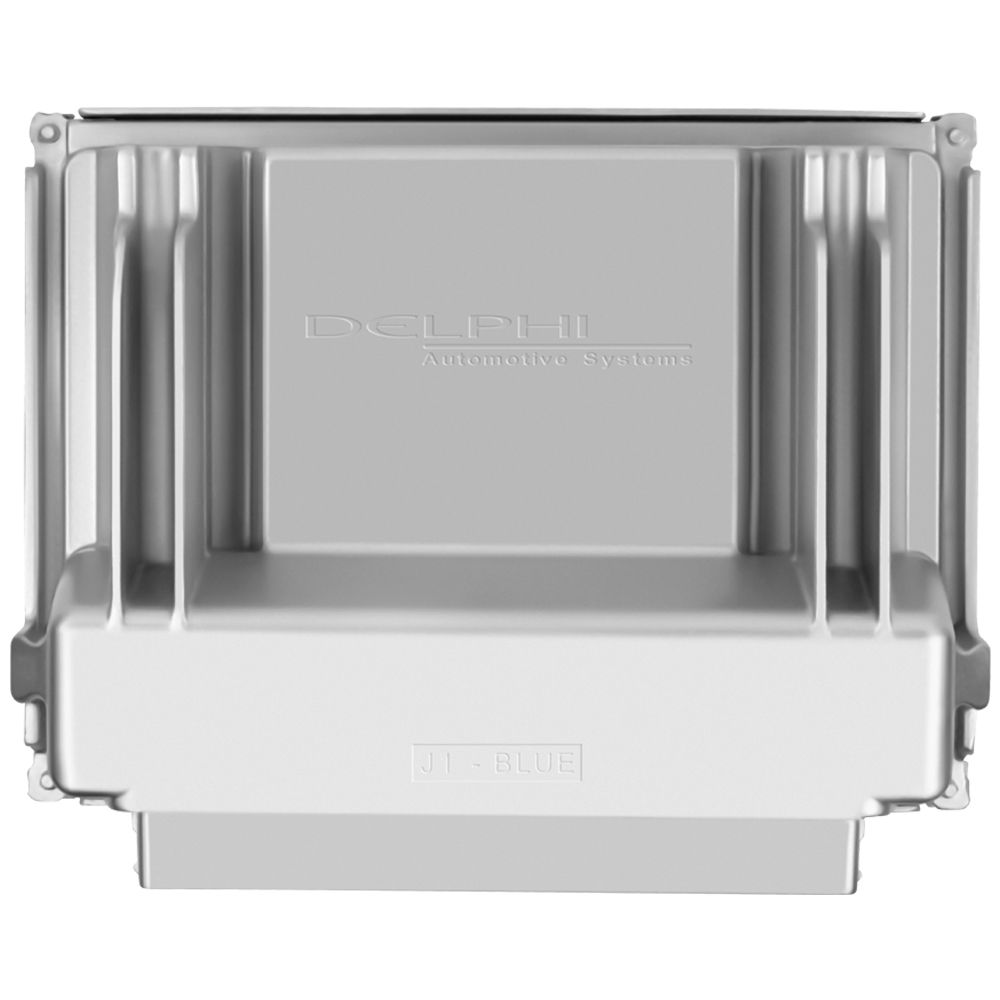
Flagship One stocks a refurbished, VIN-programmed PCM for the 2000 Chevrolet Impala with a lifetime warranty, free shipping and no core charge. The full Chevrolet Impala module lineup covers other engine configurations as well.
Replacing the PCM in your 2000 Chevrolet Impala requires careful attention to factory procedures to avoid data loss and ensure proper function. By following the correct steps and using a compatible replacement, you can restore your vehicle’s performance and reliability. If you’re unsure about the process, consult a professional to guide you through the repair.