
Last updated on August 25th, 2026 at 02:18 pm
In the 1995 Chevrolet Beretta, the Powertrain Control Module and Engine Control Module manage engine timing, fuel delivery, and transmission coordination. Failure of either unit can cause loss of power, stalling, or a complete no‑start condition, often accompanied by loss of diagnostic communication.
When a 1995 Chevrolet Beretta begins to hesitate, stall, or refuse to start, the underlying cause may be a malfunctioning engine or powertrain computer. Understanding how the ECM and PCM operate in this vehicle helps you assess the repair path and decide whether a new or refurbished unit is appropriate. This guide explains what the modules do, where they live, the labor involved, and how Flagship One’s pre‑programmed replacements simplify the process, giving you confidence in getting your car back on the road.
1995 Chevrolet Beretta
OEM programmed ECM for your 1995 Chevrolet Beretta — plug & play, no dealer visit.
Free shipping · Lifetime warranty
The Engine Control Module in the 1995 Chevrolet Beretta acts as the brain for the gasoline engine, interpreting sensor data to control fuel injection, ignition timing, and emissions. The Powertrain Control Module extends that role to the transmission, coordinating gear changes and torque converter lock‑up. Both modules are essential for smooth operation; any error in their logic can disrupt engine performance or shift timing. Because the Beretta predates OBD‑II, these computers rely on manufacturer‑specific protocols rather than standardized diagnostic codes. Maintaining accurate programming is crucial, and a correctly installed unit ensures the vehicle runs as engineered. replacement engine computers for the 1995 Chevrolet Beretta keep the powertrain synchronized and responsive.
The ECM and PCM are mounted within the passenger‑side footwell, attached to the vehicle’s wiring harness. Removing a unit typically involves disconnecting the battery, unplugging the connector, and unbolting the module. Labor guidelines assign 1.3 hours for each removal and replacement, reflecting the need to access the tight space and verify connector seating. After installing a new Powertrain Control Module, an additional 0.5‑hour relearn procedure is required to synchronize the transmission control logic with the engine. The process does not call for special torque specifications beyond securing the mounting bolts firmly.
| Operation | Configuration | Book Time |
|---|---|---|
| Engine Control Module R&R | All configurations | 1.3 hr |
| Powertrain Control Module R&R | All configurations | 1.3 hr |
| Powertrain Control Module Relearn | All configurations | 0.5 hr |
Factory service procedures for the 1995 Chevrolet Beretta call for a post‑install relearn of the Powertrain Control Module to ensure proper shift timing and engine response. Flagship One units arrive already VIN‑programmed, so the relearn step is the only factory requirement remaining. a VIN‑programmed replacement unit eliminates the need for external coding tools, allowing the technician to focus on the physical installation and the brief relearn cycle.
A failing ECM or PCM in a 1995 Chevrolet Beretta may present as intermittent no‑start conditions, rough idle, or unexpected stalling during acceleration. Drivers often notice erratic shifting or a transmission that stays in one gear, especially when the vehicle is warm. Loss of communication with a scan tool can also occur, making diagnostics more challenging. These symptoms typically point to internal module failure rather than external wiring issues, though checking connector integrity is still advisable.
The ECM controls fuel injection, ignition timing, and emissions monitoring. It processes sensor inputs to keep the engine running smoothly and efficiently.
Labor guidelines estimate about 1.3 hours for removal and installation, plus an additional 0.5 hour for the required relearn procedure.
Yes, Flagship One’s VIN‑programmed units arrive with the vehicle identification data pre‑loaded, so only the relearn step remains after installation.
Common signs include erratic shifting, transmission staying in one gear, or a loss of power that coincides with engine hesitation.
The service information does not specify a torque value; securing the mounting bolts firmly is sufficient.
When the engine or powertrain computer in your 1995 Chevrolet Beretta needs attention, you can choose between a brand‑new unit or a refurbished replacement. Both options restore the vehicle’s original performance, but a refurbished part from Flagship One offers a cost‑effective solution with factory‑level programming already applied.
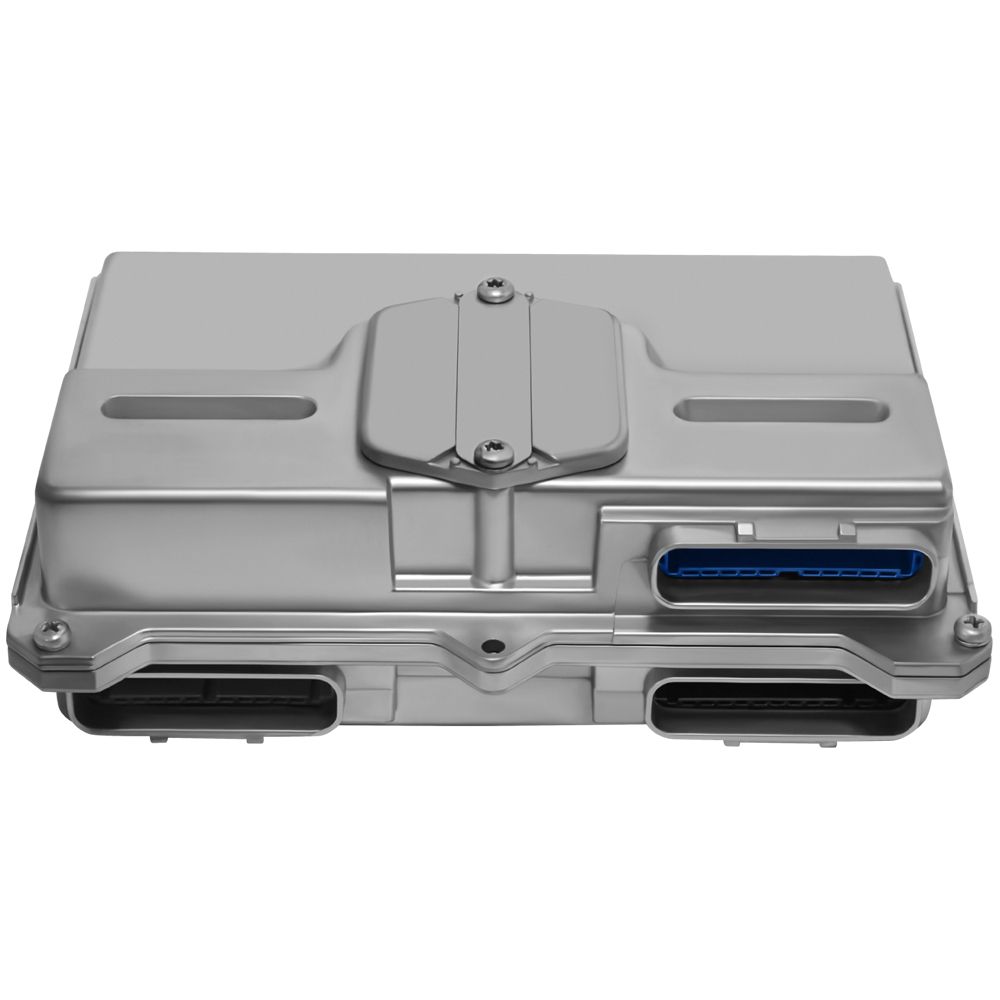
Flagship One stocks a refurbished, VIN-programmed PCM for the 1995 Chevrolet Beretta with a lifetime warranty, free shipping and no core charge. The full Chevrolet Beretta module lineup covers other engine configurations as well.
Replacing the ECM or PCM in a 1995 Chevrolet Beretta can resolve no‑start, stalling, and shifting issues. Consider a Flagship One unit to simplify the post‑install steps and get your car running reliably again.