
Last updated on August 25th, 2026 at 02:31 pm
The engine control module (ECM) in your 1994 Chevrolet Corvette manages fuel delivery, ignition timing, and emissions systems. Failures may cause erratic engine behavior, stalling, or a complete no-start condition, often tied to electrical or internal component wear.
If your 1994 Chevrolet Corvette has been acting up—stalling unexpectedly, refusing to start, or running roughly—it may be time to consider the engine control module (ECM). This small but critical computer governs how your Corvette’s 5.7L V8 operates, from fuel delivery to ignition timing. When it fails, the symptoms can range from subtle performance issues to a complete breakdown. Replacing the ECM isn’t just about swapping a part; it involves understanding its role, locating it in your vehicle, and ensuring it’s properly programmed to communicate with the rest of the engine systems. This guide will walk you through what the ECM does, where it’s installed, how to recognize failure signs, and what to expect during replacement. Whether you’re a DIY enthusiast or planning to visit a shop, knowing these details helps you make informed decisions and avoid unnecessary delays or costs.
1994 Chevrolet Corvette
OEM programmed ECM for your 1994 Chevrolet Corvette — plug & play, no dealer visit.
Free shipping · Lifetime warranty
The engine control module in your 1994 Chevrolet Corvette serves as the brain of the engine management system. It continuously monitors inputs from sensors—like the throttle position, oxygen levels, and coolant temperature—to adjust fuel injection, ignition timing, and idle speed in real time. Without a functioning ECM, your Corvette’s engine may run inefficiently or fail to start altogether. This module is particularly important in a high-performance vehicle like the Corvette, where precise control over air-fuel ratios and timing directly impacts power delivery and drivability. Over time, exposure to heat, vibration, or electrical fluctuations can degrade the ECM’s internal components, leading to intermittent or permanent failures. When replacement becomes necessary, opting for replacement engine computers for the Corvette ensures compatibility and reliability, as these units are designed to meet the specific demands of your vehicle’s engine and transmission setup.
In the 1994 Chevrolet Corvette, the ECM is mounted inside the passenger compartment, typically behind the right-side kick panel or under the dashboard. Accessing it requires removing interior trim panels, which adds minimal complexity to the replacement process. According to factory labor estimates, removing and reinstalling the ECM takes approximately 0.9 hours. The Powertrain Control Module (PCM), which may also be present in some configurations, follows a similar location and labor time of 0.8 hours for replacement. Once the old module is disconnected, the new unit can be installed by securing it in place and reconnecting the wiring harness. No specialized tools are required beyond basic hand tools, though care should be taken to avoid damaging connectors or surrounding components during removal.
| Operation | Configuration | Book Time |
|---|---|---|
| Engine Control Module R&R | All configurations | 0.9 hr |
| Powertrain Control Module R&R | All configurations | 0.8 hr |
| Powertrain Control Module Relearn | All configurations | 0.5 hr |
After installing a new ECM in your 1994 Chevrolet Corvette, a factory relearn procedure is required to synchronize the module with the vehicle’s systems. This process, which typically takes about 0.5 hours, ensures the ECM recognizes sensor inputs and adjusts engine parameters correctly. Without this step, your Corvette may experience poor performance, stalling, or even a no-start condition. However, when you choose a VIN-programmed replacement unit, the relearn is already completed at the factory, saving you time and eliminating the need for additional programming steps. This means your Corvette can be back on the road faster, with the new ECM fully calibrated to your vehicle’s specifications right out of the box.
When the ECM in your 1994 Chevrolet Corvette begins to fail, the symptoms can vary but often include noticeable drivability issues. A common early sign is intermittent stalling, particularly at idle or during deceleration, as the module struggles to maintain stable engine operation. You may also experience rough idling, hesitation during acceleration, or a complete failure to start, which can leave you stranded. In some cases, the engine may run excessively rich or lean, leading to poor fuel economy or even fouled spark plugs. Electrical issues, such as erratic gauge readings or a check engine light, can also point to ECM problems. If the module loses communication with the vehicle’s sensors, you might notice shifting issues in the transmission or a lack of response from the throttle. One specific fault that may arise is an internal control module memory check error, which indicates the ECM’s self-diagnostic system has detected a problem with its own memory or processing. Addressing these symptoms promptly can prevent further damage to other engine components and restore your Corvette’s performance.
ECM failures often mimic other problems, like fuel pump or ignition system issues. Start by checking for consistent symptoms, such as stalling or no-start conditions, and verify that all sensors and wiring are functioning properly. If other components test fine, the ECM may be the culprit. A professional scan tool can help confirm by checking for communication errors or stored faults.
Replacing the ECM is straightforward if you’re comfortable with basic automotive repairs. The module is accessible behind the dashboard, and the process involves removing trim panels and disconnecting the wiring harness. However, if you’re unsure about handling electrical components or performing the relearn procedure, a shop can complete the job efficiently.
Skipping the relearn procedure may result in poor engine performance, stalling, or a no-start condition. The ECM needs to synchronize with the vehicle’s sensors and systems to operate correctly. Without this step, the module may not adjust fuel delivery, ignition timing, or idle speed properly, leading to drivability issues.
Early signs of ECM failure can include intermittent stalling, rough idling, or hesitation during acceleration. You might also notice the check engine light illuminating or the vehicle running unusually rich or lean. If these symptoms appear, it’s worth inspecting the ECM and its connections before the issue worsens.
In this vehicle, the ECM primarily manages engine functions like fuel injection, ignition timing, and emissions systems. However, it also communicates with the transmission control module to ensure smooth shifting. A failing ECM can indirectly affect transmission performance, leading to rough or delayed gear changes.
When your 1994 Chevrolet Corvette’s ECM fails, you have options for replacement. A new OEM unit ensures compatibility but may come with a higher cost and require additional programming. Alternatively, a refurbished or remanufactured ECM can offer a reliable, cost-effective solution, especially when pre-programmed to your VIN. This eliminates the need for post-installation relearn procedures, getting your Corvette back on the road faster. Consider your budget, time constraints, and long-term reliability when choosing the best approach for your vehicle.
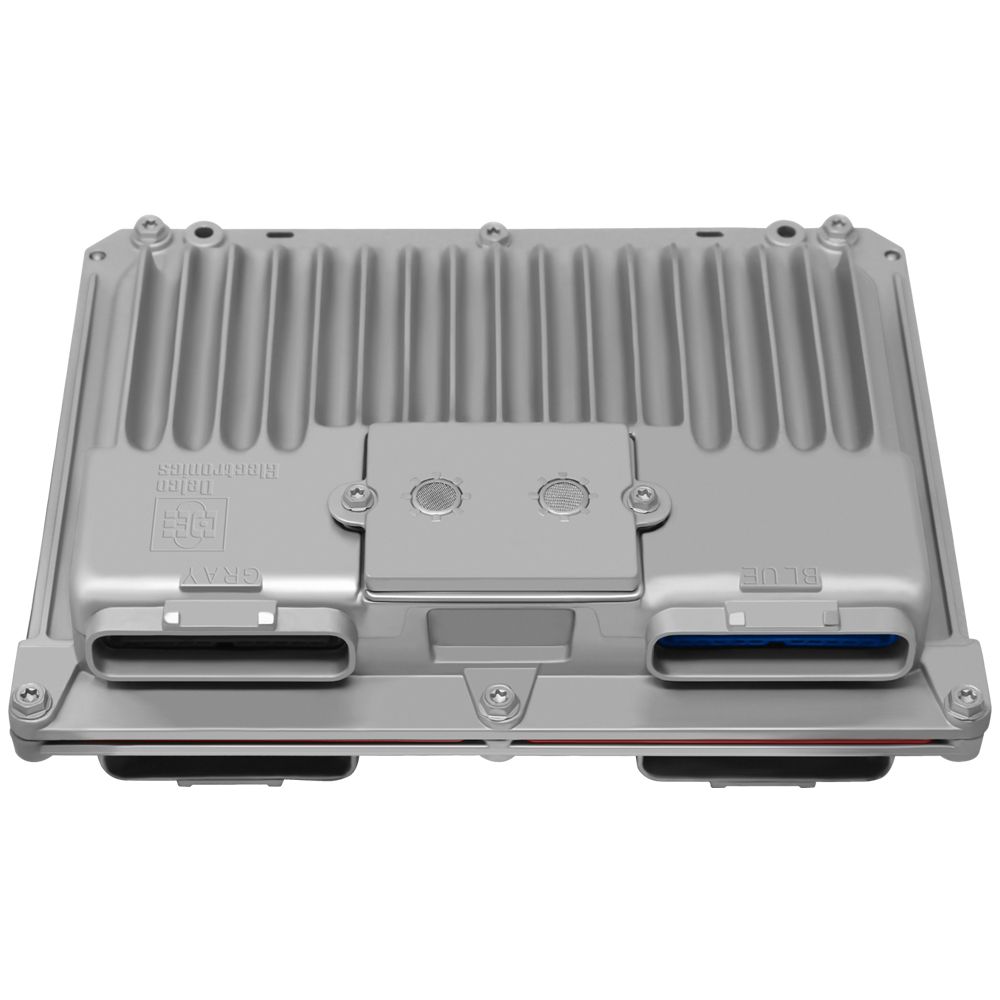
Flagship One stocks a refurbished, VIN-programmed PCM for the 1994 Chevrolet Corvette with a lifetime warranty, free shipping and no core charge. The full Chevrolet Corvette module lineup covers other engine configurations as well.
The ECM in your 1994 Chevrolet Corvette plays a vital role in keeping your engine running smoothly. Recognizing the signs of failure—such as stalling, rough idling, or a no-start condition—can help you address issues before they leave you stranded. Whether you opt for a DIY replacement or professional installation, understanding the process and requirements ensures a successful repair. With the right replacement unit, your Corvette can continue delivering the performance and reliability you expect.