
Last updated on August 25th, 2026 at 02:33 pm
In the 2017 Cadillac CTS the Engine Control Module manages fuel injection, ignition timing and emissions monitoring. A failure typically disables communication with the powertrain, causing loss of driveability and triggering multiple diagnostic codes.
When a 2017 Cadillac CTS experiences intermittent stalling, no‑start conditions, or a cascade of diagnostic codes, the Engine Control Module is often the root cause. This guide explains what the ECM does, how to locate and replace it, and what programming steps are required afterward. By following these steps you can ensure a reliable repair and keep your vehicle’s performance on target.
The Engine Control Module in the 2017 Cadillac CTS monitors sensor inputs and commands actuators to keep the engine running smoothly. It processes data from the throttle, crankshaft, camshaft and emissions sensors, then adjusts fuel delivery and ignition timing accordingly. A malfunction can interrupt this communication, leading to loss of power or error codes. Understanding its role helps you see why proper installation is critical. replacement engine control modules for the 2017 Cadillac CTS ensures the vehicle regains full electronic control.
The ECM is mounted within the engine compartment, attached to the wiring harness near the firewall. Removal involves disconnecting the power source, then unplugging the ECM connectors with the ignition off, as required by the factory caution. Reinstallation follows the reverse order, securing the module with the same fasteners used originally. The labor guide lists the replacement time for the 2.0L version at 0.6 hours, reflecting the straightforward access once the connectors are disengaged.
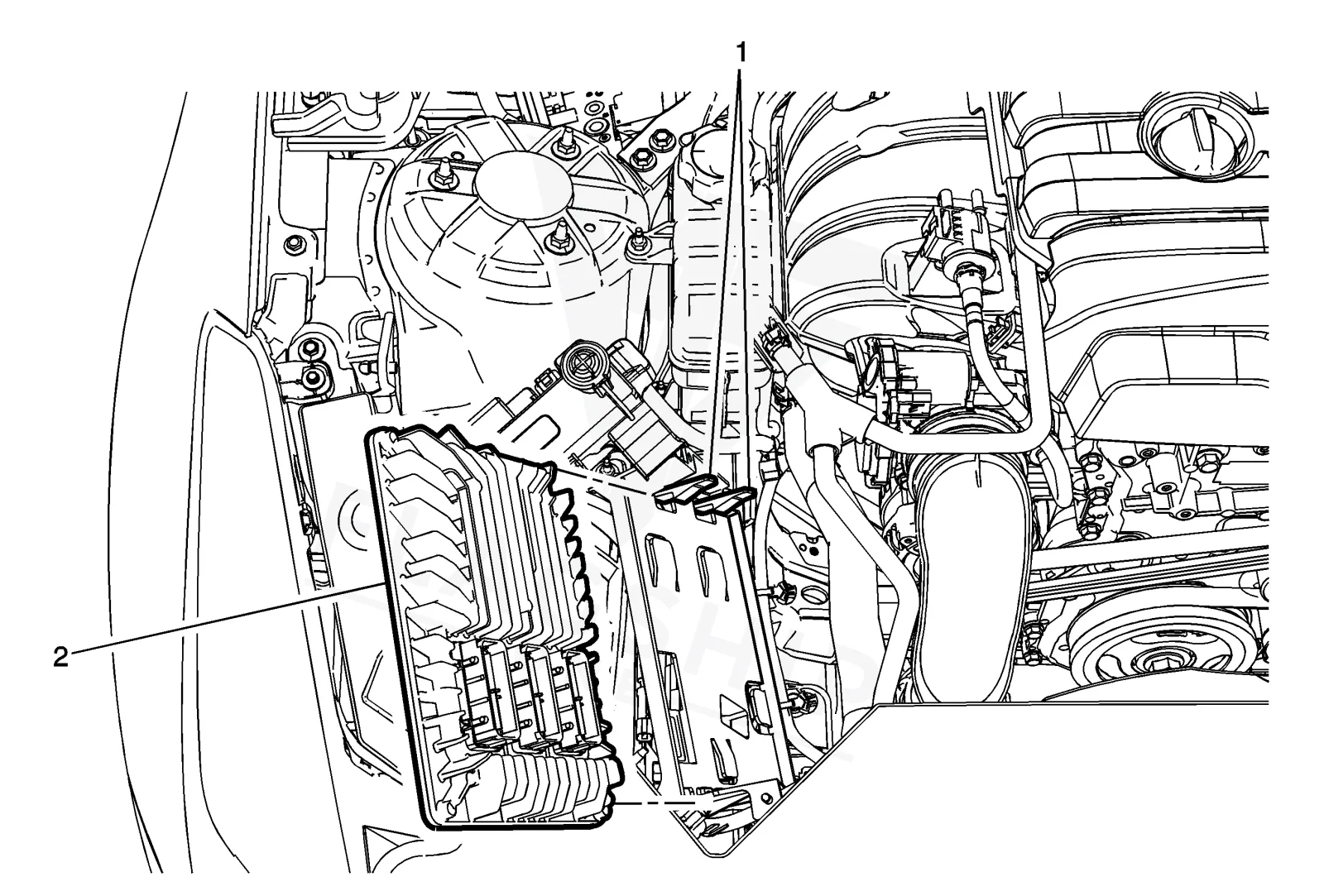
Work with the ignition off, and treat the module as static-sensitive: avoid touching the connector pins at any point.
| Operation | Configuration | Book Time |
|---|---|---|
| Engine Control Module R&R | 3.6L | 1.5 hr |
| Engine Control Module R&R | 6.2L | 0.6 hr |
| Engine Control Module R&R | 2.0L | 0.6 hr |
| Engine Control Module Relearn | All configurations | 0.5 hr |
| Engine Control Module Reset | All configurations | 0.3 hr |
| Powertrain Control Module R&R | 3.6L | 1.5 hr |
| Powertrain Control Module R&R | 2.0L | 0.6 hr |
| Powertrain Control Module R&R | 6.2L | 0.6 hr |
2017 Cadillac CTS
OEM programmed ECM for your 2017 Cadillac CTS — plug & play, no dealer visit.
Free shipping · Lifetime warranty
After the ECM is physically replaced, the factory procedure calls for a relearn cycle lasting about 0.5 hours, or a simple reset of 0.3 hours if the module is pre‑programmed. Flagship One units arrive already calibrated, so the technician can skip the VIN‑coding step. Using a VIN-programmed replacement unit means the post‑install programming is essentially complete, reducing shop time.
Typical signs of a failing ECM in the 2017 Cadillac CTS include a complete no‑start condition, erratic idle, loss of power during acceleration, and multiple fault codes appearing on the scan tool. You may also notice transmission shifting irregularities because the powertrain control relies on ECM data. One common diagnostic is communication error, which indicates a problem with the module’s internal processing.
The following diagnostic trouble codes are commonly stored by the ECM in the 2017 Cadillac CTS when a fault occurs:
Service Bulletin #18095, dated June 11, 2018, advises that the ECM’s OBD memory will be cleared after programming other modules, requiring a reset or relearn step to restore proper operation.
| Bulletin | Subject | What It Addresses |
|---|---|---|
| — | Service Update – ECM OBD Memory Cleared After Programming of Other Modules – (Jun 11, 2018) | — |
The factory labor guide lists 0.6 hours for removal and installation of the engine control module on the 2.0L engine.
A standard scan tool can perform the ECM reset or relearn procedure; no proprietary equipment is required.
Yes, because the ECM supplies data to the transmission controller, a malfunction can lead to harsh or delayed shifts.
When the ECM in your 2017 Cadillac CTS needs attention, you can choose a brand‑new factory‑spec unit or a refurbished replacement that meets original specifications. Both options restore engine management, but a refurbished module may offer cost savings while still delivering reliable performance for this model.
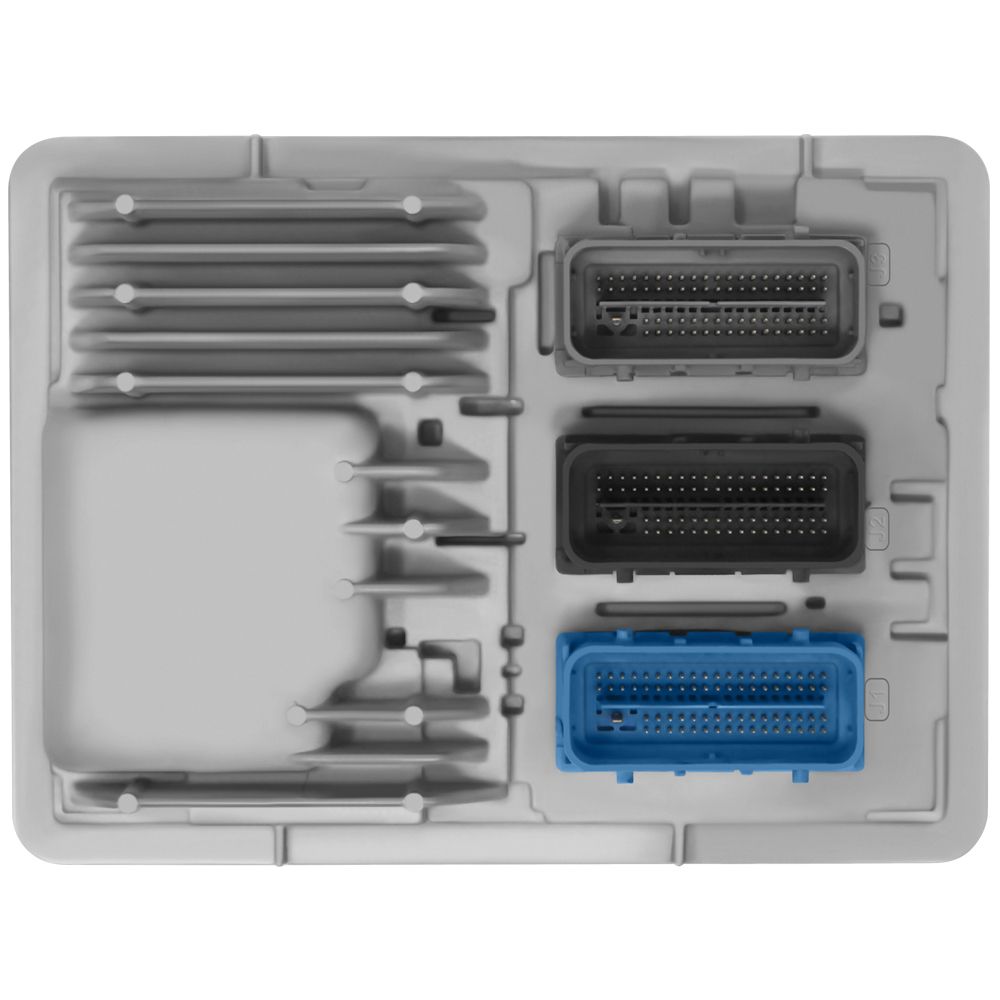
Flagship One stocks a refurbished, VIN-programmed PCM for the 2017 Cadillac CTS with a lifetime warranty, free shipping and no core charge. The full Cadillac CTS module lineup covers other engine configurations as well.
The Engine Control Module is essential to the 2017 Cadillac CTS’s operation. Whether you opt for a new or refurbished unit, proper removal, installation and post‑install steps will keep your vehicle running smoothly. Consider your repair goals and choose the solution that fits your budget and timeline.