
Last updated on August 25th, 2026 at 02:33 pm
The Engine Control Module (ECM) in your 2015 Cadillac CTS 2.0L acts as the vehicle’s brain, managing fuel injection, ignition timing, and emissions systems. Failure may cause erratic engine behavior, no-start conditions, or stored trouble codes.
If your 2015 Cadillac CTS 2.0L is experiencing unexplained stalling, a no-start condition, or persistent check-engine lights, the Engine Control Module (ECM) may be at fault. This critical component oversees engine performance by regulating fuel delivery, ignition timing, and emissions controls. Replacing it involves precise steps to avoid additional issues, including capturing data before removal and performing a relearn procedure afterward. Understanding the process helps you anticipate labor times and avoid common pitfalls, ensuring your vehicle returns to reliable operation without unnecessary delays.
The Engine Control Module in your 2015 Cadillac CTS 2.0L serves as the central processor for engine management. It interprets signals from sensors to optimize fuel mixture, spark timing, and idle speed, directly impacting performance and efficiency. When this module fails, you may notice hesitation, misfires, or even a complete loss of power. Replacing it requires replacement engine computers for the CTS that match the original specifications. Without proper calibration, the new module may not communicate correctly with the vehicle’s other systems, leading to further drivability issues.
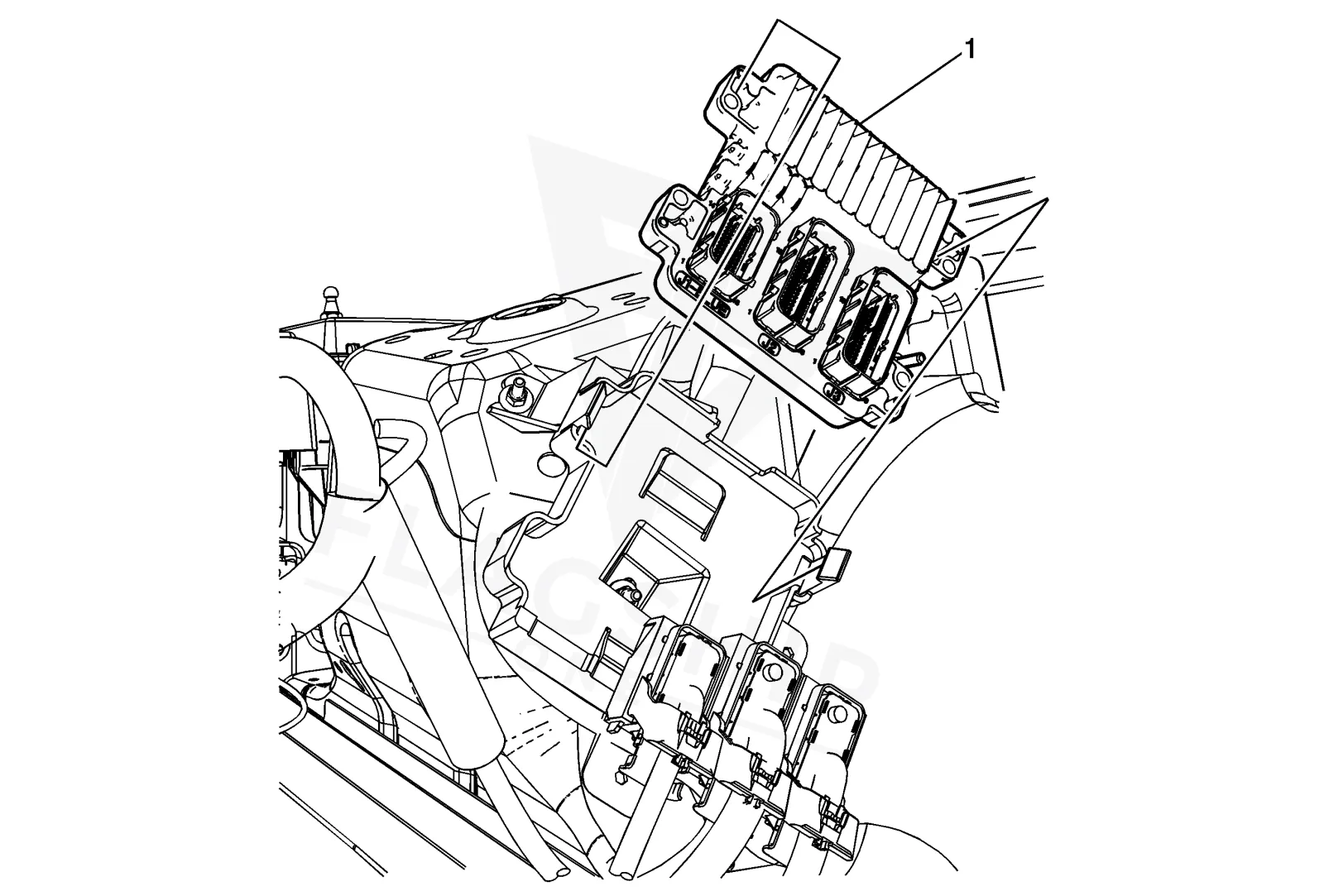
The ECM in the 2015 Cadillac CTS 2.0L is located near the engine bay, typically mounted on the firewall or inner fender. Accessing it involves removing the engine cover and disconnecting the battery to prevent electrical issues. Replacement labor is quoted at 0.6 hours, which includes unbolting the module, disconnecting the wiring harness, and installing the new unit. After installation, a relearn procedure of 0.5 hours is required to synchronize the module with the vehicle’s systems. No additional torque specifications are provided for this process.
| Operation | Configuration | Book Time |
|---|---|---|
| Engine Control Module R&R | 6.2L | 0.6 hr |
| Engine Control Module R&R | 3.6L | 1.5 hr |
| Engine Control Module R&R | 2.0L | 0.6 hr |
| Engine Control Module Relearn | All configurations | 0.5 hr |
| Engine Control Module Reset | All configurations | 0.3 hr |
| Powertrain Control Module R&R | 6.2L | 0.6 hr |
| Powertrain Control Module R&R | 2.0L | 0.6 hr |
| Powertrain Control Module R&R | 3.6L | 1.5 hr |
2015 Cadillac CTS 2.0L
OEM programmed ECM for your 2015 Cadillac CTS 2.0L — plug & play, no dealer visit.
Free shipping · Lifetime warranty
After replacing the ECM in your 2015 Cadillac CTS 2.0L, the factory procedure mandates a relearn process, which typically takes 0.5 hours. This step ensures the module communicates properly with the vehicle’s sensors and transmission. However, if you install a VIN-programmed replacement unit, this step is already completed, saving you time and potential dealer visits. The factory also requires capturing ECM data before removal to preserve vehicle-specific settings, which can be done using a scan tool.
A failing ECM in your 2015 Cadillac CTS 2.0L may cause a range of symptoms, from intermittent stalling to a complete no-start condition. You might also experience rough idling, poor acceleration, or the illumination of the check-engine light. Common trouble codes associated with ECM failure include internal control module memory checksum error, which indicates a fault in the module’s memory. Other symptoms may include erratic shifting or the vehicle entering a limp-home mode to prevent further damage.
The 2015 Cadillac CTS 2.0L may log several module-internal trouble codes when the ECM begins to fail. These codes often point to memory corruption, communication errors, or sensor synchronization issues.
Factory service bulletins for the 2015 Cadillac CTS 2.0L highlight potential ECM programming challenges. Bulletin #PIP5597 notes that technicians may be prompted to input the engine identification number during programming. Another bulletin, #PI1353, addresses instances where the ECM label may display an incorrect service part number, which could lead to confusion during replacement. These bulletins emphasize the importance of verifying module compatibility and following updated programming procedures.
| Bulletin | Subject | What It Addresses |
|---|---|---|
| — | Engine identification Number Requested When Programming ECM – (Oct 8, 2018) | During the programming of some ECM’s, the technician may be prompted to input the engine identification |
| — | Information on Incorrect Service Part Number on ECM Label – (Nov 10, 2014) | — |
The relearn procedure synchronizes the new ECM with the vehicle’s sensors and transmission. This ensures proper communication and prevents drivability issues like stalling or erratic shifting. The process typically takes 0.5 hours and is required by the factory to restore full functionality.
While the physical replacement is straightforward, the factory requires a relearn procedure afterward. If you’re not equipped to perform this step, a professional technician should handle the installation. Using a VIN-programmed replacement unit can eliminate the need for post-install programming.
Common causes include voltage spikes from a failing alternator, corrosion in electrical connections, or moisture intrusion. Internal memory corruption or manufacturing defects may also lead to failure. Addressing these issues promptly can extend the life of the replacement module.
If your 2015 Cadillac CTS 2.0L is experiencing ECM-related issues, you have options. A dealer replacement may involve additional programming steps, while a refurbished or new VIN-programmed unit can simplify the process. Consider the labor times and potential downtime when deciding between repair and replacement, ensuring your vehicle returns to reliable operation quickly.
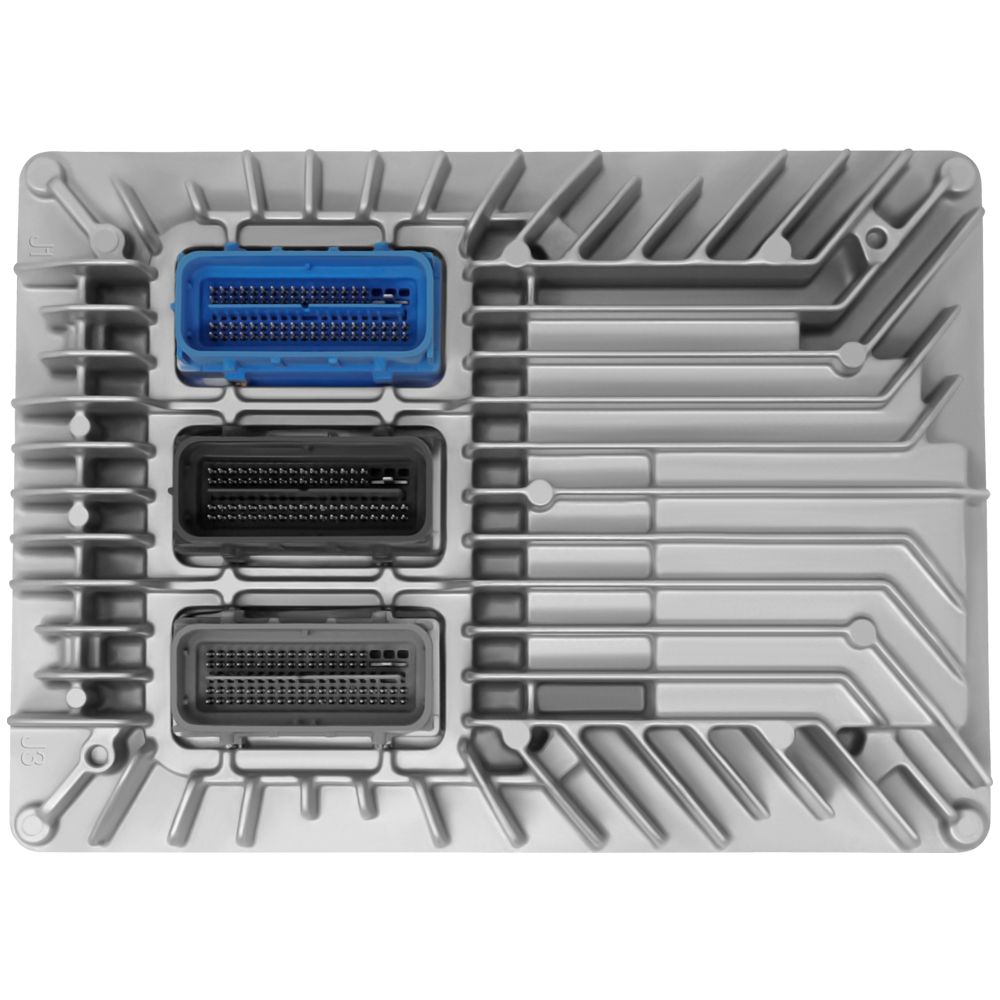
Flagship One stocks a refurbished, VIN-programmed PCM for the 2015 Cadillac CTS with a lifetime warranty, free shipping and no core charge. The full Cadillac CTS module lineup covers other engine configurations as well.
The Engine Control Module in your 2015 Cadillac CTS 2.0L plays a critical role in maintaining smooth engine performance. If you’re facing symptoms like stalling or a no-start condition, replacement may be necessary. Understanding the process, labor times, and programming requirements helps you make an informed decision, ensuring your CTS runs reliably for miles to come.