
Last updated on August 25th, 2026 at 02:16 pm
The Powertrain Control Module (PCM) in the 1999 Cadillac Seville manages fuel delivery, ignition timing, and transmission shifts. Failures may stem from voltage spikes, corrosion, or internal memory faults, often triggering drivability symptoms or diagnostic trouble codes.
If your 1999 Cadillac Seville has been stalling, misfiring, or throwing cryptic check-engine lights, the Powertrain Control Module (PCM) may be the culprit. This small but critical computer oversees everything from fuel injection to transmission shifts, and when it fails, your vehicle’s performance can suffer in frustrating ways. Replacing it isn’t just about swapping a part—it involves careful disconnection, programming, and relearning steps to ensure the new module communicates properly with the rest of the system. Understanding the process helps you avoid pitfalls like lost diagnostic data or incorrect oil-life settings, which can lead to unnecessary maintenance alerts. Whether you’re diagnosing an existing issue or preparing for a future repair, knowing what to expect with the PCM in your Seville can save time, money, and headaches down the road.
The Powertrain Control Module (PCM) in your 1999 Cadillac Seville acts as the brain of the engine and transmission, coordinating fuel delivery, ignition timing, and shift points to keep the 4.6L Northstar V8 running smoothly. It constantly adjusts these parameters based on sensor inputs like throttle position, oxygen levels, and engine temperature, ensuring optimal performance and emissions compliance. When the PCM malfunctions, you may notice symptoms like rough idling, poor acceleration, or even a no-start condition, as the engine struggles without proper guidance. The module also stores critical diagnostic data, including Freeze Frame records, which technicians rely on to pinpoint intermittent issues. If you’re considering a replacement, replacement engine computers for the Seville are designed to restore factory-level functionality, but they must be programmed to your vehicle’s VIN to avoid default settings that could disrupt normal operation.
1999 Cadillac Seville
OEM programmed ECM for your 1999 Cadillac Seville — plug & play, no dealer visit.
Free shipping · Lifetime warranty
The PCM in your 1999 Cadillac Seville is mounted near the air cleaner assembly, making it relatively accessible compared to some vehicles where the module is buried under the dashboard or behind the glove box. To replace it, you’ll need to disconnect the battery and remove the air cleaner housing to reach the module’s connectors and mounting bolts. The factory procedure specifies that the ignition must be in the LOCK position during disconnection to prevent internal damage to the PCM. Labor times for removal and reinstallation are typically 1.3 hours, according to industry-standard guides. After installation, the module must undergo a relearn procedure, which adds another 0.5 hours to the process. This step ensures the PCM synchronizes with the engine’s sensors and transmission, allowing for smooth operation. Torque specifications for the mounting bolts are critical to avoid over-tightening, which could damage the module or its mounting bracket.
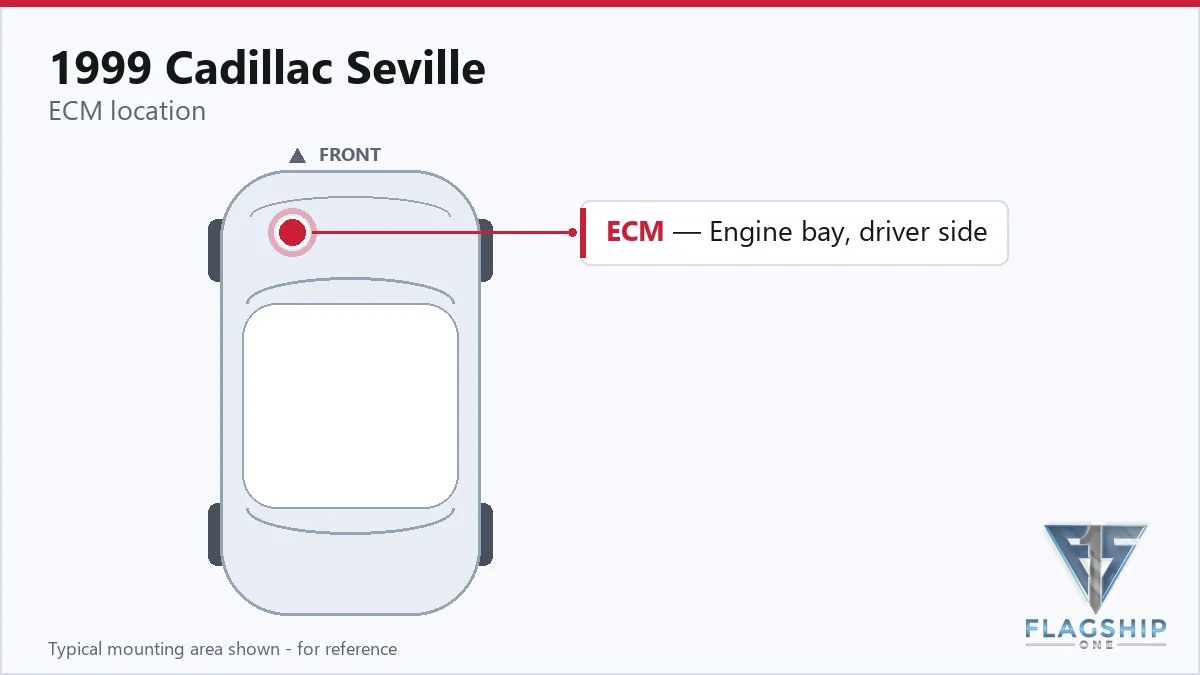
Work with the ignition off, and treat the module as static-sensitive: avoid touching the connector pins at any point.
| Operation | Configuration | Book Time |
|---|---|---|
| Powertrain Control Module R&R | All configurations | 1.3 hr |
| Powertrain Control Module Relearn | All configurations | 0.5 hr |
| Engine Control Module R&R | All configurations | 1.3 hr |
| Engine Control Module Relearn | All configurations | 0.5 hr |
After installing a new PCM in your 1999 Cadillac Seville, the factory procedure requires programming the module to your vehicle’s VIN using the latest Techline software. This step is non-negotiable—without it, the PCM may default to generic settings, such as resetting the engine oil life to 100%, which could lead to premature or delayed oil changes. The programming process also ensures the module recognizes your specific engine and transmission configurations, preventing issues like erratic shifting or incorrect fuel trim. If you opt for a VIN-programmed replacement unit, these steps are already completed, saving you the hassle of visiting a dealer or shop for flashing. However, you’ll still need to perform a relearn procedure, which typically takes 0.5 hours, to synchronize the new PCM with the vehicle’s sensors and systems. Skipping this step may result in poor drivability, as the engine and transmission won’t communicate effectively.
When the PCM in your 1999 Cadillac Seville begins to fail, you may notice a range of symptoms that can mimic other issues, making diagnosis tricky. Common signs include intermittent stalling, especially at idle or during deceleration, as the module loses its ability to regulate fuel and ignition timing. The engine may also misfire or hesitate under acceleration, often accompanied by a check-engine light. In some cases, the transmission may shift erratically or fail to engage gears properly, as the PCM controls shift points based on engine load and speed. Another telltale sign is a no-start condition, where the engine cranks but doesn’t fire, indicating the PCM isn’t sending the correct signals to the fuel injectors or ignition coils. Scan-tool communication may also be lost, leaving you unable to retrieve diagnostic trouble codes. If your Seville throws a PCM internal memory fault, it’s a strong indicator that the module’s memory has been corrupted, often due to voltage spikes or age-related wear. Other codes, such as those related to fuel trim or transmission pressure, may also point to PCM issues, especially if they appear alongside drivability problems.
The 1999 Cadillac Seville’s PCM may log specific trouble codes when internal faults occur. These codes help technicians diagnose whether the module itself is failing or if another component is causing the issue. Below is the documented module-internal trouble code for this vehicle.
| Code | Meaning | Full Guide |
|---|---|---|
| P0601 | Internal memory checksum error | Full P0601 guide → |
General Motors issued a service bulletin (#99-06-04-053) in October 1999 addressing PCM reprogramming procedures for the 1999 Cadillac Seville. The bulletin outlines the steps technicians should follow to update the module’s software using the latest Techline programming tools. While the bulletin doesn’t specify a particular failure, it emphasizes the importance of using current software to avoid drivability issues or diagnostic inaccuracies. If your Seville is experiencing PCM-related symptoms, this bulletin may be relevant to your repair process, as reprogramming could resolve certain software-related faults without requiring a full module replacement.
| Bulletin | Subject | What It Addresses |
|---|---|---|
| 99-06-04-053 | Info – PCM Reprogramming – (Oct 26, 1999) | — |
The PCM controls fuel injection and ignition timing, so when it malfunctions, it may send incorrect signals to the engine, causing stalling. This often happens at idle or during deceleration, as the module struggles to maintain stable combustion. A failing PCM may also disrupt communication with the transmission, leading to erratic shifting or engine cutouts.
While your Seville may still run with a P0601 code, it’s not ideal for long-term driving. This code indicates an internal memory fault in the PCM, which can lead to unpredictable behavior like stalling, misfires, or poor acceleration. Addressing it promptly prevents further damage to the module or other components.
Without programming, the new PCM won’t recognize your vehicle’s VIN or specific configurations, leading to default settings. This may reset the engine oil life to 100%, causing unnecessary maintenance alerts, and could result in poor drivability, such as erratic shifting or incorrect fuel trim. Programming ensures the module works seamlessly with your engine and transmission.
PCM failure often presents as a combination of symptoms, such as stalling, misfires, and transmission shifting issues. If your scan tool can’t communicate with the PCM or logs a P0601 code, it’s a strong indicator of module failure. However, other issues like faulty sensors or wiring problems can mimic these symptoms, so a thorough diagnosis is essential.
Disconnecting the PCM with the ignition on can cause voltage spikes that damage the module’s internal circuits. The factory specifies turning the ignition to the LOCK position to prevent this, as it cuts power to sensitive components. This precaution also applies to disconnecting the battery or PCM connectors.
If your 1999 Cadillac Seville is showing signs of PCM failure, you have options beyond a costly dealer replacement. A refurbished or new replacement module can restore your vehicle’s performance, but it must be programmed to your VIN to avoid default settings like incorrect oil-life readings. Opting for a pre-programmed unit eliminates the need for dealer flashing, saving time and ensuring a smoother installation. Whether you’re tackling the job yourself or leaving it to a shop, understanding the process helps you make an informed decision and avoid common pitfalls.
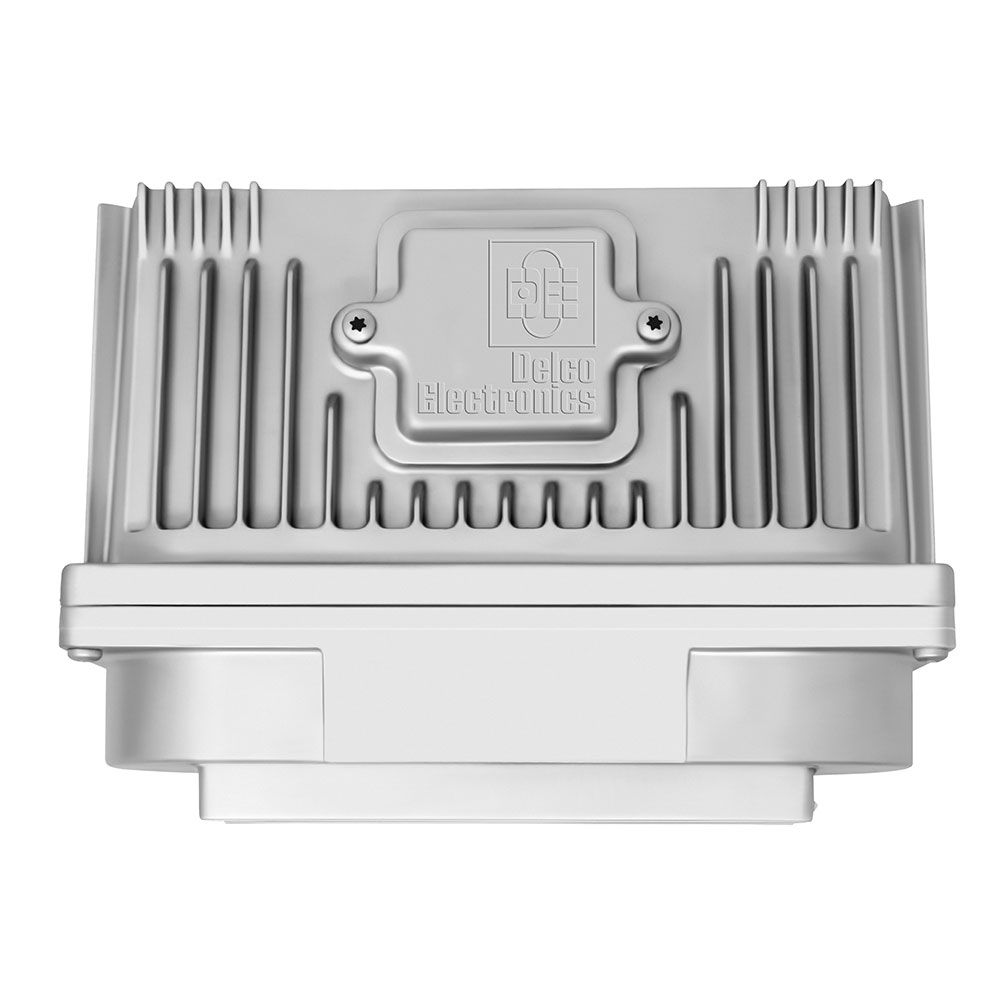
Flagship One stocks a refurbished, VIN-programmed PCM for the 1999 Cadillac Seville with a lifetime warranty, free shipping and no core charge. The full Cadillac Seville module lineup covers other engine configurations as well.
The PCM in your 1999 Cadillac Seville plays a vital role in keeping your engine and transmission running smoothly, and when it fails, the symptoms can be frustrating and unpredictable. From stalling to misfires, these issues often stem from internal faults or voltage-related damage, making timely replacement essential. By understanding the location, labor times, and programming requirements, you can approach the repair with confidence, whether you’re handling it yourself or working with a technician. If you’re ready to restore your Seville’s performance, a VIN-programmed replacement module ensures a seamless transition and long-term reliability.