
Last updated on August 25th, 2026 at 02:41 pm
The Powertrain Control Module (PCM) in your 1993 Buick Regal manages fuel delivery, ignition timing, and emissions systems. Failures may cause hard starts, stalling, or poor drivability without triggering obvious dashboard warnings.
If your 1993 Buick Regal struggles with rough idling, stalling, or refuses to start, the Powertrain Control Module (PCM) may be the culprit. This small computer manages critical engine functions, and when it fails, symptoms can mimic other issues. Understanding its role, location, and proper replacement steps helps you avoid unnecessary repairs. This guide explains what the PCM does, how to recognize its failures, and what to expect during service—so you can make informed decisions about your vehicle’s needs.
The PCM in your 1993 Buick Regal acts as the brain for engine and transmission operations. It processes sensor data to adjust fuel injection, ignition timing, and idle speed, ensuring smooth performance. When this module malfunctions, you may notice poor acceleration, erratic shifting, or even a complete no-start condition. Since it’s a pre-OBD-II vehicle, diagnosing issues requires careful attention to symptoms rather than relying on trouble codes. If replacement becomes necessary, replacement engine computers for the Buick Regal are available to restore proper function without extensive reprogramming hassles.
1993 Buick Regal
OEM programmed ECM for your 1993 Buick Regal — plug & play, no dealer visit.
Free shipping · Lifetime warranty
The PCM in your 1993 Buick Regal is mounted inside the passenger compartment, tucked under the instrument panel. Accessing it involves removing interior trim panels, which adds complexity compared to engine-bay locations. According to labor guides, replacing the module typically takes 1.0 hours. After installation, a 0.5-hour relearn procedure is required to synchronize the new unit with your vehicle’s systems. Always ensure the ignition is off before disconnecting power to avoid damaging the module or its connectors.
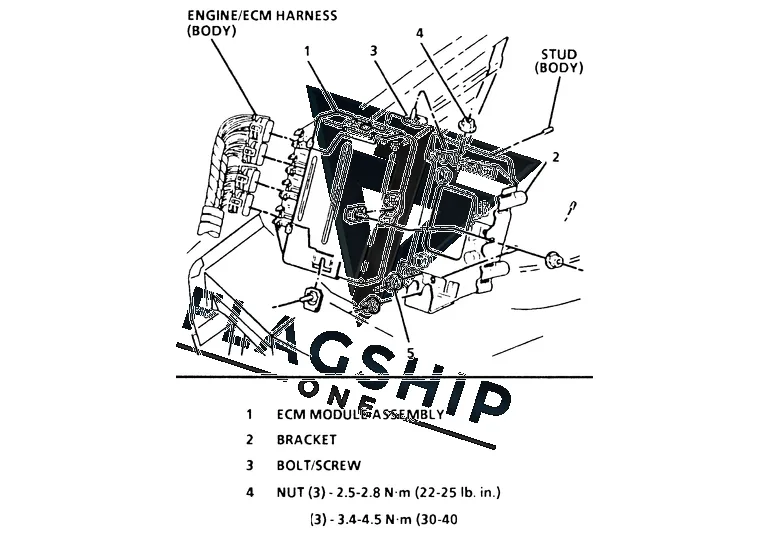
Work with the ignition off, and treat the module as static-sensitive: avoid touching the connector pins at any point.
| Operation | Configuration | Book Time |
|---|---|---|
| Powertrain Control Module Relearn | All configurations | 0.5 hr |
| Powertrain Control Module R&R | All configurations | 0.5 hr |
| Engine Control Module Relearn | All configurations | 0.5 hr |
| Engine Control Module R&R | All configurations | 1.0 hr |
After installing a new PCM in your 1993 Buick Regal, the factory requires a 0.5-hour relearn procedure to calibrate the module. This step ensures proper communication with sensors and actuators. However, a VIN-programmed replacement unit arrives pre-configured for your vehicle, eliminating the need for this additional step. This saves time and reduces the risk of incomplete synchronization, which can lead to drivability issues if not performed correctly.
A failing PCM in your 1993 Buick Regal may cause a range of symptoms, including intermittent stalling, hard starting, or poor fuel economy. You might also experience rough idling or hesitation during acceleration. In some cases, the engine may crank but not start at all. Since this is a pre-OBD-II vehicle, scan tool communication may be limited, so symptoms often serve as the primary diagnostic clue. If you notice these issues, the PCM could be the root cause, especially if other components like sensors and wiring check out.
Replacing the PCM is possible if you’re comfortable with basic automotive electrical work. The module is located under the instrument panel, so some interior trim removal is required. Always disconnect the battery and ensure the ignition is off before handling the module to prevent damage.
Stalling after a PCM replacement often indicates a failed relearn procedure. The module needs to synchronize with the vehicle’s sensors and actuators. If this step isn’t completed, the engine may run poorly or stall. Using a pre-programmed unit can avoid this issue.
Common signs include hard starting, stalling, or poor engine performance. Since this vehicle lacks OBD-II diagnostics, symptoms are the primary indicator. If other components like sensors and wiring are functioning properly, the PCM may be the culprit.
If your 1993 Buick Regal’s PCM is failing, you have options. A repair shop can replace and relearn the module, but this adds labor time. Alternatively, a pre-programmed replacement unit eliminates the need for post-install calibration, simplifying the process. Consider your budget and technical comfort when deciding the best approach for your vehicle.
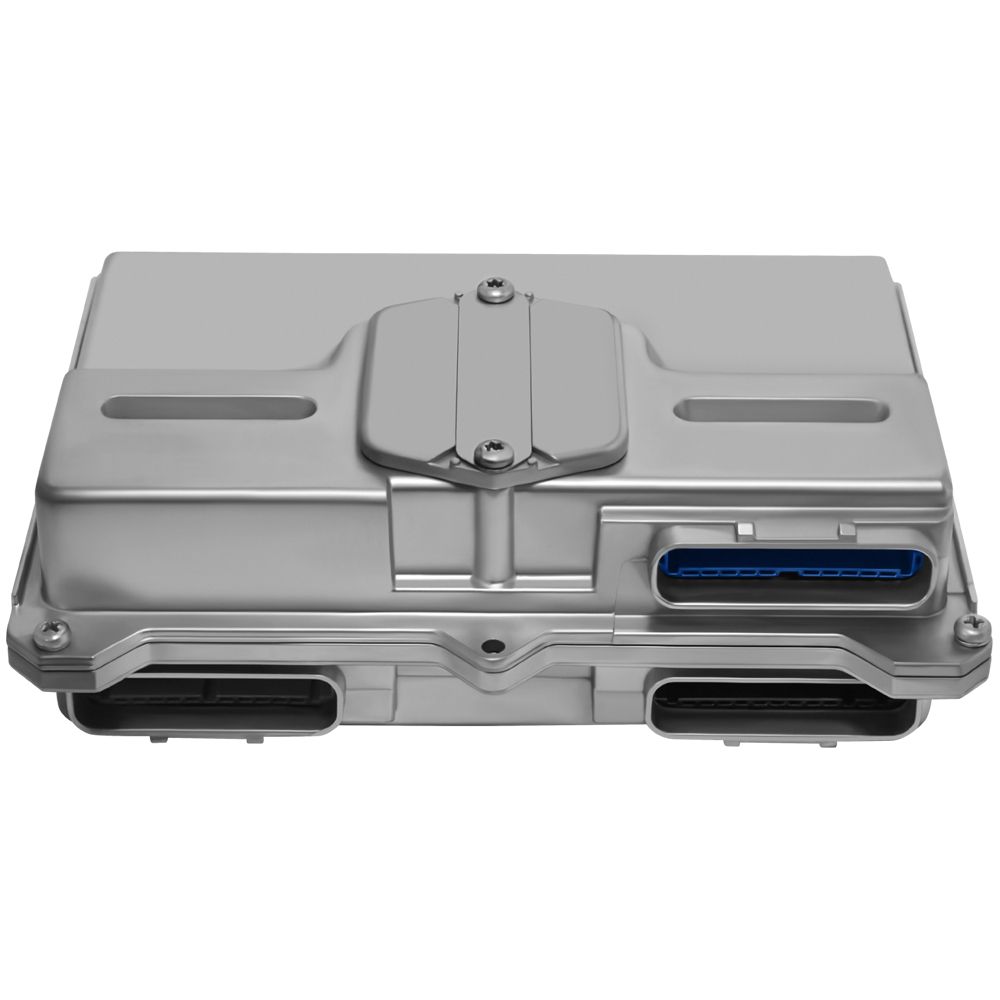
Flagship One stocks a refurbished, VIN-programmed PCM for the 1993 Buick Regal with a lifetime warranty, free shipping and no core charge. The full Buick Regal module lineup covers other engine configurations as well.
The PCM in your 1993 Buick Regal plays a critical role in engine performance. Recognizing its symptoms and understanding the replacement process helps you address issues efficiently. Whether you opt for a shop repair or a pre-programmed unit, ensuring proper installation and calibration keeps your vehicle running smoothly.