Last updated on August 25th, 2026 at 02:48 pm
Identifying a failing engine control unit (ECU/PCM) can be challenging due to its intricate nature. The ECU is intricately connected to various components within the engine management system, influencing their functionality. Consequently, testing and diagnosing a faulty Powertrain Control Module (PCM) is a meticulous and time-consuming process. This comprehensive guide endeavors to enhance your understanding of the symptoms and causes associated with a failing PCM.
What Is a Powertrain Control Module?
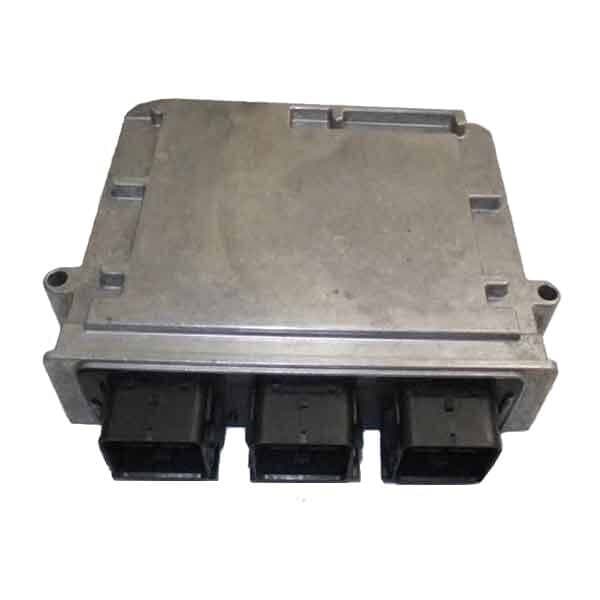
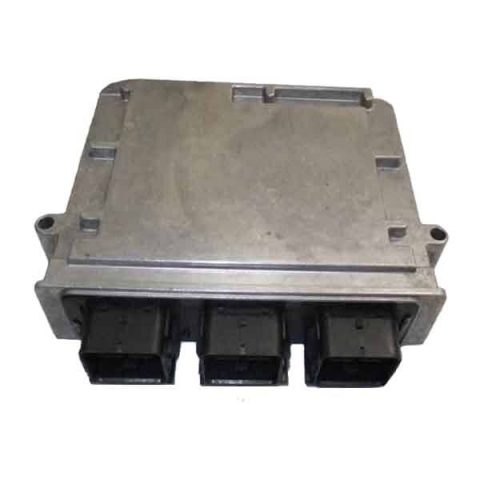
The Powertrain Control Module (PCM) serves as the vehicle’s central nervous system, overseeing a range of critical functions. One such function is the management of the charging system, which consists of the alternator, battery, and voltage regulator. By controlling these components, the PCM ensures optimal performance and efficiency for your vehicle.
Importance of a Well-Functioning PCM
The Powertrain Control Module (PCM) plays a critical role in ensuring peak vehicle performance. It gathers data from various sensors positioned throughout the vehicle and utilizes this information to optimize efficiency and ensure a seamless driving experience. The PCM’s ability to interpret and respond to sensor data enables the vehicle to operate at its best, delivering optimal performance and efficiency.

Symptoms of a Bad or Failing PCM
Intermittent Cylinder Misfires
The Powertrain Control Module (PCM) analyzes sensor data to precisely control fuel injection, the ignition system, and overall engine timing, all of which are crucial for proper cylinder firing. If you experience intermittent misfires, it serves as a significant indication of a malfunctioning PCM. These misfires occur randomly, serving as a strong sign of a faulty Engine Control Unit (ECU).
Illuminated Check Engine Light
The check engine light is an integral part of your vehicle’s onboard diagnostic system. When a specific component malfunctions, the PCM (Powertrain Control Module) attempts to rectify the problem. If the issue cannot be resolved, the check engine light is triggered. Additionally, this light may also be activated due to misinterpreted data received by the PCM.
Engine computer (ECM/PCM)
OEM programmed replacements — plug & play, no dealer visit.
Find yours by year, make & model →Free shipping · Lifetime warranty
Fail to Start
The Powertrain Control Module (PCM) plays a crucial role in enabling the vehicle to start. When the PCM malfunctions, it can manifest in various ways, including problems with fuel injectors and spark plugs, which are both under the control of the PCM.
Causes of PCM Failure
The powertrain control module, responsible for managing various engine functions, may experience failures due to a range of reasons. These may include natural factors such as corrosion or, more frequently, electrical issues that can disrupt its proper operation. It is crucial to promptly address any potential module problems to ensure the optimal performance and reliability of your vehicle.
How to Diagnose a Failing PCM
To diagnose a fault in the Powertrain Control Module (PCM), it is crucial to have a comprehensive understanding of its primary responsibilities. The PCM plays a vital role in modern vehicles, coordinating and managing various systems such as the engine, transmission, and emission control. Acting as the vehicle’s “brain,” it continuously monitors sensor data and controls essential functions like fuel injection and ignition timing to ensure optimal performance and efficiency.
By gaining a clear understanding of the PCM’s main functions, you can easily identify potential symptoms that might indicate a faulty PCM. Common signs of a malfunctioning PCM include engine misfires, stalling, decreased fuel economy, or issues with transmission shifting. Recognizing these symptoms and their relation to the PCM’s responsibilities will enable you to effectively diagnose and address any PCM-related problems in your vehicle.
Risks of Driving with a Failing PCM
Operating a vehicle with a malfunctioning Powertrain Control Module (PCM), which oversees multiple aspects of the engine’s performance, can result in various complications. These encompass diminished fuel efficiency, frequent stalling, and, in severe instances, complete engine breakdown. It is of utmost importance to promptly address any PCM issues to guarantee the seamless and dependable operation of your vehicle.
How to Fix or Replace a Failing PCM
To guarantee proper functioning of your control module and prevent any potential problems, it is crucial to entrust it to a specialist with expertise in diagnosing and repairing these intricate components. By doing so, you can have peace of mind knowing that your control module will undergo a thorough examination, rigorous testing, and, if necessary, meticulous repair or replacement to restore optimal performance and functionality.
FAQs
What are the symptoms of a bad powertrain control module?
Common symptoms of this issue may manifest as an illuminated check engine light, sporadic cylinder misfires, and difficulty starting the engine.
What causes powertrain control module failure?
Failure can arise from natural factors such as corrosion or electrical malfunctions.
Can a bad PCM cause transmission problems?
Although the PCM can contribute to rough shifting in automatic cars, it is seldom the primary cause of transmission control module failure.
What does the powertrain control module control?
The Powertrain Control Module (PCM) plays a crucial role in ensuring the proper functioning of every component in your vehicle. It establishes seamless communication with other control modules, effectively regulating and optimizing their performance for a smooth and efficient driving experience.
Conclusion
Having a comprehensive understanding of the symptoms and causes of a failing PCM is essential for proper vehicle maintenance. If you suspect any issues with your PCM, it is highly recommended to seek the expertise of a specialist who can accurately diagnose and repair the problem.
PCM FAQ
Some of the symptoms of a bad powertrain control module are
1) Illuminated check engine light
The check engine light only turns on if the ECM ( Engine control module ) is analyzing the data it receives not up to standards.
2) Intermittent cylinder misfires
The crankshaft position sensor, for example, relies on the condition of the ECU so that the vehicle’s engine timing functions operate smoothly. The information relayed by the crankshaft position sensor is used to control fuel injection, the ignition system, and general engine timing which are all essential for the cylinders to fire properly .
3) Fails to Start
The ECU is responsible for many areas of the vehicle that control whether or not the vehicle starts. It’s common for those who work frequently with these modules to hear the phrase “crank, no start” when there is an ECU fault. Like other PCM fault symptoms, this issue will also be intermittent.
Your powertain control module may fail due to natural causes such as corrosion or failed due to an electrical issue which is the more common
While the PCM can be a cause to rough shifting in automatic cars the powertrain control module is rarely a the reason why a transmission control module fails
The ECM (Engine control module) is responsible for making sure that everything in your vehicle is functioning properly, and your brain, the ECM will communicate with other control modules in your vehicle to regulate the way they perform. A working ECM will send signals to other control units in order to manage the way their performance and in turn, they will send signals back to the ECM to confirm that everything is in working condition.