
Last updated on August 25th, 2026 at 11:55 am
The engine computer manages fuel delivery and ignition timing in your 2020 Toyota 86. Internal corruption can trigger critical failure codes. This component processes sensor data to regulate performance. When damaged, the vehicle may enter limp mode or refuse to crank entirely.
Diagnosing a computer failure in your 2020 Toyota 86 requires careful verification before ordering parts. You might experience drivability issues that mimic sensor faults. Understanding the replacement process helps you prepare for the repair shop visit. This guide explains where the unit sits and what labor steps are involved. You will learn about access panels and necessary disconnects. Knowing the factory time estimates allows for accurate budgeting. Proper identification prevents unnecessary swaps of healthy components. This text outlines the specific codes linked to internal processor errors. Your mechanic will need to follow strict protocols during installation. This information empowers you to discuss the repair confidently. Focus on verifying power and ground before concluding the module is dead. Replacement is a viable option when internal faults are confirmed.
This component serves as the brain for your 2020 Toyota 86 engine management system. It monitors input from various sensors to adjust fuel and spark. Internal memory corruption can lead to complete operational failure. You may see specific codes indicating processor malfunctions within the unit. Replacing this part often requires sourcing replacement engine computers for 86 that match your vehicle specifications. The module controls critical functions like idle speed and emission systems. Without proper function, the car may not start or run roughly. Technicians verify power supply before condemning the computer itself. Data storage errors are common causes for swapping this hardware. Your vehicle relies on this unit for daily drivability. Ensuring compatibility is essential for a successful repair outcome. Professional diagnosis confirms whether the issue lies within the computer.
2020 Toyota 86
OEM programmed ECM for your 2020 Toyota 86 — plug & play, no dealer visit.
Free shipping · Lifetime warranty
Accessing the unit involves removing the instrument side panel on the right hand side. You must also detach the glove compartment door assembly to reach the workspace. The control unit relay assembly needs removal during this process. Disconnecting the cable from the negative battery terminal is a required safety step. Book time for removal and installation is listed at 0.7 hours. Resetting the engine control module typically takes 0.3 hours of labor. Relearn procedures for the engine control module require 0.5 hours. The powertrain control module relearn also shows 0.5 hours in guides. Powertrain control module removal and installation is rated at 0.7 hours. These steps ensure safe access without damaging surrounding trim. Your technician will follow these specific paths to reach the hardware. Proper reconnection prevents electrical issues after the swap is complete.
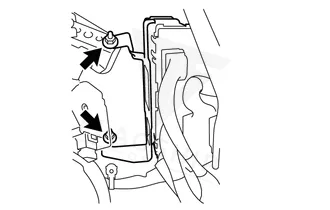
Work with the ignition off, and treat the module as static-sensitive: avoid touching the connector pins at any point.
| Operation | Configuration | Book Time |
|---|---|---|
| Powertrain Control Module R&R | All configurations | 0.7 hr |
| Powertrain Control Module Relearn | All configurations | 0.5 hr |
| Engine Control Module Relearn | All configurations | 0.5 hr |
| Engine Control Module R&R | All configurations | 0.7 hr |
| Engine Control Module Reset | All configurations | 0.3 hr |
Factory procedures often mandate a relearn process after hardware replacement. Your shop will need to perform specific reset functions to synchronize the new part. These steps ensure the vehicle recognizes the updated component properly. Flagship One units arrive VIN-programmed so those steps are already done. You save time by installing a VIN-programmed replacement unit that requires no additional coding. This eliminates the need for specialized diagnostic tools during the swap. The standard reset procedure usually consumes 0.3 hours of labor time. Relearn tasks often add another 0.5 hours to the total job. Avoiding these steps with a pre-configured part streamlines the repair. Your vehicle will be ready to drive sooner with this approach. Professional installation still remains necessary for physical mounting and connections.
Common signs of failure include unexpected stalling or a no-start condition. You might notice the engine running rough or entering a limp mode. Scan tools may lose communication with the management system entirely. Shifting issues can occur if the computer cannot process data correctly. Internal faults often trigger codes like internal memory P0601 fault indicating processor problems. The vehicle may crank but fail to fire due to missing signals. Warning lights on the dashboard often illuminate when these errors exist. Misfire codes might appear alongside the primary computer failure indicators. Power delivery can become inconsistent during acceleration or idle periods. Your mechanic should check for these symptoms before replacing the hardware. Addressing these signs early prevents further damage to related systems.
Several diagnostic trouble codes point directly to internal module corruption. These specific errors suggest the processor or memory is malfunctioning. Your technician will scan for these numbers to confirm the diagnosis. The following list covers documented internal faults for this vehicle. Verify these codes before proceeding with any hardware replacement plans.
| Code | Meaning | Full Guide |
|---|---|---|
| P0601 | Internal memory checksum error | Full P0601 guide → |
| P0604 | Internal RAM error | Full P0604 guide → |
| P0605 | Internal ROM error | Full P0605 guide → |
| P0606 | Module processor failure | Full P0606 guide → |
| P060A | Module-internal fault | — |
| P060B | Module-internal fault | — |
| P062F | Internal EEPROM error | Full P062F guide → |
Driving is not recommended if the module is failing. You risk stalling in traffic or damaging other components. Have the vehicle towed to a shop for safe diagnosis.
Factory units typically require a relearn procedure to function correctly. Pre-programmed options eliminate this step for your convenience. Verify the specific requirements with your service provider.
Book time for removal and installation is 0.7 hours. Additional time is needed for reset or relearn tasks. Total labor depends on the specific procedure performed.
You have options when facing computer failure in your 2020 Toyota 86. Refurbished replacements offer a cost-effective solution compared to dealer parts. Ensure the unit matches your vehicle identification number exactly. Professional installation guarantees proper function and longevity. Consider the labor hours when budgeting for this repair. This approach balances cost with reliability for your situation.
Flagship One stocks a refurbished, VIN-programmed PCM for the 2020 Toyota 86 with a lifetime warranty, free shipping and no core charge. The full Toyota 86 module lineup covers other engine configurations as well.
Replacing the engine computer in your 2020 Toyota 86 restores proper management functions. Verify all codes and labor steps before beginning work. Proper handling ensures your vehicle returns to safe operating condition. Contact a qualified technician to handle the installation process. This guide helps you understand the scope of the repair needed.