
Last updated on August 25th, 2026 at 12:41 pm
The Powertrain Control Module (PCM) in the 2017 Lincoln Navigator manages engine and transmission functions. Failure may cause drivability issues, no-start conditions, or internal fault codes like P0606, indicating processor errors.
If your 2017 Lincoln Navigator has been acting unpredictably—stalling at stops, refusing to start, or throwing cryptic check-engine lights—you may be dealing with a failing Powertrain Control Module (PCM). This small but critical computer oversees everything from fuel delivery to transmission shifting, and when it malfunctions, your vehicle’s performance can suffer in noticeable ways. Understanding the role of the PCM, recognizing the warning signs, and knowing what replacement involves can help you make informed decisions. Whether you’re troubleshooting a persistent issue or preparing for a repair, this guide will walk you through the essentials: what the PCM does, how to spot failures, and what to expect during replacement and reprogramming. With the right approach, you can restore your Navigator’s reliability without unnecessary delays or complications.
In the 2017 Lincoln Navigator, the Powertrain Control Module (PCM) acts as the brain of the engine and transmission systems. It continuously monitors sensors throughout the vehicle, adjusting fuel injection, ignition timing, and shift points to optimize performance and efficiency. The PCM also communicates with other onboard computers, ensuring smooth operation of features like traction control and emissions systems. When the PCM fails, you may experience a range of issues, from poor fuel economy to complete drivability loss. Replacing it involves installing one of the replacement engine control modules for the Navigator, which must be programmed to match your vehicle’s specific configuration. Without proper calibration, even a new module may not function correctly, leading to further frustration. Given its central role, a healthy PCM is essential for maintaining your Navigator’s power, responsiveness, and long-term dependability.
2017 Lincoln Navigator
OEM programmed ECM for your 2017 Lincoln Navigator — plug & play, no dealer visit.
Free shipping · Lifetime warranty
The Powertrain Control Module in the 2017 Lincoln Navigator is typically located in the engine bay, mounted on the passenger-side firewall or near the battery. Accessing it requires removing a protective cover and disconnecting the wiring harness, which may involve releasing a locking tab or unbolting a bracket. Once exposed, the module is secured with bolts or screws, and replacement involves swapping the old unit for a new one. According to factory labor estimates, the removal and reinstallation process takes about 0.8 hours. After installation, the module must be reconnected to the vehicle’s electrical system, and any mounting hardware should be torqued to specification to prevent vibration or moisture intrusion. While the physical replacement is straightforward, the real work begins with programming, which ensures the new module communicates properly with the rest of the vehicle’s systems.
Work with the ignition off, and treat the module as static-sensitive: avoid touching the connector pins at any point.
| Operation | Configuration | Book Time |
|---|---|---|
| Powertrain Control Module Relearn | All configurations | 0.5 hr |
| Powertrain Control Module R&R | All configurations | 0.8 hr |
| Engine Control Module R&R | All configurations | 0.8 hr |
| Engine Control Module Relearn | All configurations | 0.5 hr |
After installing a new Powertrain Control Module in your 2017 Lincoln Navigator, the factory procedure requires a relearn process to synchronize the module with the vehicle’s sensors and systems. This typically involves using a scan tool to perform a 0.5-hour procedure that resets adaptive values and calibrates the module to your specific Navigator. However, if you opt for a VIN-programmed replacement unit, these steps are already completed before the module arrives. This means you can skip the additional programming time and get your vehicle back on the road faster. While the relearn process is not overly complex, it does require specialized equipment and knowledge, so having a pre-programmed module simplifies the repair significantly. Always verify that the replacement module matches your vehicle’s exact configuration to avoid compatibility issues.
When the Powertrain Control Module in your 2017 Lincoln Navigator begins to fail, you may notice a variety of symptoms that can range from subtle to severe. One of the most common signs is a no-start condition, where the engine cranks but refuses to fire. Stalling or rough idling, especially at low speeds or when coming to a stop, may also occur, often accompanied by hesitation or surging. In some cases, the vehicle may enter a “limp mode,” limiting engine power to prevent further damage. You might also see warning lights on the dashboard, including the check engine light, which could trigger a processor performance fault or other related codes. Poor fuel economy, transmission shifting issues, or even a complete loss of communication with a scan tool are additional red flags. If your Navigator exhibits any of these symptoms, it’s worth investigating the PCM as a potential cause, particularly if no other mechanical issues are found.
The 2017 Lincoln Navigator may log specific trouble codes when the Powertrain Control Module experiences internal faults. These codes often point directly to the module itself rather than external sensors or components. Below are the documented module-internal trouble codes for this vehicle.
| Code | Meaning | Full Guide |
|---|---|---|
| P0606 | Module processor failure | Full P0606 guide → |
Common signs include a no-start condition, stalling, rough idling, or the check engine light illuminating with codes like P0606. If your vehicle exhibits these symptoms and other components check out, the PCM may be the culprit. A professional scan tool can confirm internal module faults.
While the physical replacement is straightforward, the process requires a VIN-programmed module and may involve a relearn procedure. If you’re not comfortable with electrical work or programming, it’s best to have a professional handle the installation to avoid complications.
Without reprogramming, the new module may not communicate properly with your vehicle’s sensors and systems. This can lead to drivability issues, poor performance, or even a no-start condition. A pre-programmed module eliminates this step, ensuring compatibility from the start.
The P0606 code indicates an internal processor error within the PCM. This fault may cause erratic behavior, such as stalling or misfires, and typically requires module replacement. Before replacing, ensure no other issues, like poor grounds or voltage spikes, are contributing to the problem.
The physical replacement takes about 0.8 hours, while the relearn procedure adds another 0.5 hours. If you use a pre-programmed module, the relearn step is unnecessary, reducing the total time to just the installation.
If your 2017 Lincoln Navigator is experiencing PCM-related issues, you have a few options to consider. A repair may be possible in some cases, but if the module is confirmed faulty, replacement is often the most reliable solution. Opting for a refurbished or new module that’s already VIN-programmed can save you time and ensure a smooth installation. Whether you choose to tackle the job yourself or leave it to a professional, addressing the problem promptly will help restore your vehicle’s performance and prevent further complications down the road.
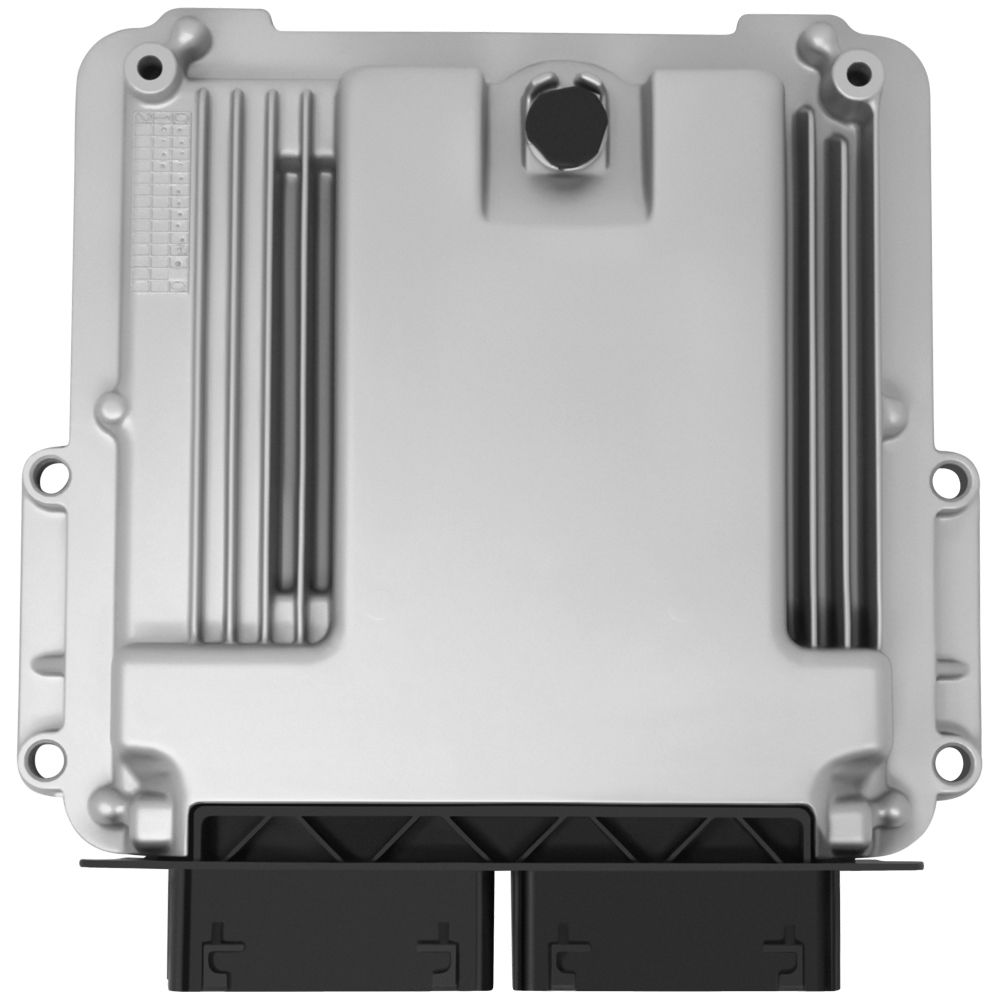
Flagship One stocks a refurbished, VIN-programmed PCM for the 2017 Lincoln Navigator with a lifetime warranty, free shipping and no core charge. The full Lincoln Navigator module lineup covers other engine configurations as well.
The Powertrain Control Module plays a vital role in keeping your 2017 Lincoln Navigator running smoothly. When it fails, the symptoms can be frustrating, but understanding the replacement process and the benefits of a pre-programmed module can make the repair more manageable. Whether you’re dealing with a no-start condition, stalling, or a persistent check engine light, addressing the issue promptly will help you get back on the road with confidence. If you suspect your PCM is the problem, consider your options carefully to ensure a lasting solution.