
Last updated on August 25th, 2026 at 01:07 pm
The engine control module (ECM) in the 2017 Lexus GS-F manages fuel injection, ignition timing, and emissions systems. Failure may cause drivability issues, including stalling, misfires, or a no-start condition, often triggered by electrical faults or internal processor errors.
If your 2017 Lexus GS-F hesitates during acceleration, stalls unexpectedly, or refuses to start, the engine control module (ECM) may be at fault. This small but critical computer oversees fuel delivery, ignition timing, and emissions systems, ensuring smooth operation. When it fails, symptoms can range from subtle drivability issues to complete engine shutdown. Replacing the ECM isn’t just about swapping hardware—it requires precise programming to match your vehicle’s VIN and relearning procedures to restore full functionality. Understanding the process, from diagnosis to installation, helps you avoid unnecessary delays and ensures your Lexus runs as intended. Whether you’re addressing a persistent check-engine light or a sudden no-start condition, knowing what to expect can save time and frustration.
The engine control module in your 2017 Lexus GS-F acts as the brain of the powertrain, continuously adjusting fuel injection, ignition timing, and throttle response based on sensor inputs. This ensures optimal performance, fuel efficiency, and emissions compliance. Without a functioning ECM, the engine may run poorly or not at all, as the system relies on its calculations to maintain smooth operation. Over time, electrical surges, moisture intrusion, or internal component degradation can compromise its performance. When replacement becomes necessary, you’ll need replacement engine computers for the Lexus GS-F that are compatible with the vehicle’s 5.0L V8. The module’s location and programming requirements make professional installation advisable, though pre-programmed units simplify the process by eliminating some factory-mandated steps.
2017 Lexus GS-F
OEM programmed ECM for your 2017 Lexus GS-F — plug & play, no dealer visit.
Free shipping · Lifetime warranty
The ECM in the 2017 Lexus GS-F is mounted near the engine bay, but accessing it requires removing the cool air intake duct seal and temporarily disconnecting the battery. Before starting, ensure the ignition is off and wait the recommended time to avoid electrical system damage. Replacement involves unbolting the module, carefully disconnecting its wiring harness, and installing the new unit. Labor estimates for this procedure typically include 0.6 hours for removal and reinstallation, plus additional time for relearn procedures. Torque specifications for mounting bolts should be followed to prevent damage to the module or its housing. Once installed, the battery must be reconnected, and factory programming steps initiated to complete the process.
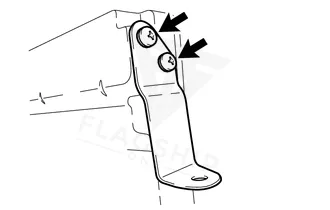
Work with the ignition off, and treat the module as static-sensitive: avoid touching the connector pins at any point.
| Operation | Configuration | Book Time |
|---|---|---|
| Powertrain Control Module Relearn | All configurations | 0.5 hr |
| Powertrain Control Module R&R | All configurations | 0.6 hr |
| Engine Control Module Reset | All configurations | 0.3 hr |
| Engine Control Module R&R | All configurations | 0.6 hr |
| Engine Control Module Relearn | All configurations | 0.5 hr |
After installing a new ECM in your 2017 Lexus GS-F, the factory requires VIN registration and a series of relearn procedures to synchronize the module with the vehicle’s systems. These steps, which may include an engine control module reset and powertrain control module relearn, ensure proper communication between the ECM and other components. However, if you opt for a VIN-programmed replacement unit, these steps are already completed, saving you time and reducing the risk of programming errors. The relearn process alone can take up to 0.5 hours, while the reset may add another 0.3 hours to the job. Skipping or improperly performing these steps may result in drivability issues or persistent fault codes.
A failing ECM in the 2017 Lexus GS-F may produce a range of symptoms, from subtle performance issues to complete engine failure. Common signs include rough idling, hesitation during acceleration, or unexpected stalling, particularly when the engine is warm. Some drivers report intermittent no-start conditions, where the engine cranks but fails to fire. Onboard diagnostics may log an internal processor fault, indicating a malfunction within the module itself. Other potential codes could relate to fuel trim, ignition timing, or sensor communication errors. In severe cases, the vehicle may enter a limp-home mode, limiting power to prevent further damage. If your Lexus exhibits these symptoms, a scan tool can help confirm whether the ECM is the root cause before proceeding with replacement.
The 2017 Lexus GS-F’s ECM may generate specific trouble codes when internal faults occur. These codes help diagnose the issue and determine whether replacement is necessary. One documented code for this vehicle is listed below.
| Code | Meaning | Full Guide |
|---|---|---|
| P0606 | Module processor failure | Full P0606 guide → |
If your 2017 Lexus GS-F is experiencing ECM-related issues, you have options for repair or replacement. While a refurbished module may offer a cost-effective solution, a new unit ensures reliability and compatibility. Flagship One provides pre-programmed replacements that eliminate the need for post-install programming, streamlining the process. Whether you choose to tackle the job yourself or seek professional help, understanding the steps involved can help you make an informed decision.
Flagship One stocks a refurbished, VIN-programmed PCM for the 2017 Lexus GS-F with a lifetime warranty, free shipping and no core charge. The full Lexus GS-F module lineup covers other engine configurations as well.
The 2017 Lexus GS-F relies on its ECM to maintain smooth and efficient operation. When this module fails, symptoms like stalling, rough idling, or a no-start condition may appear, often accompanied by fault codes. Replacement involves careful handling and factory-mandated programming steps, but pre-programmed units simplify the process. Addressing ECM issues promptly ensures your Lexus continues to perform as designed, whether you’re driving daily or pushing its limits on the road.