
Last updated on August 25th, 2026 at 02:05 pm
The Engine Control Module (ECM) in the 2016 Lexus GS-F manages fuel injection, ignition timing, and emissions systems. A failure may cause drivability issues, including stalling, misfires, or a no-start condition.
If your 2016 Lexus GS-F is experiencing unexplained stalling, rough idling, or a no-start condition, the Engine Control Module (ECM) may be the culprit. This critical component oversees fuel delivery, ignition timing, and emissions systems, ensuring smooth operation. When it fails, symptoms can range from subtle drivability issues to complete engine shutdown. Replacing the ECM involves more than just swapping hardware; the factory requires specific procedures to ensure the new unit communicates correctly with the vehicle’s systems. Understanding these steps—from physical replacement to post-install programming—can help you avoid unnecessary delays or complications. Whether you’re a DIY enthusiast or working with a shop, knowing what to expect simplifies the process and ensures your Lexus returns to reliable performance.
The Engine Control Module in the 2016 Lexus GS-F acts as the brain of the engine, interpreting data from sensors to optimize performance, fuel efficiency, and emissions. It regulates fuel injection timing, ignition spark advance, and idle speed, adapting to driving conditions in real time. Without a functioning ECM, the engine may run poorly or fail to start entirely. This module also interfaces with the transmission control system, ensuring smooth shifts and preventing damage from incorrect gear engagement. When replacing the ECM, you’re not just installing a new part—you’re restoring the vehicle’s ability to make split-second adjustments that keep it running efficiently. For the 2016 Lexus GS-F, replacement engine computers for the GS-F are designed to meet factory specifications, ensuring compatibility with the vehicle’s advanced systems. A faulty ECM can lead to a cascade of issues, from reduced power to increased emissions, making timely replacement essential for maintaining the car’s performance and reliability.
2016 Lexus GS-F
OEM programmed ECM for your 2016 Lexus GS-F — plug & play, no dealer visit.
Free shipping · Lifetime warranty
The ECM in the 2016 Lexus GS-F is located near the engine bay, requiring removal of the cool air intake duct seal to access it. Before beginning the replacement, you’ll need to disconnect the negative battery cable, which may require waiting a specified time after turning off the engine to avoid electrical issues. The labor guide estimates 0.6 hours for removing and reinstalling the module, though this doesn’t include the additional time needed for relearn procedures. Once the old ECM is removed, the new unit is installed in its place, and the intake duct seal and battery cable are reconnected. The process is straightforward but requires attention to detail to avoid damaging connectors or introducing moisture into the system.
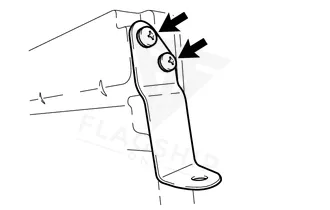
Work with the ignition off, and treat the module as static-sensitive: avoid touching the connector pins at any point.
| Operation | Configuration | Book Time |
|---|---|---|
| Powertrain Control Module Relearn | All configurations | 0.5 hr |
| Powertrain Control Module R&R | All configurations | 0.6 hr |
| Engine Control Module Reset | All configurations | 0.3 hr |
| Engine Control Module R&R | All configurations | 0.6 hr |
| Engine Control Module Relearn | All configurations | 0.5 hr |
After installing a new ECM in the 2016 Lexus GS-F, the factory requires a Vehicle Identification Number (VIN) registration and a relearn procedure to ensure the module syncs with the vehicle’s systems. These steps are critical for proper engine operation, as the ECM must recognize the car’s unique configuration to function correctly. The relearn process typically takes 0.5 hours, while an ECM reset may add another 0.3 hours if needed. However, when you use a VIN-programmed replacement unit, these steps are already completed, saving time and reducing the risk of programming errors. This pre-programming ensures the new ECM is ready to communicate with the vehicle’s sensors and systems immediately after installation, streamlining the repair process.
A failing ECM in the 2016 Lexus GS-F can manifest in several ways, often mimicking other mechanical or electrical issues. Common symptoms include intermittent stalling, especially at idle or during deceleration, which may leave you stranded or cause hesitation when accelerating. The engine might also misfire, leading to rough running or a noticeable loss of power, particularly under load. In some cases, the vehicle may fail to start at all, cranking but not firing due to incorrect fuel or spark signals from the ECM. Another telltale sign is the illumination of the check engine light, often accompanied by an internal control module processor fault. This code specifically indicates a problem within the ECM itself, rather than a sensor or wiring issue. Additionally, you might experience erratic shifting if the ECM’s communication with the transmission control module is disrupted. Scan tool communication may also be lost, preventing diagnostics until the ECM is replaced. These symptoms can worsen over time, so addressing them promptly can prevent further damage to the engine or transmission.
The 2016 Lexus GS-F may store specific trouble codes when the ECM fails, providing a diagnostic starting point. These codes help pinpoint whether the issue lies within the module itself or elsewhere in the vehicle’s systems.
| Code | Meaning | Full Guide |
|---|---|---|
| P0606 | Module processor failure | Full P0606 guide → |
The factory service information for the 2016 Lexus GS-F includes cautions about the necessary procedures following ECM replacement. These include VIN registration and relearn steps to ensure the new module functions correctly. The manufacturer also advises reviewing the battery disconnect notices before proceeding with any work, as waiting time may be required after turning off the engine switch. These precautions help prevent electrical issues or data loss during the replacement process.
Stalling after an ECM replacement often indicates a failed relearn procedure or incorrect VIN registration. The ECM must sync with the vehicle’s sensors and systems to regulate fuel and ignition properly. If these steps are skipped or incomplete, the engine may run poorly or stall. Using a pre-programmed unit can eliminate this issue by ensuring the ECM is ready to communicate with the vehicle immediately.
Driving with a P0606 code is not recommended, as it indicates an internal ECM fault that may cause unpredictable engine behavior. The vehicle may stall, misfire, or fail to start, leaving you stranded. Addressing the issue promptly can prevent further damage to the engine or transmission, as the ECM controls critical functions like fuel delivery and ignition timing.
Common signs of a failing ECM include stalling, rough idling, misfires, or a no-start condition. The check engine light may illuminate, often with codes like P0606. If scan tool communication is lost or the vehicle exhibits erratic shifting, the ECM may be the culprit. A professional diagnosis can confirm whether the module needs replacement.
Skipping VIN registration after an ECM replacement can prevent the module from recognizing the vehicle’s configuration, leading to poor engine performance or a no-start condition. The ECM relies on this data to adjust fuel, ignition, and emissions systems correctly. Without registration, the vehicle may run inefficiently or trigger additional trouble codes.
Replacing the ECM is physically straightforward but requires attention to detail, particularly with electrical connections and post-install programming. If you’re comfortable disconnecting the battery and removing the air intake duct seal, the process is manageable. However, the factory requires VIN registration and a relearn procedure, which may necessitate professional tools or software unless you use a pre-programmed unit.
When the ECM in your 2016 Lexus GS-F fails, you have options for replacement. A dealership may offer a new unit, but the process includes programming and relearn steps that add time and cost. Alternatively, a refurbished or pre-programmed replacement can simplify the repair, ensuring the module is ready to install without additional programming. This approach reduces downtime and eliminates the risk of programming errors, getting your vehicle back on the road faster.
Flagship One stocks a refurbished, VIN-programmed PCM for the 2016 Lexus GS-F with a lifetime warranty, free shipping and no core charge. The full Lexus GS-F module lineup covers other engine configurations as well.
Replacing the ECM in your 2016 Lexus GS-F is a manageable task when you understand the factory requirements and potential pitfalls. From recognizing symptoms like stalling or misfires to following the correct installation and programming steps, each phase plays a role in restoring your vehicle’s performance. Whether you choose to tackle the job yourself or rely on a professional, using a pre-programmed unit can streamline the process and ensure reliable operation. Addressing ECM issues promptly helps maintain your Lexus’s drivability and prevents further damage to its systems.