
Last updated on August 25th, 2026 at 11:57 am
The engine control module manages fuel delivery and ignition timing within your 2016 Toyota Sequoia. Failure in this unit often leads to drivability issues or complete shutdown. Understanding its role helps diagnose electrical faults accurately before pursuing extensive mechanical repairs on your truck.
Dealing with electronic failures in your 2016 Toyota Sequoia can be frustrating when standard diagnostics yield unclear results. This guide explains the function of the engine control module and outlines the steps required for replacement. You will learn about the specific location of the unit and the labor operations associated with the service. Understanding these details helps you prepare for the repair process effectively. We focus on factual procedures documented for this truck to ensure clarity. Proper handling of the computer system is essential for restoring normal operation. This information assists you in discussing the repair with your service provider confidently. Knowing the access path and required procedures reduces uncertainty during the diagnostic phase.
The engine control module serves as the central processing unit for your 2016 Toyota Sequoia powertrain. It monitors sensor inputs to regulate fuel injection and ignition timing precisely. When this component fails, the vehicle may experience significant drivability concerns or fail to start entirely. Mechanics often recommend checking power and ground connections before condemning the unit. If internal damage is confirmed, you might need replacement engine computers for the Sequoia to restore function. These units manage critical emissions systems and transmission shifting patterns as well. A malfunctioning processor can trigger warning lights on the dashboard frequently. Understanding the scope of control helps justify the repair cost involved. Proper diagnosis ensures you replace only the necessary components for your truck.
2016 Toyota Sequoia
OEM programmed ECM for your 2016 Toyota Sequoia — plug & play, no dealer visit.
Free shipping · Lifetime warranty
Service manuals indicate the unit sits adjacent to the air cleaner assembly. Technicians must remove the air cleaner assembly along with the connector holder block. Physical removal and replacement of the engine control module takes 1.0 hours. Relearn procedures for the engine control module are booked at 0.5 hours. A reset operation is allocated 0.3 hours in the labor guides. Replacing the powertrain control module physically is also rated at 1.0 hours. Relearning the powertrain control module parameters requires 0.5 hours of labor. These times reflect the effort needed to reach the unit safely. You should expect the connector holder block to be handled carefully during access. Proper torque specifications should be followed if provided in your service manual. The location near the air cleaner suggests protection from direct road debris.
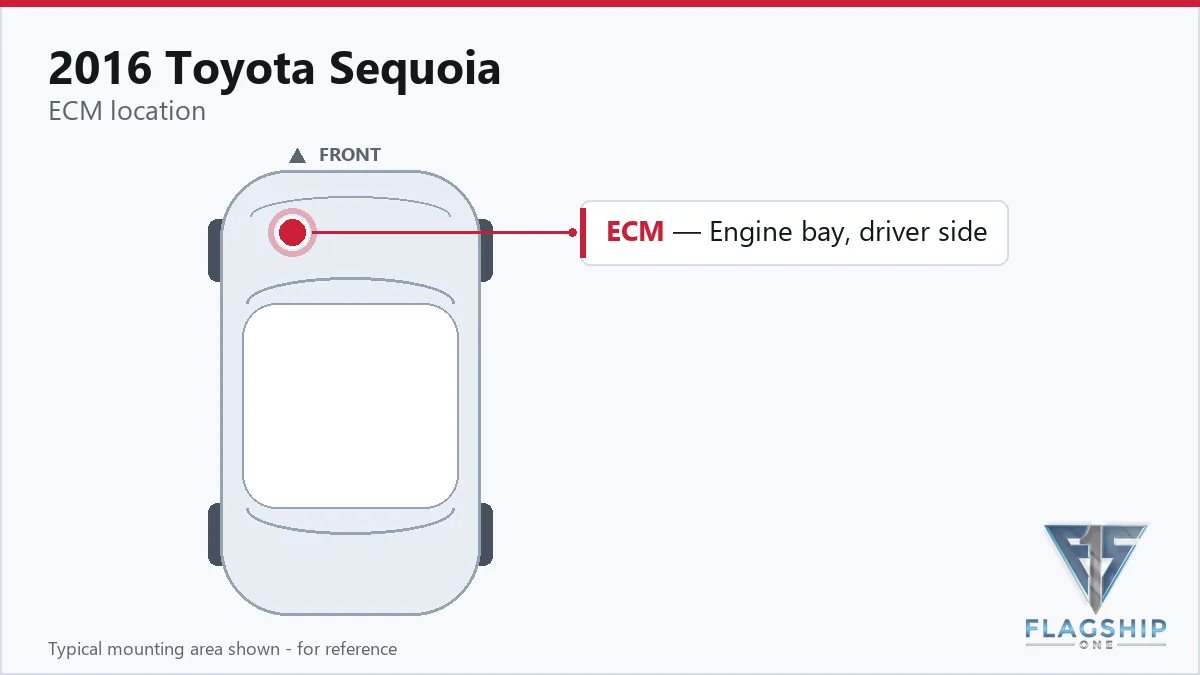
Work with the ignition off, and treat the module as static-sensitive: avoid touching the connector pins at any point.
| Operation | Configuration | Book Time |
|---|---|---|
| Engine Control Module Relearn | All configurations | 0.5 hr |
| Engine Control Module R&R | All configurations | 1.0 hr |
| Engine Control Module Reset | All configurations | 0.3 hr |
| Powertrain Control Module R&R | All configurations | 1.0 hr |
| Powertrain Control Module Relearn | All configurations | 0.5 hr |
Factory protocols typically require specific initialization steps after installing a new computer. These procedures ensure the module communicates correctly with other vehicle systems. However, modules from Flagship One come with VIN programming completed beforehand. You receive a VIN-programmed replacement unit ready for installation without extra coding. This eliminates the need for specialized diagnostic tools during the swap. The relearn times listed in factory guides may not apply to these pre-configured parts. Saving time on programming reduces overall shop labor costs significantly. You can proceed with physical installation immediately upon receipt. This approach streamlines the repair process for your 2016 Toyota Sequoia. Always verify compatibility before ordering to ensure proper function.
Drivers may notice erratic behavior when the control module begins to fail. Common signs include unexpected stalling or difficulty starting the engine during cold weather. You might experience rough idling or hesitation while accelerating on the highway. Loss of communication with scan tools often points to internal processor issues. In the 2016 Toyota Sequoia, documented faults include P0606 internal processor malfunction which signals computer integrity loss. Shifting patterns may become harsh or unpredictable without proper signals. Warning lights on the dashboard often illuminate to indicate system errors. Fuel economy can suffer as the engine defaults to limp mode. These symptoms suggest the need for thorough electrical testing before replacement. Addressing these issues promptly prevents further damage to related components.
Specific internal fault codes help technicians identify computer failures accurately. The following list represents documented errors associated with this control unit. Reviewing these codes assists in confirming the need for replacement. Always cross-reference with live data during the diagnostic process.
| Code | Meaning | Full Guide |
|---|---|---|
| P0606 | Module processor failure | Full P0606 guide → |
Factory labor guides list physical removal and replacement at 1.0 hours. Additional time is required for relearn procedures depending on the specific service manual. Total time varies based on technician experience and shop equipment availability.
The unit is positioned adjacent to the air cleaner assembly under the hood. Access requires removing the air cleaner assembly and connector holder block first. This location protects the module from direct exposure to road elements.
Documented internal trouble codes include P0606 for this specific vehicle model. This fault suggests an internal malfunction within the control module processor. Professional diagnosis is recommended to confirm the issue before replacing parts.
You may choose between repairing your existing unit or installing a refurbished replacement. Refurbished options often provide a more reliable long-term solution for older electronics. For your 2016 Toyota Sequoia, swapping the module restores full system functionality quickly. Consider the labor costs associated with diagnostics when weighing your repair options. A direct replacement minimizes downtime compared to troubleshooting individual circuits.
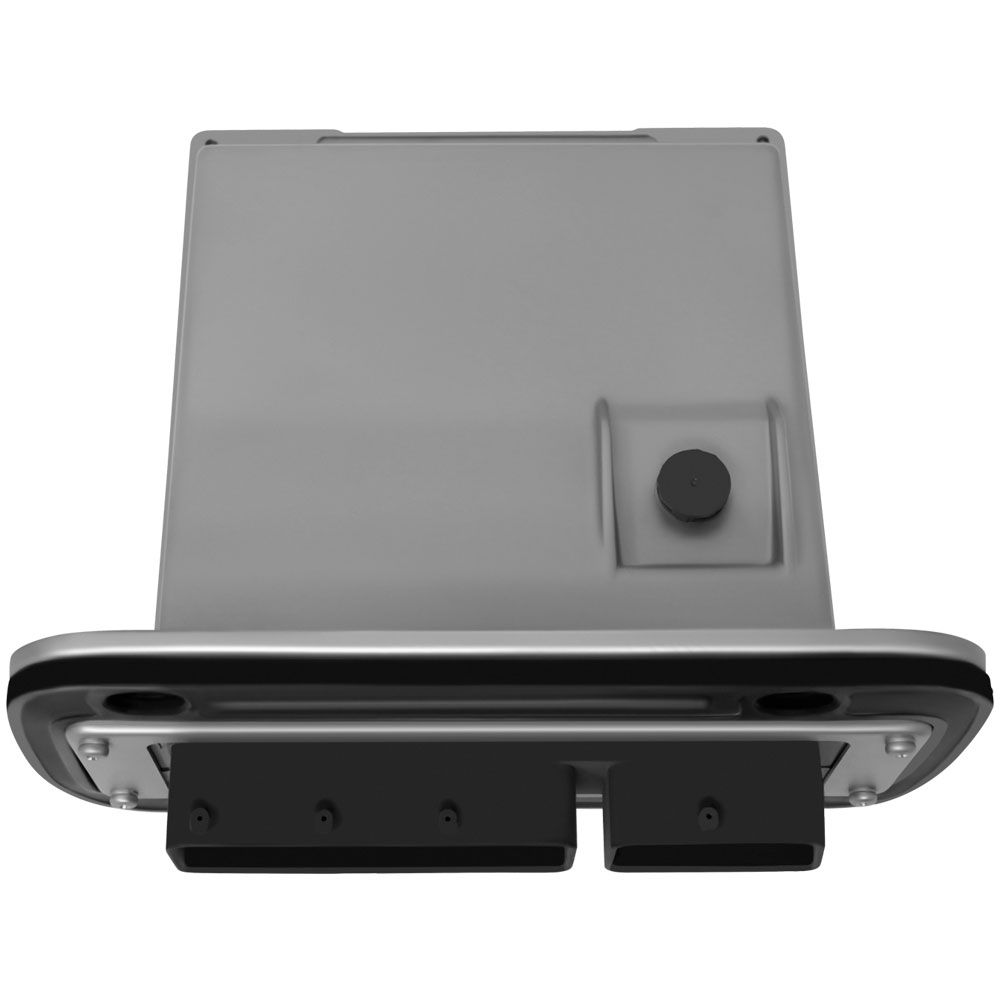
Flagship One stocks a refurbished, VIN-programmed PCM for the 2016 Toyota Sequoia with a lifetime warranty, free shipping and no core charge. The full Toyota Sequoia module lineup covers other engine configurations as well.
Replacing the engine control module resolves many drivability issues in your 2016 Toyota Sequoia. Understanding the location and labor requirements helps you plan the service effectively. Proper installation ensures your truck returns to reliable operation for daily use. Review the technical details provided to inform your repair decisions.