
Last updated on August 25th, 2026 at 12:45 pm
The Powertrain Control Module (PCM) in your 2016 Dodge Challenger 5.7L manages engine and transmission functions. Failure can cause no-start, stalling, misfire, and diagnostic trouble codes like P0601 and P0606, indicating internal module faults.
If you own a 2016 Dodge Challenger with the 5.7L engine and are experiencing drivability issues, the Powertrain Control Module (PCM) may be at fault. This module is the central computer that controls engine timing, fuel delivery, and transmission operation. When it fails, symptoms like no-start, stalling, or check-engine lights with specific codes can appear. This guide explains what the PCM does in your Challenger, where it is located, what replacement involves according to factory labor times, and the critical programming steps required after installation. You will also learn about a related safety recall and how to address internal trouble codes. Understanding these details helps you make an informed decision about repairing or replacing the module.
The Powertrain Control Module (PCM) in your 2016 Dodge Challenger 5.7L is a single unit that combines engine and transmission control. It receives data from sensors throughout the vehicle and adjusts ignition timing, fuel injection, and shift points to optimize performance and emissions. The PCM also monitors system health and stores diagnostic trouble codes when it detects a fault. Because it manages both the engine and transmission, a failing PCM can cause a wide range of symptoms from rough idling to complete no-start. If you need a replacement, you can find replacement PCMs for the Challenger that are built to match the original specifications. Choosing the correct module ensures your vehicle continues to run smoothly and meet emissions standards.
2016 Dodge Challenger
OEM programmed ECM for your 2016 Dodge Challenger — plug & play, no dealer visit.
Free shipping · Lifetime warranty
The PCM in the 2016 Dodge Challenger 5.7L is typically located in the engine compartment, often near the battery or on the driver-side fender well. According to factory labor times, removing and replacing the Powertrain Control Module (PCM) or Engine Control Module (ECM) is allotted 0.6 hours. A PCM or ECM relearn procedure is listed at 0.5 hours, and an ECM reset is 0.3 hours. The factory notes that if a new PCM is installed, it must be programmed with the original Vehicle Identification Number (VIN) and mileage. Additionally, the service information directs you to Section 08 – Electrical/8E – Electronic Control Modules for module programming details. A factory caution advises verifying the vehicle’s VIN and software level in the PCM when diagnosing concerns. Access to the module may require removing some covers or components, but the book time reflects a straightforward replacement.
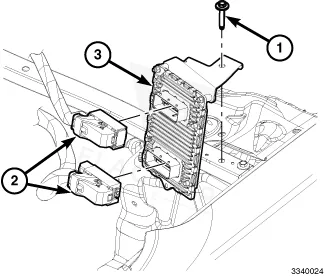
Work with the ignition off, and treat the module as static-sensitive: avoid touching the connector pins at any point.
| Operation | Configuration | Book Time |
|---|---|---|
| Powertrain Control Module Relearn | All configurations | 0.5 hr |
| Powertrain Control Module R&R | All configurations | 0.6 hr |
| Engine Control Module Relearn | All configurations | 0.5 hr |
| Engine Control Module Reset | All configurations | 0.3 hr |
| Engine Control Module R&R | All configurations | 0.6 hr |
After installing a new PCM in your 2016 Dodge Challenger 5.7L, the factory procedure requires programming the module with the original Vehicle Identification Number (VIN) and current mileage. This step is essential for the module to communicate correctly with the vehicle’s anti-theft system and other controllers. The service manual references Section 08 – Electrical/8E – Electronic Control Modules for the specific programming process. To simplify this, you can choose a VIN-programmed replacement unit from Flagship One that arrives with the correct VIN and mileage already set. This eliminates the need for a dealership visit or specialized scan tool, saving time and ensuring the module is ready to install and drive.
A failing PCM in your 2016 Dodge Challenger 5.7L can produce several noticeable symptoms. The engine may crank but not start, or it might start and stall shortly after. You could experience intermittent misfires, rough idle, or hesitation during acceleration. Transmission shifting may become erratic or harsh. The check engine light often illuminates, and a scan tool may show communication errors with the module. One common internal fault is internal control module fault P0601, which indicates a memory checksum error within the PCM. Other symptoms include poor fuel economy, surging, or the vehicle entering a limp-home mode. If you notice any of these issues, diagnosing the PCM early can prevent further drivability problems.
The following diagnostic trouble codes are documented for the PCM in the 2016 Dodge Challenger 5.7L. These codes indicate internal module faults that may require replacement or reprogramming.
| Code | Meaning | Full Guide |
|---|---|---|
| P0601 | Internal memory checksum error | Full P0601 guide → |
| P0606 | Module processor failure | Full P0606 guide → |
Factory service bulletins for the 2016 Dodge Challenger 5.7L include Safety Recall U60, which applies to Canadian-market vehicles. This recall involves reprogramming the Powertrain Control Module to address a specific concern. The bulletin is listed under Canadian Recalls and directs dealers to update the PCM software. If your vehicle is affected, the reprogramming is performed at no charge. No other service bulletins were provided for this vehicle. Always check for open recalls before replacing a module, as a software update may resolve the issue without hardware replacement.
| Bulletin | Subject | What It Addresses |
|---|---|---|
| — | Service Bulletins/Recalls • 30 – Canadian Recalls • Safety Recall U60 – Reprogram Powertrain Co | — |
The factory labor time for removing and replacing the Powertrain Control Module (PCM) or Engine Control Module (ECM) on your 2016 Dodge Challenger 5.7L is 0.6 hours. A PCM or ECM relearn procedure is listed at 0.5 hours, and an ECM reset is 0.3 hours. These times do not include diagnosis or programming.
Yes, if you install a new PCM, it must be programmed with the original Vehicle Identification Number (VIN) and mileage. The factory service manual references Section 08 – Electrical/8E – Electronic Control Modules for the programming procedure. Flagship One offers pre-programmed units that arrive with the VIN and mileage already set, eliminating that step.
Codes P0601 and P0606 are internal PCM fault codes. P0601 indicates a memory checksum error, while P0606 suggests a processor fault. Both point to a hardware issue within the module itself, often requiring replacement. Before replacing, verify the VIN and software level in the PCM as per factory caution.
When your 2016 Dodge Challenger 5.7L needs a new PCM, you have options. A dealership can install a new module and perform the required programming, but that can be costly. Alternatively, a refurbished or pre-programmed replacement unit from a specialized supplier can save time and money. Flagship One provides units that are ready to install, with the VIN and mileage already programmed, so you can get back on the road without a trip to the dealer.
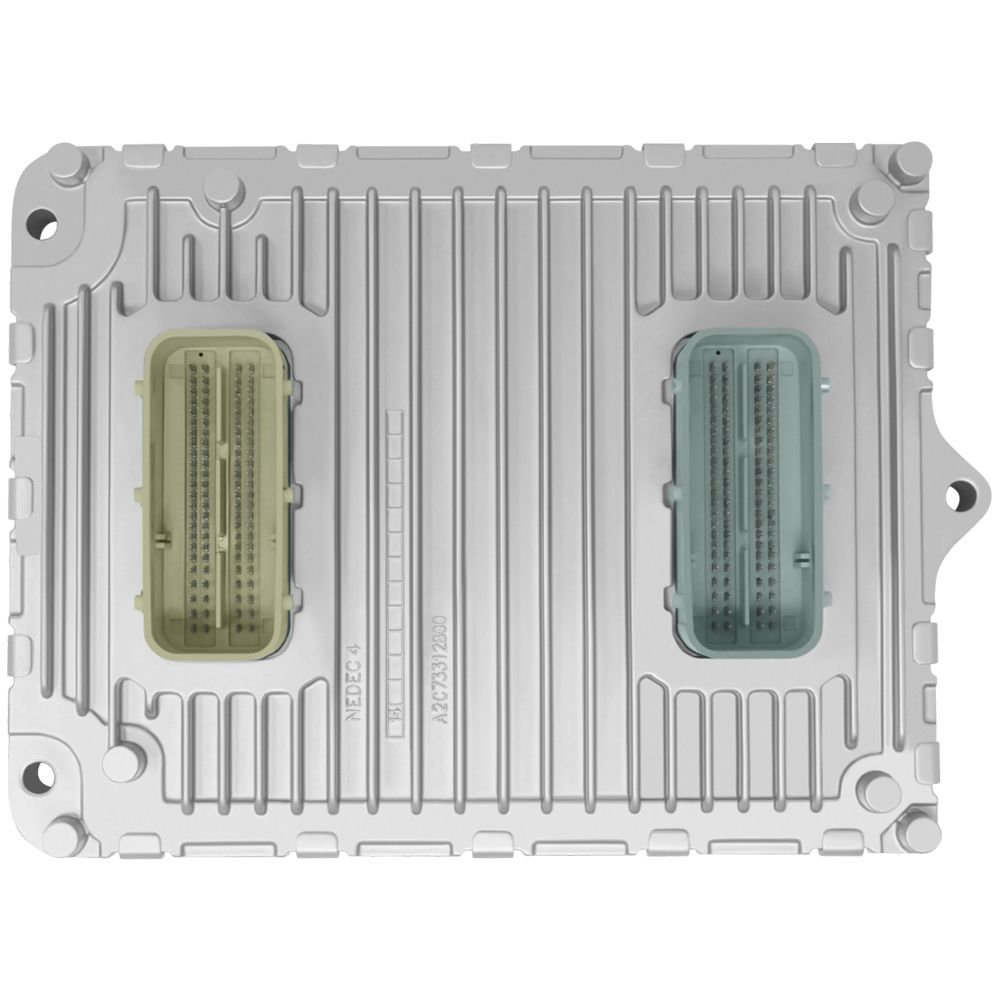
Flagship One stocks a refurbished, VIN-programmed PCM for the 2016 Dodge Challenger with a lifetime warranty, free shipping and no core charge. The full Dodge Challenger module lineup covers other engine configurations as well.
The Powertrain Control Module is a critical component in your 2016 Dodge Challenger 5.7L. Understanding its function, replacement labor times, and programming requirements helps you make the right repair decision. Whether you choose a new or pre-programmed unit, ensuring the module is correctly set up with your vehicle’s VIN and mileage is essential for proper operation.