
Last updated on August 25th, 2026 at 11:58 am
The 2014 Toyota RAV4 EV relies on its powertrain and engine control modules to manage electric motor output and battery operations. When these computers fail, they typically cause severe drivability problems, unexpected stalling, or a complete no-start condition, requiring specialized replacement procedures.
Encountering drivability issues or warning lights on your 2014 Toyota RAV4 EV can be incredibly frustrating, especially when the root cause points to internal computer failures. The powertrain and engine control modules serve as the central intelligence of your vehicle, orchestrating the complex interaction between the electric drive system and battery management. When these critical components begin to malfunction, your vehicle may exhibit a range of frustrating symptoms, from intermittent stalling to a complete inability to start. Understanding how these systems operate, where they are located, and what is required to replace them empowers you to make informed repair decisions. Navigating the specifics of module replacement, including the necessary programming and relearn procedures, often feels overwhelming for many owners. By breaking down the required labor times, typical failure signs, and factory programming requirements, you gain clarity on the repair process. This knowledge ensures you can approach the service with confidence, whether you are performing the work yourself or consulting with a trusted technician about your 2014 Toyota RAV4 EV.
2014 Toyota RAV4 EV Powertrain and
OEM programmed replacements — plug & play, no dealer visit.
Find yours by year, make & model →
Free shipping · Lifetime warranty
In the 2014 Toyota RAV4 EV, the powertrain control module and engine control module function as the primary electronic brains governing vehicle operation. Unlike traditional gasoline vehicles, this electric variant depends heavily on these computers to precisely regulate electric motor performance, battery state of charge, and complex thermal management systems. The module continuously processes data from various sensors throughout the vehicle to adjust power delivery, ensuring the electric drivetrain operates within safe and efficient parameters. Furthermore, these modules coordinate the regenerative braking system, ensuring kinetic energy is properly converted back into usable battery capacity. When these modules function correctly, you experience smooth acceleration and consistent energy management throughout your drive. However, internal circuit degradation or software faults can severely disrupt this critical communication network. Because the electric drivetrain requires exact voltage and current instructions, any deviation from normal module operation often results in immediate and noticeable drivability concerns. A failing unit may misinterpret sensor data, leading to restricted power output or sudden system shutdowns designed to protect sensitive high-voltage components. When these critical failures occur, securing RAV4 EV replacement computers becomes essential to restore proper vehicle function and drivability. Relying on a malfunctioning unit risks leaving you stranded, as the electric drivetrain cannot operate safely without precise digital oversight. Understanding the vital role these modules play helps clarify why prompt replacement is necessary when failure symptoms arise in your vehicle.
Replacing the control modules in your 2014 Toyota RAV4 EV involves specific labor times that directly impact your repair costs. Removing and installing the powertrain control module typically requires 0.8 hours of labor. Similarly, the engine control module removal and installation also requires 0.8 hours of labor. These times reflect the standard procedures for accessing and swapping the respective units. Beyond the physical swap, additional computer operations are often necessary. A powertrain control module relearn procedure accounts for 0.5 hours of labor, while an engine control module relearn also takes 0.5 hours. If an engine control module reset is performed instead of a full relearn, that procedure typically takes 0.3 hours. Technicians must follow factory-specified steps to ensure the new unit communicates correctly with the rest of the vehicle. Proper installation according to these labor guidelines ensures the 2014 Toyota RAV4 EV recognizes the replacement hardware, allowing the electric drivetrain and battery management systems to function as intended.
| Operation | Configuration | Book Time |
|---|---|---|
| Powertrain Control Module R&R | All configurations | 0.8 hr |
| Powertrain Control Module Relearn | All configurations | 0.5 hr |
| Engine Control Module Relearn | All configurations | 0.5 hr |
| Engine Control Module R&R | All configurations | 0.8 hr |
| Engine Control Module Reset | All configurations | 0.3 hr |
After installing a new module in the 2014 Toyota RAV4 EV, the factory procedure requires specific programming steps to ensure proper vehicle operation. Typically, a powertrain control module relearn requires 0.5 hours of labor, and an engine control module relearn also requires 0.5 hours of labor. In some cases, an engine control module reset may be performed, which takes 0.3 hours of labor. These procedures are necessary because a fresh, unprogrammed module does not know your vehicle’s specific identification or operational parameters. Without this critical data, the electric drivetrain may not start or function safely. However, choosing a VIN-programmed replacement unit eliminates the need for these extensive factory relearn procedures. Because the necessary vehicle identification and operational data are already flashed into the unit before it ships, you avoid the additional labor times and dealership programming fees. This pre-programming ensures your 2014 Toyota RAV4 EV can immediately recognize the new hardware, allowing for a straightforward installation and quicker return to the road.
When the powertrain or engine control module begins to fail in your 2014 Toyota RAV4 EV, several distinct symptoms often present themselves. One of the most common indicators is a complete no-start condition, where the vehicle refuses to turn over despite having adequate battery charge. You may also experience intermittent stalling while driving, which can be particularly dangerous in traffic. Since this vehicle operates as an electric model, traditional misfire codes are not applicable, but you might encounter similar drivability faults that restrict power output or cause hesitation during acceleration. Another frequent symptom involves communication failures with diagnostic scan tools, preventing technicians from reading live data or clearing fault codes from the system. Issues with shifting or power delivery may also arise if the module fails to properly communicate with the electric drive motor controller. Additionally, you might notice abnormal behavior from the cooling system, as the module controls thermal management for the battery pack. Erratic cooling fans or unexplained temperature warnings can sometimes point back to a malfunctioning computer rather than a physical cooling system fault. Internal circuit board degradation can cause these symptoms to appear sporadically at first, often worsening as the component heats up during extended operation. Addressing these signs early helps ensure accurate diagnosis and timely replacement of the faulty computer in your 2014 Toyota RAV4 EV.
Replacing the engine control module on this vehicle typically requires 0.8 hours of labor. Additionally, an engine control module relearn procedure accounts for 0.5 hours, while a reset may only take 0.3 hours.
Yes, the vehicle requires specific programming steps after installation. A powertrain control module relearn procedure typically takes 0.5 hours of labor to ensure the new unit communicates properly with the vehicle.
Yes, a failing module often prevents the electric drivetrain from operating, resulting in a no-start condition. Internal circuit degradation can disrupt critical communication between the computer and the electric motor.
Maintaining proper charging system health and ensuring electrical connectors remain clean and sealed can help prevent failures. Avoiding voltage spikes from improper jump-starts also protects the sensitive internal circuits.
A reset procedure typically clears adaptive memory and takes 0.3 hours of labor. A relearn procedure takes 0.5 hours and forces the computer to relearn operational parameters for the vehicle.
Deciding between repairing or replacing the computer in your 2014 Toyota RAV4 EV depends heavily on the specific nature of the failure. While some internal faults may be repairable, a refurbished replacement often provides a more reliable long-term solution for your electric drivetrain. Choosing a pre-programmed unit specifically tailored for this vehicle ensures seamless integration and restores drivability without the typical dealership programming delays.
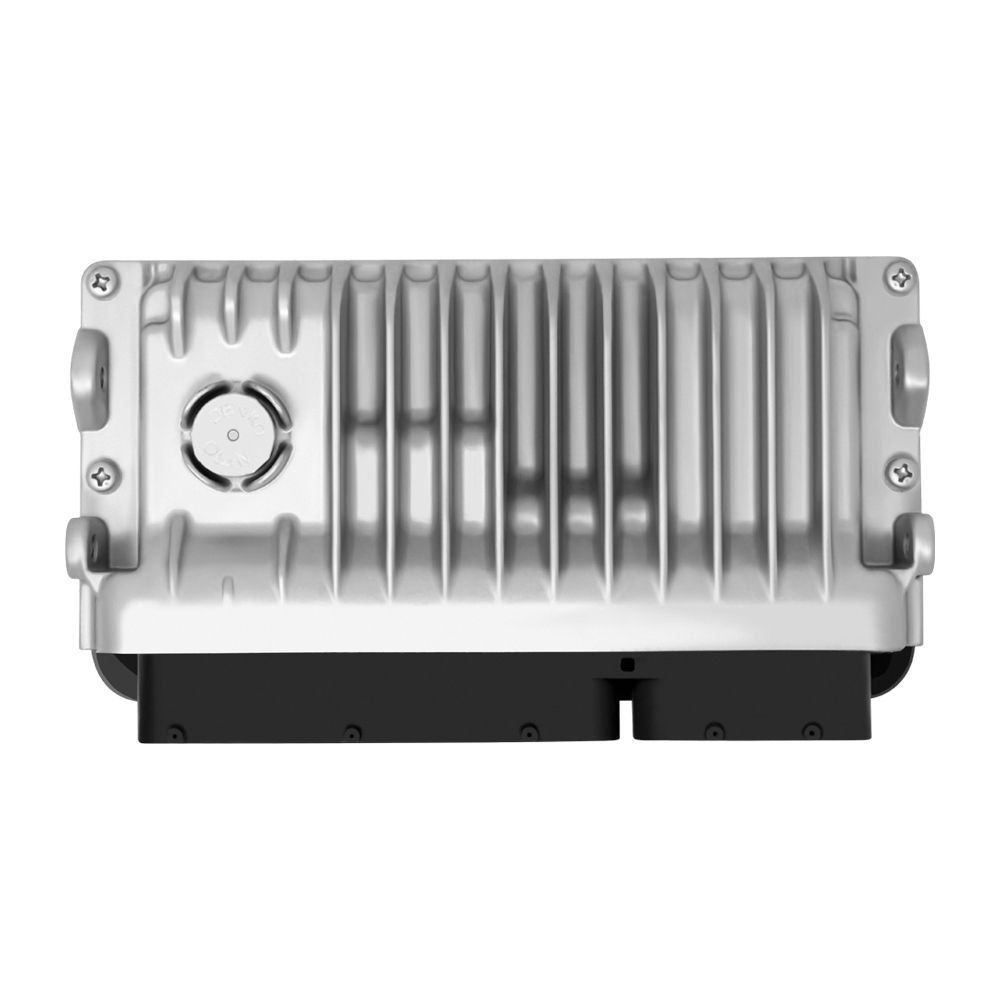
Flagship One stocks a refurbished, VIN-programmed PCM for the 2014 Toyota RAV4 EV with a lifetime warranty, free shipping and no core charge. The full Toyota RAV4 EV module lineup covers other engine configurations as well.
Addressing computer failures in your 2014 Toyota RAV4 EV promptly ensures your electric drivetrain remains fully operational and safe on every journey. Understanding the specific labor times and relearn procedures helps you navigate the repair process with confidence. When facing a faulty module, consider a pre-programmed replacement to eliminate dealership delays and get your vehicle back on the road efficiently. Proper diagnosis is the first step toward a reliable repair.