
Last updated on August 25th, 2026 at 11:58 am
The powertrain control module (PCM) and engine control module (ECM) in the 2013 Toyota RAV4 EV manage electric motor operation, battery charging, and energy distribution. When these modules fail, the vehicle may experience a no-start condition, reduced power, or an inability to charge, leaving the RAV4 EV immobilized.
When your 2013 Toyota RAV4 EV refuses to start or exhibits erratic charging behavior, the root cause often lies within its electronic control modules. The powertrain control module (PCM) and engine control module (ECM) are the central computers that orchestrate every aspect of the electric drive system, from motor torque delivery to battery management. A malfunction in either unit can leave you stranded, and diagnosing the issue requires a clear understanding of how these components interact. This article explains the role of the PCM and ECM in your RAV4 EV, details the replacement and programming procedures, and outlines the symptoms that indicate a module failure. You will learn what to expect during a professional repair, including the labor times involved, and discover how a pre-programmed replacement can simplify the process. The 2013 RAV4 EV, a collaboration between Toyota and Tesla, relies on sophisticated electronics to deliver its electric driving experience. When the PCM or ECM fails, the vehicle may not charge, may display warning lights, or may not power up at all. Understanding the difference between these modules and the steps required to replace them can save you time and prevent misdiagnosis. This guide provides a thorough overview of the module functions, common failure symptoms, and the labor involved in a professional replacement, empowering you to approach the repair with confidence.
2013 Toyota RAV4 EV
OEM programmed ECM for your 2013 Toyota RAV4 EV — plug & play, no dealer visit.
Free shipping · Lifetime warranty
The PCM and ECM in the 2013 Toyota RAV4 EV serve as the vehicle’s primary electronic control units, managing the high-voltage electric motor, inverter, and battery systems. Unlike a conventional gasoline-powered RAV4, the EV variant uses these modules to regulate power delivery from the traction battery to the electric motor, control regenerative braking, and oversee thermal management of the battery pack. The PCM acts as the main supervisory controller, interpreting driver inputs and coordinating with the ECM, which directly controls the motor inverter and monitors energy flow. When you press the accelerator, the PCM calculates the required torque and sends commands to the ECM, which then modulates the inverter to drive the motor. Additionally, these modules communicate with the battery management system to ensure safe charging and discharging. A failure in either module can disrupt this entire chain, leading to a no-start condition, inability to charge, or reduced power output. Because the RAV4 EV’s control architecture is unique, it is essential to use a module that is correctly programmed for your vehicle’s VIN and configuration. Many owners seek replacement PCMs and ECMs for the Toyota RAV4 EV that come pre-programmed to avoid the complexity of dealer-level flashing. Understanding the critical role these modules play helps you appreciate why a precise, vehicle-specific replacement is necessary for a successful repair.
The PCM and ECM are typically located behind the glovebox or under the dashboard, but exact placement can vary. Replacing the powertrain control module in the 2013 RAV4 EV requires 0.8 hours of labor according to standard book times. The engine control module replacement also carries a 0.8-hour labor estimate. After installation, a PCM relearn procedure adds 0.5 hours, while an ECM relearn takes another 0.5 hours. Additionally, an ECM reset procedure is listed at 0.3 hours. These times reflect the work needed to access the modules, swap the units, and perform the necessary electronic handshakes with the vehicle’s other systems. Because the RAV4 EV’s modules are deeply integrated with the high-voltage system, it is critical that the 12-volt battery is disconnected before any work begins to prevent electrical hazards. The replacement process involves removing trim panels, unbolting the module, and carefully disconnecting the wiring harnesses. Once the new module is secured, the relearn procedures allow it to synchronize with the immobilizer, battery management system, and other controllers. Using a module that arrives pre-programmed can eliminate the need for some of these post-installation steps, reducing the total time your vehicle spends in the shop.
| Operation | Configuration | Book Time |
|---|---|---|
| Powertrain Control Module R&R | All configurations | 0.8 hr |
| Powertrain Control Module Relearn | All configurations | 0.5 hr |
| Engine Control Module Relearn | All configurations | 0.5 hr |
| Engine Control Module R&R | All configurations | 0.8 hr |
| Engine Control Module Reset | All configurations | 0.3 hr |
After a new PCM or ECM is installed in the 2013 RAV4 EV, the factory service manual specifies several programming and relearn procedures to integrate the module with the vehicle. The PCM requires a 0.5-hour relearn process, while the ECM needs both a 0.5-hour relearn and a 0.3-hour reset. These steps typically involve using a Toyota diagnostic tool to transfer immobilizer data, calibrate the throttle position sensor, and sync the module with the battery management system. Without completing these procedures, the vehicle may not start or charge properly. However, when you source a VIN-programmed replacement PCM or ECM, these critical programming steps are already performed before the part ships. The module arrives ready to install, with your RAV4 EV’s specific VIN, mileage, and configuration data pre-loaded. This eliminates the need for a dealership visit or specialized scan tool, reducing the total labor to just the physical replacement time. For the 2013 RAV4 EV, that means the 0.8-hour R&R for the PCM or ECM is often all that is required, saving you the additional 0.5 to 0.8 hours of programming labor. This approach streamlines the repair and gets your electric SUV back on the road faster.
A failing PCM or ECM in the 2013 Toyota RAV4 EV often produces symptoms that can be mistaken for high-voltage battery issues or charging system faults. The most common sign is a complete no-start condition, where the vehicle fails to power up despite a fully charged 12-volt battery. You may also experience intermittent power loss while driving, with the RAV4 EV suddenly entering a reduced-power or limp mode. The electric motor might hesitate or surge unexpectedly during acceleration, and regenerative braking may become inconsistent or disabled. Charging problems are another hallmark: the vehicle may refuse to accept a charge from a Level 2 or DC fast charger, or the charging session may terminate prematurely. Dashboard warning lights, such as the check engine light, EV system warning, or battery malfunction indicator, often illuminate. In some cases, a scan tool may fail to communicate with the PCM or ECM, indicating a complete module failure. You might also notice that the climate control system behaves erratically, as it relies on commands from the PCM to manage the electric compressor and cabin heating. Because the RAV4 EV’s modules control the high-voltage contactors, a fault can prevent the traction battery from connecting, leaving the vehicle completely unresponsive. Other signs include a sudden loss of power steering assist, since the electric power steering system depends on data from the PCM. The vehicle may also display a ‘Check EV System’ message on the multi-information display. In some cases, the RAV4 EV may start but then immediately shut down, or the gear selector may become unresponsive. These symptoms can be intermittent at first, making diagnosis challenging, but they tend to worsen over time as the module degrades. It is important to rule out 12-volt battery issues and loose connections before condemning the PCM or ECM, as low voltage can mimic module failure.
A professional diagnostic scan is the most reliable method. If the scan tool cannot communicate with the module, or if internal fault codes are present, the module is likely defective. You should also check the 12-volt battery and main fuses, as these can produce similar symptoms.
Not necessarily. A VIN-programmed replacement module arrives with your vehicle’s specific data already loaded, so it can be installed without a dealership visit. The physical replacement and any required relearn procedures can then be performed by a qualified independent shop.
The PCM is the primary controller that oversees the entire powertrain, including torque requests and charging coordination. The ECM is subordinate and directly manages the electric motor inverter. Both must work together, and a failure in either can immobilize the vehicle.
Replacing the module involves working near high-voltage components, so it is recommended only for those with advanced electrical experience. The 12-volt battery must be disconnected, and care must be taken to avoid damaging the wiring harnesses. If you are not comfortable, a professional installation is safer.
A used module may not function correctly because it is still programmed with the original vehicle’s VIN and immobilizer data. It would require extensive reprogramming, and even then, compatibility is not guaranteed. A pre-programmed replacement ensures a plug-and-play solution.
When your 2013 RAV4 EV needs a new PCM or ECM, you have two paths: a dealership repair with new OEM parts and full programming, or a refurbished, pre-programmed module that can be installed by your local mechanic. The latter option often reduces both cost and downtime, as the module arrives ready to go. For a vehicle as electronically sophisticated as the RAV4 EV, ensuring the replacement module is correctly configured for your VIN is critical to restoring reliable operation. Choose a solution that matches your budget and timeline while delivering the performance your electric SUV demands.
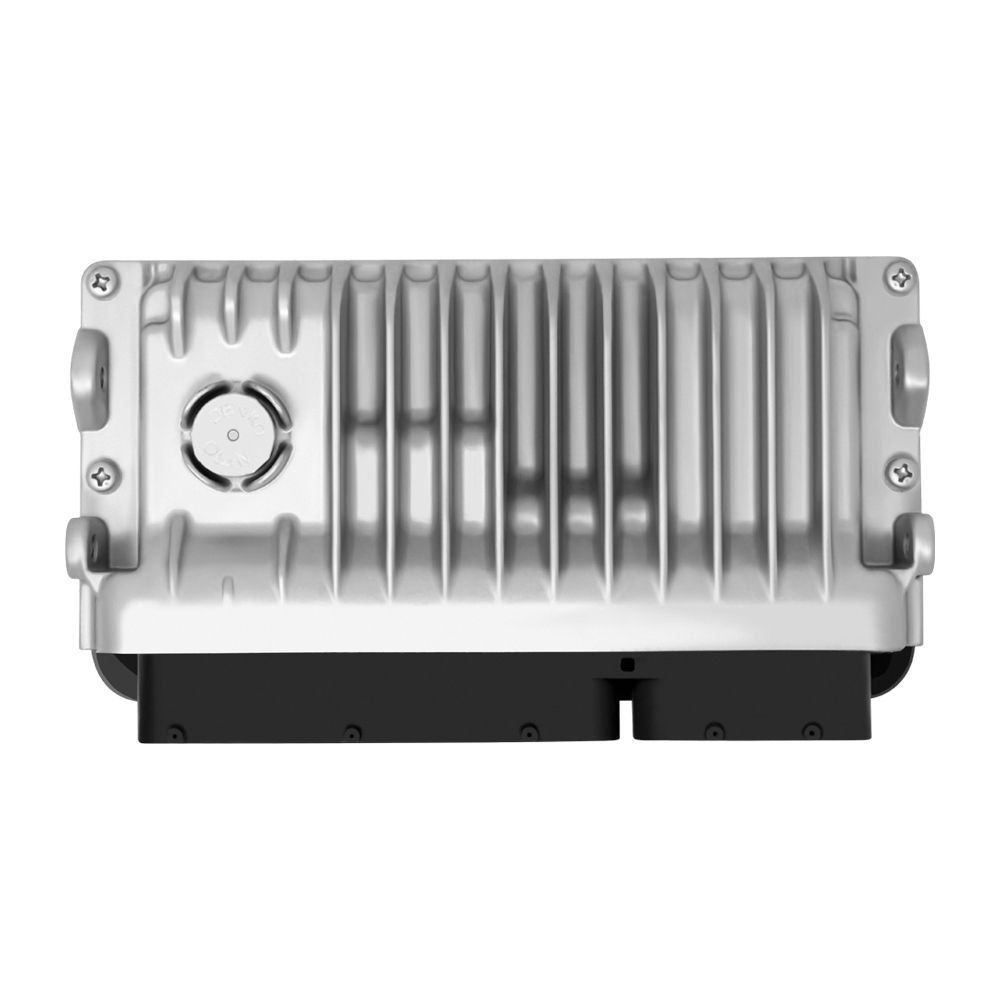
Flagship One stocks a refurbished, VIN-programmed PCM for the 2013 Toyota RAV4 EV with a lifetime warranty, free shipping and no core charge. The full Toyota RAV4 EV module lineup covers other engine configurations as well.
The 2013 Toyota RAV4 EV remains a capable electric vehicle, but its control modules can fail over time. Recognizing the symptoms and understanding the replacement process empowers you to act quickly. Whether you choose a dealer repair or a pre-programmed alternative, addressing a faulty PCM or ECM promptly will get your RAV4 EV back to delivering the quiet, efficient driving experience it was designed for. Trust a solution that prioritizes accuracy and ease of installation.