
Last updated on August 25th, 2026 at 01:46 pm
In the 2011 Nissan GT-R, the powertrain control module (PCM) and engine control module (ECM) manage fuel delivery, ignition timing, and transmission shifting. A failure typically stems from internal circuitry damage, voltage spikes, or corrupted software, leading to loss of engine management functions and related fault codes.
When a 2011 Nissan GT-R begins to exhibit intermittent power loss, rough shifting, or complete no‑start conditions, the vehicle’s electronic brain may be the culprit. The powertrain control module (PCM) and engine control module (ECM) are central to interpreting sensor data and commanding the engine and transmission. Understanding how these modules function, where they reside, and what work is required to replace them can help you make an informed decision about repair versus refurbishment. This guide walks you through the labor involved, the programming steps that follow a swap, typical symptoms, and practical steps to keep the modules healthy, giving you a clear picture of what to expect during service.
The PCM in a 2011 Nissan GT-R serves as the primary command unit for the engine and six‑speed dual‑clutch transmission, translating sensor inputs into precise fuel and ignition commands while also controlling shift timing. Its role is critical because any miscommunication can affect power delivery and emissions compliance. The ECM works alongside the PCM, focusing on engine‑specific parameters such as air‑fuel ratio and idle control. Together they ensure the high‑performance characteristics the GT‑R is known for. A failure often results from internal component wear or voltage irregularities, which may trigger diagnostic trouble codes. Proper function is essential for maintaining the vehicle’s acceleration and reliability. For replacement, you may encounter 2011 Nissan GT-R engine control module options that match factory specifications.
2011 Nissan GT-R
OEM programmed ECM for your 2011 Nissan GT-R — plug & play, no dealer visit.
Free shipping · Lifetime warranty
Both the PCM and ECM are mounted in the engine compartment, typically attached to the firewall near the intake manifold. Access usually involves disconnecting the battery, removing a few bolts, and unplugging the connector harnesses. The labor guide lists 1.9 hours for removing and reinstalling each module, reflecting the time needed to reach the unit, extract it, and secure the new part. After the hardware is in place, the PCM requires a 0.5‑hour relearn procedure, while the ECM needs a 0.3‑hour reset and a 0.5‑hour relearn. These steps ensure the new module calibrates to the vehicle’s existing sensors and control strategies.
| Operation | Configuration | Book Time |
|---|---|---|
| Powertrain Control Module R&R | All configurations | 1.9 hr |
| Powertrain Control Module Relearn | All configurations | 0.5 hr |
| Engine Control Module R&R | All configurations | 1.9 hr |
| Engine Control Module Reset | All configurations | 0.3 hr |
| Engine Control Module Relearn | All configurations | 0.5 hr |
Once the PCM or ECM is physically installed, the factory protocol calls for a series of software initialization steps, including a relearn of sensor baselines and communication parameters. For the PCM, a 0.5‑hour relearn is required, and the ECM needs a 0.3‑hour reset followed by a 0.5‑hour relearn. Flagship One units arrive pre‑programmed to the vehicle’s VIN, so a VIN-programmed replacement unit eliminates the need for those post‑install programming actions, allowing the technician to focus on mechanical installation.
A failing PCM or ECM in a 2011 Nissan GT-R may cause the engine to refuse to start, stall unexpectedly, or produce rough idle conditions. Drivers often notice delayed or harsh gear shifts, especially during rapid acceleration, as the transmission relies on PCM signals. Misfires and loss of power can accompany a loss of communication with the scan tool, making diagnostics difficult. When the internal fault powertrain control module fault appears, it points to a problem within the PCM itself, confirming the need for further inspection or replacement.
The following internal diagnostic trouble codes have been documented for the 2011 Nissan GT-R’s control modules:
| Code | Meaning | Full Guide |
|---|---|---|
| P0605 | Internal ROM error | Full P0605 guide → |
While the physical removal is straightforward, the required relearn procedures and potential programming steps make professional assistance advisable to ensure proper operation.
P0605 signals an internal malfunction within the PCM, often requiring module replacement or extensive reprogramming to resolve.
The labor guide lists 1.9 hours for removal and installation, plus an additional 0.3‑hour reset and 0.5‑hour relearn for calibration.
A refurbished unit that has been tested and VIN‑programmed can meet the original specifications, offering comparable performance to a new part.
Standard socket and torque tools are sufficient, but a scan tool is required to perform the post‑install relearn and verify communication.
When the PCM or ECM in your 2011 Nissan GT‑R shows signs of failure, you can choose a brand‑new factory replacement or a refurbished unit that meets original specifications. Both options involve the same labor steps, but a refurbished, VIN‑programmed part may reduce the need for additional software work, offering a balanced approach between cost and reliability.
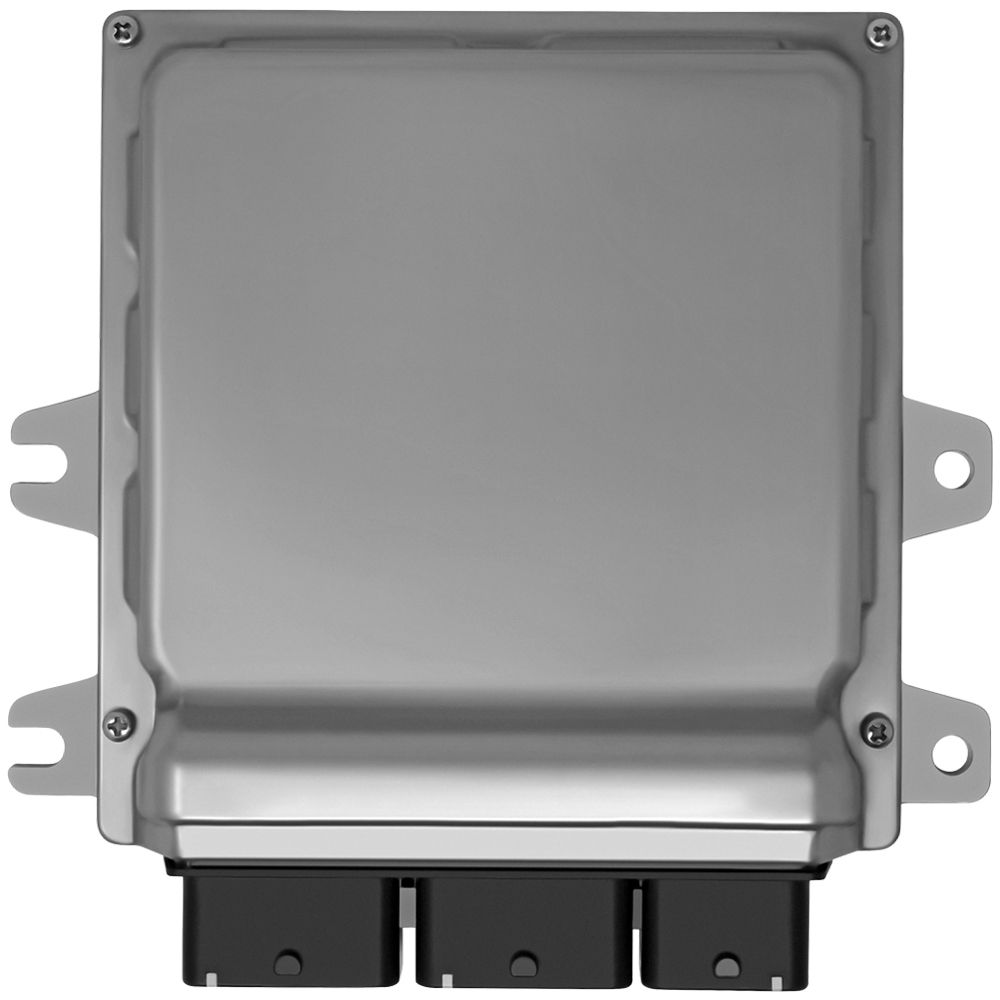
Flagship One stocks a refurbished, VIN-programmed PCM for the 2011 Nissan GT-R with a lifetime warranty, free shipping and no core charge. The full Nissan GT-R module lineup covers other engine configurations as well.
Replacing the PCM or ECM in a 2011 Nissan GT‑R restores the vehicle’s performance and drivability. Consider the labor and programming requirements, and choose a solution that fits your budget while maintaining factory standards.