
Last updated on August 25th, 2026 at 11:58 am
The Powertrain Control Module (PCM) in your 2013 Toyota 4Runner manages engine and transmission functions. Failures may cause erratic performance, no-start conditions, or stored trouble codes like P0606.
If your 2013 Toyota 4Runner suddenly stalls, cranks without starting, or throws unexpected trouble codes, the Powertrain Control Module (PCM) may be failing. This critical component oversees engine and transmission functions, and its failure can disrupt drivability. Understanding the role of the PCM, where it’s located, and what replacement involves helps you make informed decisions. You’ll also learn how factory programming requirements differ from pre-programmed replacement options, ensuring a smoother repair process.
The PCM in your 2013 Toyota 4Runner acts as the brain for engine and transmission operations. It processes sensor data to optimize fuel delivery, ignition timing, and shift points, ensuring efficient performance. When the PCM malfunctions, you may experience poor drivability, reduced fuel economy, or even a complete no-start condition. Replacing it requires careful handling, as improper installation or programming can lead to further issues. A faulty PCM may also trigger replacement engine computers for the 4Runner, which are designed to restore proper function without extensive reprogramming.
2013 Toyota 4Runner
OEM programmed replacements — plug & play, no dealer visit.
Find yours by year, make & model →
Free shipping · Lifetime warranty
The PCM in your 2013 Toyota 4Runner is located behind the lower instrument panel sub-assembly. Accessing it requires removing this panel, which adds time to the replacement process. According to factory labor estimates, removing and reinstalling the PCM typically takes 1.0 hours. If you’re performing a relearn procedure after installation, expect an additional 0.5 hours. The process involves disconnecting the battery, carefully removing the panel, and ensuring secure connections to avoid future issues.
Work with the ignition off, and treat the module as static-sensitive: avoid touching the connector pins at any point.
| Operation | Configuration | Book Time |
|---|---|---|
| Powertrain Control Module R&R | All configurations | 1.0 hr |
| Powertrain Control Module Relearn | All configurations | 0.5 hr |
| Engine Control Module Relearn | All configurations | 0.5 hr |
| Engine Control Module R&R | All configurations | 1.0 hr |
| Engine Control Module Reset | All configurations | 0.3 hr |
After replacing the PCM in your 2013 Toyota 4Runner, the factory procedure requires a relearn process to synchronize the module with the vehicle’s systems. This step typically takes 0.5 hours and ensures proper communication between the PCM and other components. However, a VIN-programmed replacement unit arrives ready to install, eliminating the need for additional programming. This saves time and reduces the risk of incomplete synchronization, which can lead to drivability issues.
A failing PCM in your 2013 Toyota 4Runner may cause a range of symptoms. You might experience intermittent stalling, rough idling, or a no-start condition. Some drivers report poor acceleration or transmission shifting issues. On a scan tool, you may see communication errors or stored codes like internal processor fault. If the module fails completely, the vehicle may not respond to diagnostic tools at all. Addressing these symptoms promptly can prevent further drivability problems.
The 2013 Toyota 4Runner’s PCM may store specific trouble codes when internal faults occur. These codes help diagnose the issue and guide repairs. One documented code for this vehicle is P0606, indicating a processor malfunction within the module.
| Code | Meaning | Full Guide |
|---|---|---|
| P0606 | Module processor failure | Full P0606 guide → |
Driving with a P0606 code may lead to erratic performance or stalling. The PCM controls critical engine functions, and ignoring the code could result in further damage. It’s best to diagnose and address the issue promptly.
Common signs include stalling, no-start conditions, or communication errors on a scan tool. You may also notice poor acceleration or transmission shifting issues. A stored code like P0606 often confirms PCM failure.
Replacement involves removing the lower instrument panel sub-assembly, which adds time to the process. While not overly complex, it requires careful handling to avoid damaging connectors or misaligning the module during reinstallation.
If your 2013 Toyota 4Runner’s PCM is failing, you have options. A repair may temporarily resolve issues, but a replacement ensures long-term reliability. Pre-programmed units eliminate the need for factory relearn procedures, saving time and reducing the risk of incomplete synchronization. Consider your vehicle’s needs and the benefits of a direct replacement.
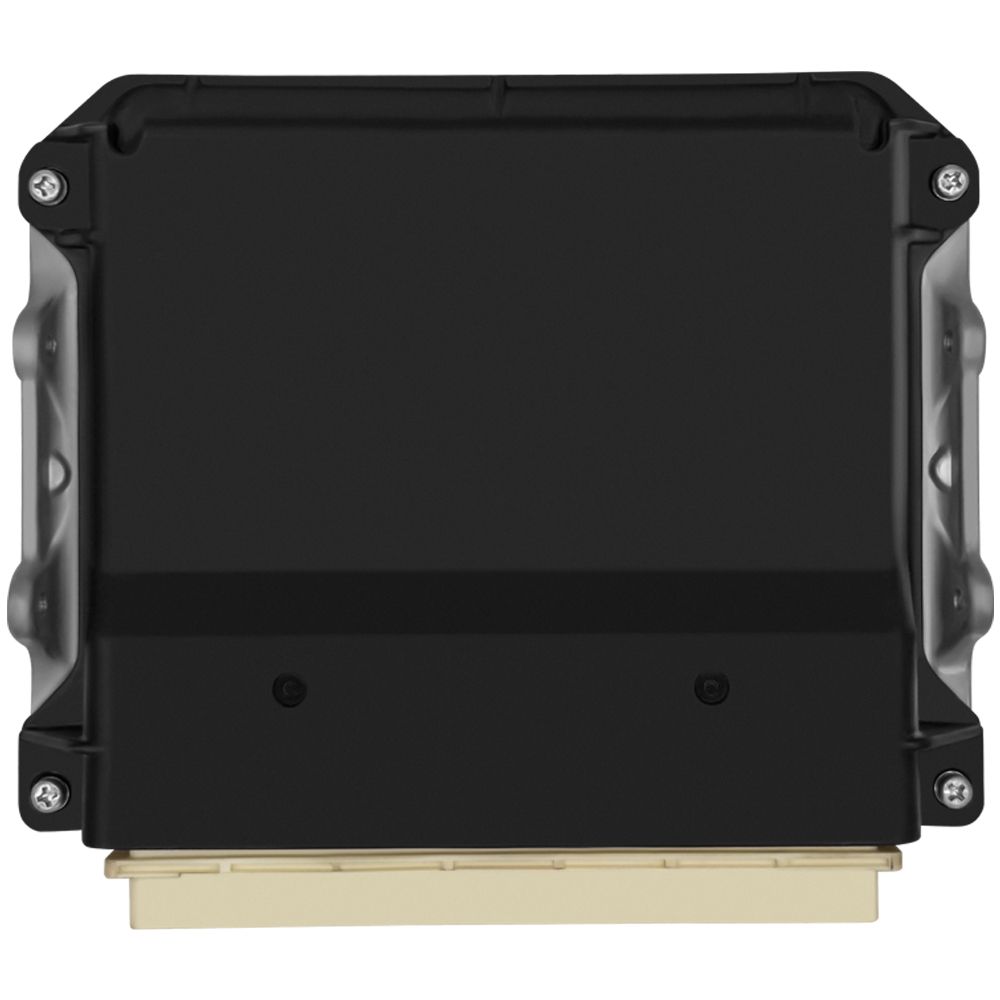
Flagship One stocks a refurbished, VIN-programmed PCM for the 2013 Toyota 4Runner with a lifetime warranty, free shipping and no core charge. The full Toyota 4Runner module lineup covers other engine configurations as well.
A failing PCM in your 2013 Toyota 4Runner can disrupt daily driving, but understanding the symptoms and replacement process helps you make informed decisions. Whether you opt for a repair or a pre-programmed replacement, addressing the issue promptly restores reliable performance. Keep your 4Runner running smoothly with the right solution.