
Last updated on August 25th, 2026 at 12:01 pm
The engine control module in the 2009 Toyota 4Runner manages essential fuel delivery and ignition timing operations. When this computer malfunctions, your vehicle may experience starting difficulties or trigger diagnostic trouble codes like P0630, requiring specific VIN relearning procedures.
Encountering drivability issues or warning lights on your 2009 Toyota 4Runner can quickly become frustrating, especially when the root cause points to the engine control module. This critical computer orchestrates various engine functions, and when it malfunctions, it often leaves you stranded or dealing with poor performance. Understanding how this component operates within your specific vehicle equips you to make informed decisions about diagnostics and repairs. You might be facing a situation where a diagnostic scan reveals specific trouble codes, or perhaps your 4Runner simply refuses to start. Navigating the complexities of engine computer replacement involves more than just swapping parts; it requires specific programming steps to ensure the vehicle accepts the new hardware. By exploring the function, location, and necessary programming for your engine control module, you gain clarity on what the repair entails. Knowing the factory requirements, such as VIN registration and relearn procedures, helps you avoid unexpected delays or additional shop fees. This guide breaks down what the module does, typical symptoms of failure, and the exact steps required to get your 2009 Toyota 4Runner back on the road reliably.
2009 Toyota 4Runner
OEM programmed ECM for your 2009 Toyota 4Runner — plug & play, no dealer visit.
Free shipping · Lifetime warranty
In the 2009 Toyota 4Runner, the engine control module serves as the central brain for the powertrain, continuously processing data from various sensors to optimize engine performance. It adjusts critical parameters like fuel injection timing, ignition spark, and idle speed based on real-time operating conditions. When you accelerate, climb a steep hill, or idle at a stoplight, this computer ensures the 4.7L engine runs efficiently and within emissions standards. A malfunctioning unit disrupts these vital calculations, often leading to noticeable drivability problems or a complete inability to start the engine. When replacing this component, choosing Toyota 4Runner engine computers ensures you have hardware designed to communicate seamlessly with your vehicle’s specific sensor network. The module also oversees the communication network for the entire powertrain, meaning a fault here can trigger a cascade of seemingly unrelated warning lights on your dashboard. Because it stores the vehicle identification number, the engine control module is intrinsically linked to the specific chassis it was installed on from the factory. This security feature means a used module from another vehicle will not start your 4Runner without proper programming. Understanding its role highlights why diagnosing faults accurately is crucial before replacing any parts, ensuring the real issue is addressed rather than just swapping components blindly.
Accessing the engine control module on your 2009 Toyota 4Runner typically requires navigating to its designated mounting area under the hood or behind the dashboard. The labor guide indicates that removing and reinstalling the powertrain control module takes 0.5 hours. Similarly, removing and reinstalling the engine control module specifically requires 0.5 hours of book time. Once the new unit is physically mounted, the engine control module relearn procedure adds another 0.5 hours to the overall service time. These timeframes reflect the standardized industry estimates for a trained technician to safely swap the hardware and initialize the basic operating parameters. During installation, ensuring the electrical connectors are fully seated and free of corrosion is essential for reliable operation. While the physical swap might seem straightforward, the subsequent relearn process is what consumes the remaining allotted time. Properly completing these steps ensures the replacement module recognizes the 4.7L engine’s mechanical characteristics and sensor baseline values.
| Operation | Configuration | Book Time |
|---|---|---|
| Powertrain Control Module R&R | All configurations | 0.5 hr |
| Engine Control Module Relearn | All configurations | 0.5 hr |
| Engine Control Module R&R | All configurations | 0.5 hr |
After replacing the engine control module on a 2009 Toyota 4Runner, the factory requires specific programming steps to ensure the vehicle recognizes the new hardware. If diagnostic trouble code P0630 is present, the VIN must be input to the ECM using the Techstream diagnostic tool. The factory notes that all DTCs are cleared automatically by the tester when inputting the VIN, which simplifies the post-installation cleanup. However, failing to perform this VIN registration will prevent the vehicle from starting or running correctly. Choosing a pre-programmed replacement unit from Flagship One eliminates the need for this specific Techstream procedure entirely. Because the module arrives already configured with your vehicle’s identification number, you avoid the dealership visit and the dedicated relearn process. The hardware is ready to communicate with the 4.7L engine immediately upon connection. This streamlined approach saves significant time and reduces the complexity of the installation, getting your 4Runner back on the road without requiring specialized diagnostic equipment.
When the engine control module begins to fail in the 2009 Toyota 4Runner, several distinct symptoms often manifest. You may experience a crank-but-no-start condition, where the engine turns over but refuses to fire due to a lack of fuel or spark command from the computer. Intermittent stalling at idle or while driving is another common indicator, often leaving you stranded or causing sudden surges in engine speed. Misfire codes frequently appear on a scanner, even when the spark plugs and ignition coils are functioning correctly. You might also encounter shifting issues, as the powertrain control module communicates directly with the transmission to govern gear changes. A complete failure can result in dead scan-tool communication, preventing your mechanic from reading any data from the diagnostic port. Additionally, an internal memory fault will trigger specific diagnostic trouble codes. For instance, encountering VIN initialization failure code indicates that the module has lost its vehicle identification data and requires reprogramming. Other related symptoms include poor fuel economy, rough idling, or unexplained activation of the check engine light alongside multiple simultaneous fault codes. Recognizing these signs early helps differentiate a failing computer from simpler mechanical issues in your 4Runner, allowing you to address the root cause rather than replacing healthy sensors.
Toyota issued service bulletin number T-SB-0064-10 covering applicable models from January 2011. This bulletin details the official Techstream ECU flash reprogramming procedure. It provides technicians with the necessary steps to update the engine control module software using the factory diagnostic tool. Ensuring the module runs the latest calibration can resolve drivability concerns or software glitches that mimic hardware failure. When having your 2009 Toyota 4Runner serviced, verifying this reprogramming procedure has been performed may prevent unnecessary module replacement. Always check this bulletin if your vehicle exhibits shifting or idling anomalies before replacing the unit entirely.
| Bulletin | Subject | What It Addresses |
|---|---|---|
| T-SB-0064-10 | 01-11 Applicable Toyota Models: Techstream ECU Flash Reprogramming Procedure | — |
This code indicates that the VIN has not been programmed into the engine control module, or the internal memory has lost this data. The factory requires inputting the VIN using the Techstream tool, which automatically clears any stored trouble codes during the process.
The industry book time for removing and reinstalling the engine control module is 0.5 hours. An additional 0.5 hours is allocated for the engine control module relearn procedure if programming is required.
While physically possible, a used module requires VIN programming using the Techstream tool before the vehicle will start. Choosing a unit that arrives pre-programmed simplifies the installation and avoids the need for specialized dealership equipment.
Yes, this bulletin covers applicable Toyota models and details the Techstream ECU flash reprogramming procedure. It may resolve software-related drivability issues without requiring a complete hardware replacement.
Yes, a completely failed module often results in a crank-but-no-start condition because it cannot command the fuel injectors or ignition coils. You may also notice a complete lack of communication with a diagnostic scan tool.
Deciding between repairing or replacing the engine computer in your 2009 Toyota 4Runner involves evaluating cost and downtime. While some shops offer repair services, a refurbished replacement often provides a more reliable long-term solution with updated software calibrations. Choosing a pre-programmed unit eliminates the hassle of VIN registration and relearn procedures, getting your vehicle back on the road efficiently.
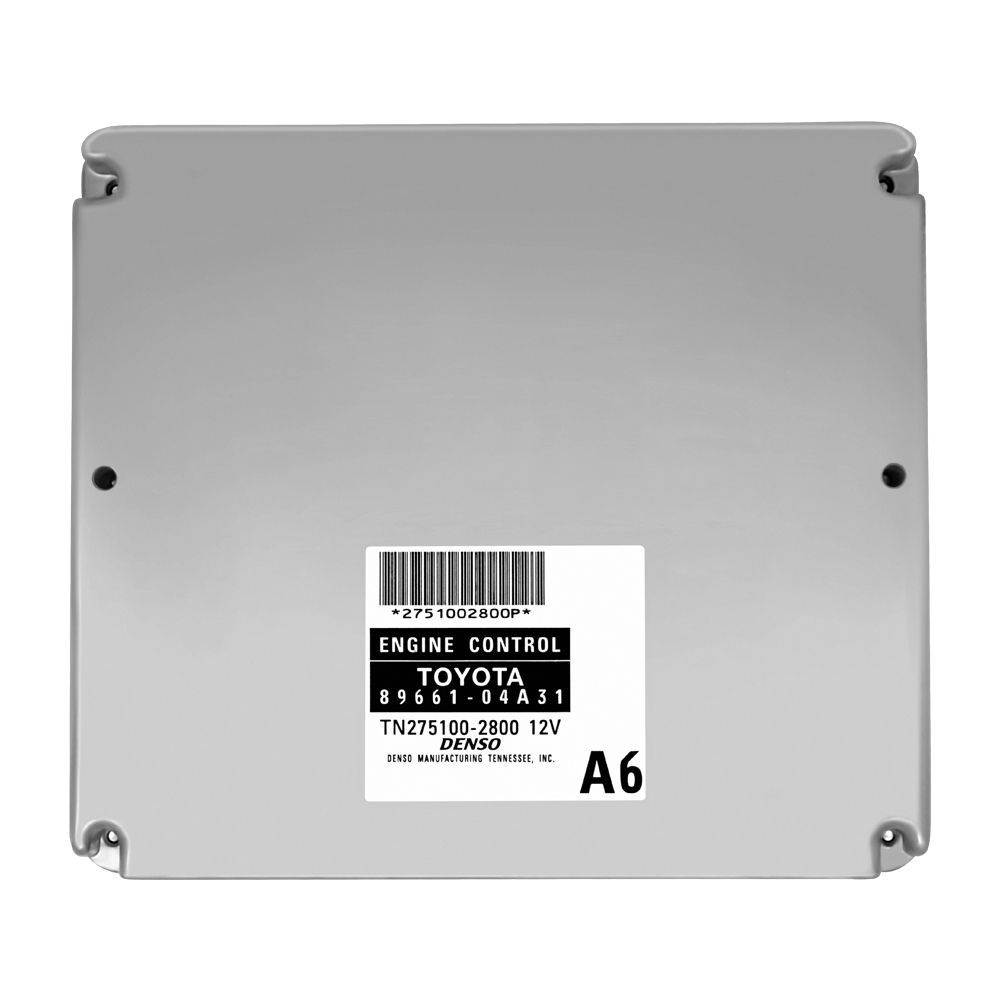
Flagship One stocks a refurbished, VIN-programmed PCM for the 2009 Toyota 4Runner with a lifetime warranty, free shipping and no core charge. The full Toyota 4Runner module lineup covers other engine configurations as well.
Addressing engine control module issues promptly ensures your 2009 Toyota 4Runner remains dependable and safe to drive. Understanding the symptoms, factory relearn requirements, and relevant service bulletins empowers you to make informed repair decisions. Whether dealing with a P0630 code or intermittent stalling, a correctly programmed replacement restores proper engine management. Explore your options today to find the right solution for your specific vehicle.