
Last updated on August 25th, 2026 at 02:05 pm
The powertrain control module (PCM) or engine control module (ECM) in the 2013 Lexus LS460 manages fuel injection, ignition timing, and emissions systems. Failure may cause drivability issues, no-start conditions, or stored trouble codes.
If your 2013 Lexus LS460 is experiencing intermittent stalling, rough idle, or a no-start condition, the powertrain control module (PCM) or engine control module (ECM) may be at fault. These critical components manage engine performance, fuel delivery, and emissions systems. Replacing or reprogramming the module can restore proper operation, but the process requires careful adherence to factory procedures. Understanding the steps involved—from access to relearn—helps you make informed decisions about repairs and avoid unnecessary delays or complications.
In the 2013 Lexus LS460, the PCM or ECM acts as the brain of the engine, continuously adjusting fuel injection, ignition timing, and emissions controls to optimize performance and efficiency. This module processes data from sensors throughout the vehicle to ensure smooth operation under varying conditions. A malfunctioning module may disrupt these adjustments, leading to poor drivability or even a complete failure to start. When replacement becomes necessary, replacement engine computers for the LS460 are designed to integrate seamlessly with the vehicle’s systems, provided they are programmed and installed correctly.
2013 Lexus LS460
OEM programmed ECM for your 2013 Lexus LS460 — plug & play, no dealer visit.
Free shipping · Lifetime warranty
The PCM/ECM in the 2013 Lexus LS460 is accessed by first disconnecting the negative battery cable. The factory cautions that a waiting period may be required after turning the ignition off before removing the cable to avoid electrical issues. Replacement involves removing the old module and installing the new one, a process that typically takes 0.5 hours of labor. The same amount of time is allocated for the relearn procedure, which ensures the module communicates properly with the vehicle’s systems after installation.
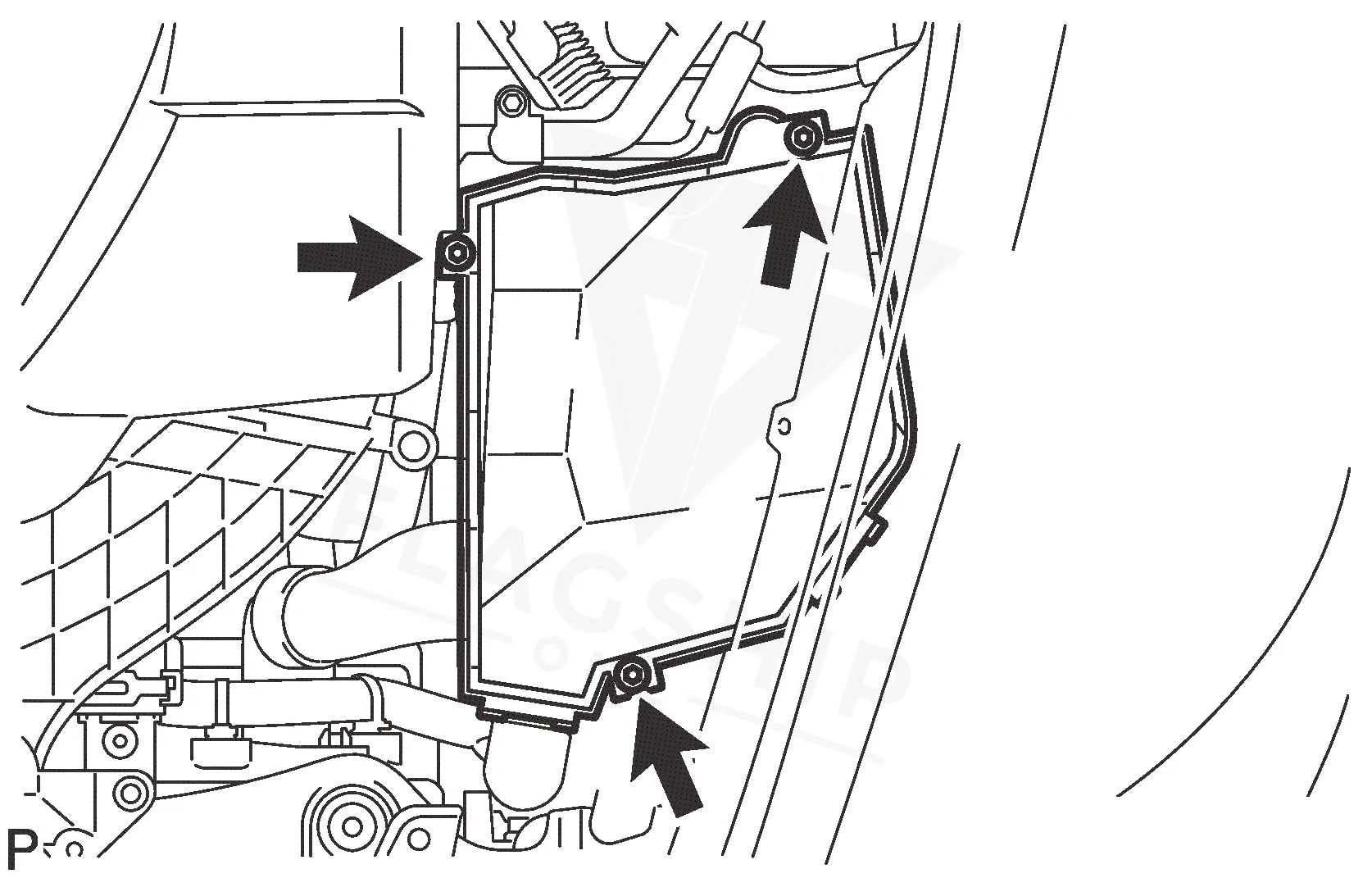
Work with the ignition off, and treat the module as static-sensitive: avoid touching the connector pins at any point.
| Operation | Configuration | Book Time |
|---|---|---|
| Powertrain Control Module Relearn | All configurations | 0.5 hr |
| Powertrain Control Module R&R | All configurations | 0.5 hr |
| Engine Control Module R&R | All configurations | 0.5 hr |
| Engine Control Module Relearn | All configurations | 0.5 hr |
After installing a new PCM or ECM in your 2013 Lexus LS460, the factory procedure requires a relearn process to synchronize the module with the vehicle’s systems. This step, which takes 0.5 hours, ensures proper communication between the module and the engine’s sensors. Flagship One units arrive as a VIN-programmed replacement unit, eliminating the need for additional programming and allowing the relearn procedure to focus solely on system calibration.
A failing PCM or ECM in the 2013 Lexus LS460 may cause a range of symptoms, including intermittent stalling, rough idle, or a no-start condition. You might also notice poor acceleration, erratic shifting, or the illumination of the check engine light. In some cases, the vehicle may log specific trouble codes, such as an internal processor fault, which indicates a problem within the module itself. If your scan tool fails to communicate with the PCM/ECM, this could also point to a module failure.
The 2013 Lexus LS460 may store specific trouble codes when the PCM or ECM experiences internal faults. These codes help diagnose the root cause of drivability issues and guide repair decisions.
| Code | Meaning | Full Guide |
|---|---|---|
| P0606 | Module processor failure | Full P0606 guide → |
Common signs include a no-start condition, intermittent stalling, or the check engine light illuminating with module-related codes like P0606. A scan tool may also fail to communicate with the module, indicating a potential failure.
The labor time for removing and reinstalling the module is typically 0.5 hours. An additional 0.5 hours is required for the relearn procedure to ensure proper system communication.
While the physical replacement is straightforward, the relearn procedure requires specialized tools and knowledge. If you’re not familiar with these steps, it’s best to have the work done by a professional to avoid complications.
If your 2013 Lexus LS460 is experiencing PCM or ECM-related issues, you have options. A repair may be possible if the module is still partially functional, but a replacement is often the most reliable solution. Flagship One provides VIN-programmed units that eliminate the need for additional programming, streamlining the installation process.
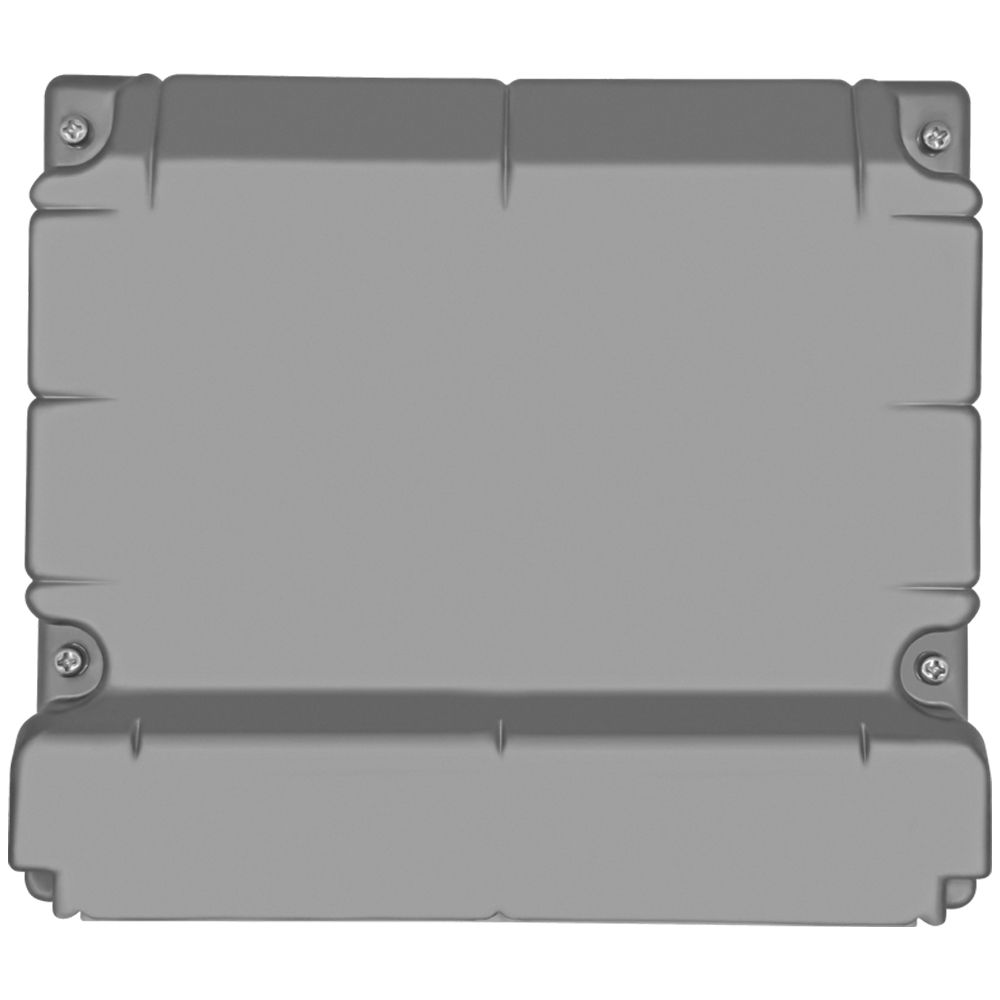
Flagship One stocks a refurbished, VIN-programmed PCM for the 2013 Lexus LS460 with a lifetime warranty, free shipping and no core charge. The full Lexus LS460 module lineup covers other engine configurations as well.
The 2013 Lexus LS460 relies on its PCM or ECM to manage critical engine functions, and a failure can lead to frustrating drivability issues. Understanding the replacement process, from access to relearn, helps you make informed decisions about repairs. Whether you opt for a repair or a replacement, addressing the issue promptly ensures your vehicle remains reliable.