
Last updated on August 25th, 2026 at 02:23 pm
The powertrain control module (PCM) in your 2013 Chevrolet Express 5.3L acts as the engine and transmission’s central computer. When it fails, you may experience no-start conditions, erratic shifting, or stored trouble codes related to internal memory or processor faults.
If your 2013 Chevrolet Express 5.3L has been stalling unexpectedly or logging persistent trouble codes, the powertrain control module (PCM) may be the root cause. This critical component oversees engine performance and transmission behavior, and its failure can lead to a range of drivability issues. Understanding the PCM’s role, replacement process, and common symptoms helps you make informed decisions about repairs. You’ll also learn what steps are required after installation to ensure your vehicle runs smoothly again.
In your 2013 Chevrolet Express 5.3L, the powertrain control module (PCM) serves as the brain for both engine and transmission operations. It processes data from sensors to adjust fuel delivery, ignition timing, and shift points, ensuring optimal performance and efficiency. A malfunctioning PCM may disrupt these functions, leading to poor drivability or even a no-start condition. When replacement becomes necessary, you’ll need replacement engine computers for the Express that match the original specifications. The module’s reliability directly impacts your vehicle’s ability to meet emissions standards and maintain smooth operation under varying driving conditions.
The PCM in your 2013 Chevrolet Express 5.3L is typically located in the engine bay, mounted near the firewall or on the passenger side inner fender. Replacing it involves disconnecting the battery, removing the electrical connectors, and unbolting the module from its mounting bracket. Factory labor time for PCM removal and reinstallation is 1.8 hours. After installation, a relearn procedure is required, which adds another 0.5 hours to the process. No special tools are specified, but care should be taken to avoid damaging the connectors or mounting points during the swap.
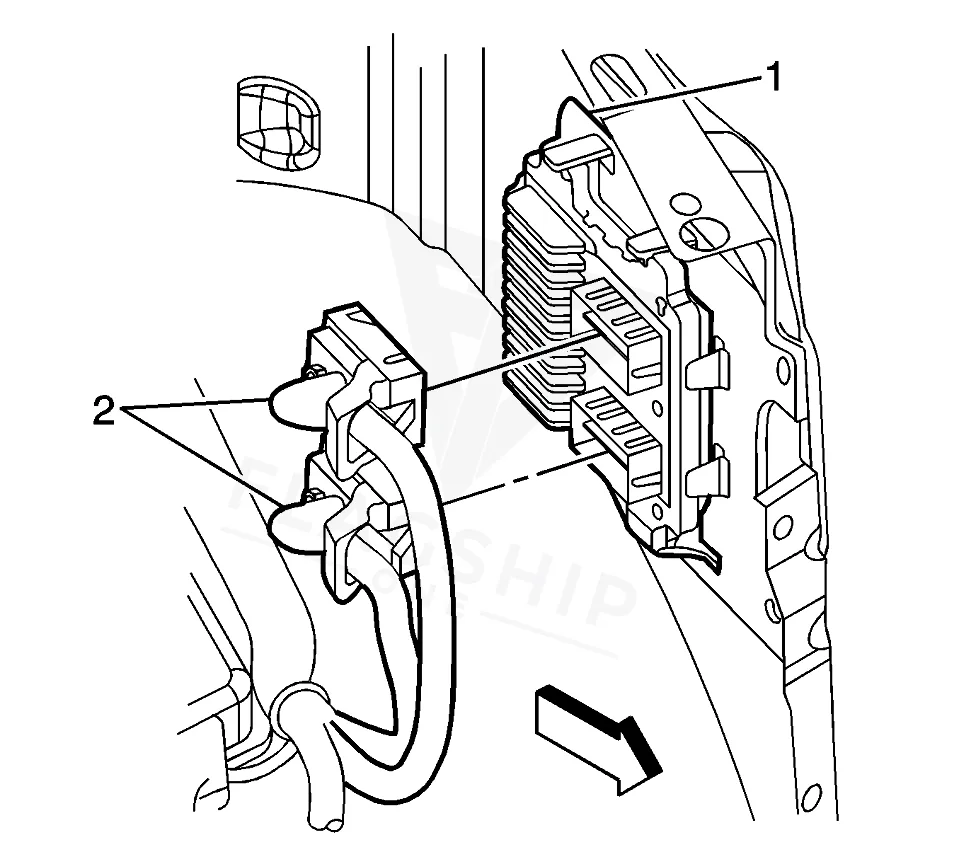
Work with the ignition off, and treat the module as static-sensitive: avoid touching the connector pins at any point.
| Operation | Configuration | Book Time |
|---|---|---|
| Powertrain Control Module R&R | 4.3L | 0.6 hr |
| Powertrain Control Module R&R | 5.3L | 1.8 hr |
| Powertrain Control Module R&R | 6.0L | 1.8 hr |
| Powertrain Control Module R&R | 6.6L | 1.9 hr |
| Powertrain Control Module R&R | 4.8L | 1.8 hr |
| Powertrain Control Module Relearn | Express 1500 | 0.5 hr |
| Powertrain Control Module Relearn | Express 2500 | 0.5 hr |
| Powertrain Control Module Relearn | Express 3500 | 0.5 hr |
2013 Chevrolet Express 5.3L
OEM programmed ECM for your 2013 Chevrolet Express 5.3L — plug & play, no dealer visit.
Free shipping · Lifetime warranty
After installing a new PCM in your 2013 Chevrolet Express 5.3L, the factory procedure requires a relearn process to synchronize the module with the vehicle’s systems. This typically takes 0.5 hours and involves using a scan tool to reset adaptive values. However, if you opt for a VIN-programmed replacement unit, these steps are already completed, saving you time and ensuring the module is ready for immediate use. This eliminates the need for additional programming at the time of installation, though a quick drive cycle may still be recommended to confirm proper operation.
A failing PCM in your 2013 Chevrolet Express 5.3L may cause a variety of symptoms, including intermittent stalling, rough idle, or a no-start condition. You might also notice erratic shifting from the transmission or a loss of communication with diagnostic scan tools. Internal faults often trigger trouble codes like internal control module memory checksum error, which indicate issues with the module’s memory or processing capabilities. These symptoms can appear gradually or suddenly, depending on the nature of the failure, and may worsen over time if left unaddressed.
The 2013 Chevrolet Express 5.3L may log specific trouble codes when the PCM experiences internal faults. These codes help pinpoint issues related to memory, processor, or communication failures within the module itself.
Factory service bulletins for the 2013 Chevrolet Express address several PCM-related concerns. Bulletin #PIP5084A discusses harsh shifting and illuminated MIL conditions linked to transmission control module (TCM) codes P0716 and P0717. Another bulletin, #08-06-04-006L, provides guidance on identifying non-GM ECM calibrations and verifying calibration IDs in Duramax diesel engines. Additionally, #13102 outlines a product emission recall involving ECU calibration updates. These bulletins highlight the importance of proper module calibration and programming to maintain vehicle performance and compliance.
| Bulletin | Subject | What It Addresses |
|---|---|---|
| — | Harsh Shift Illuminated MIL DTC P0716 And Or P0717 May Be Current Or In History In The TCM – (J | — |
| 08-06-04-006 | Information for Identifying Non-GM ECM Calibration Use and Power-up Hardware Detection in Duram | — |
| — | Product Emission Recall – Electronic Control Unit (ECU) Calibration – (May 1, 2013) | — |
Intermittent stalling in your Express may stem from a failing PCM, particularly if the module is experiencing internal faults or communication issues. Symptoms like this often coincide with trouble codes related to memory or processor errors. A diagnostic scan can help confirm whether the PCM is the root cause.
The factory labor time for PCM removal and reinstallation in your 2013 Express 5.3L is 1.8 hours. This includes disconnecting the battery, removing the module, and reinstalling the new unit. An additional 0.5 hours is required for the relearn procedure.
Yes, the factory procedure requires a relearn process after PCM replacement, which typically takes 0.5 hours. However, a VIN-programmed replacement unit from Flagship One arrives ready for installation, eliminating the need for additional programming.
When your 2013 Chevrolet Express 5.3L requires a PCM replacement, you have options ranging from new OEM units to refurbished modules. Refurbished units often provide a cost-effective solution while maintaining reliability. Given the labor involved, selecting a pre-programmed module can save time and ensure your vehicle is back on the road without unnecessary delays.
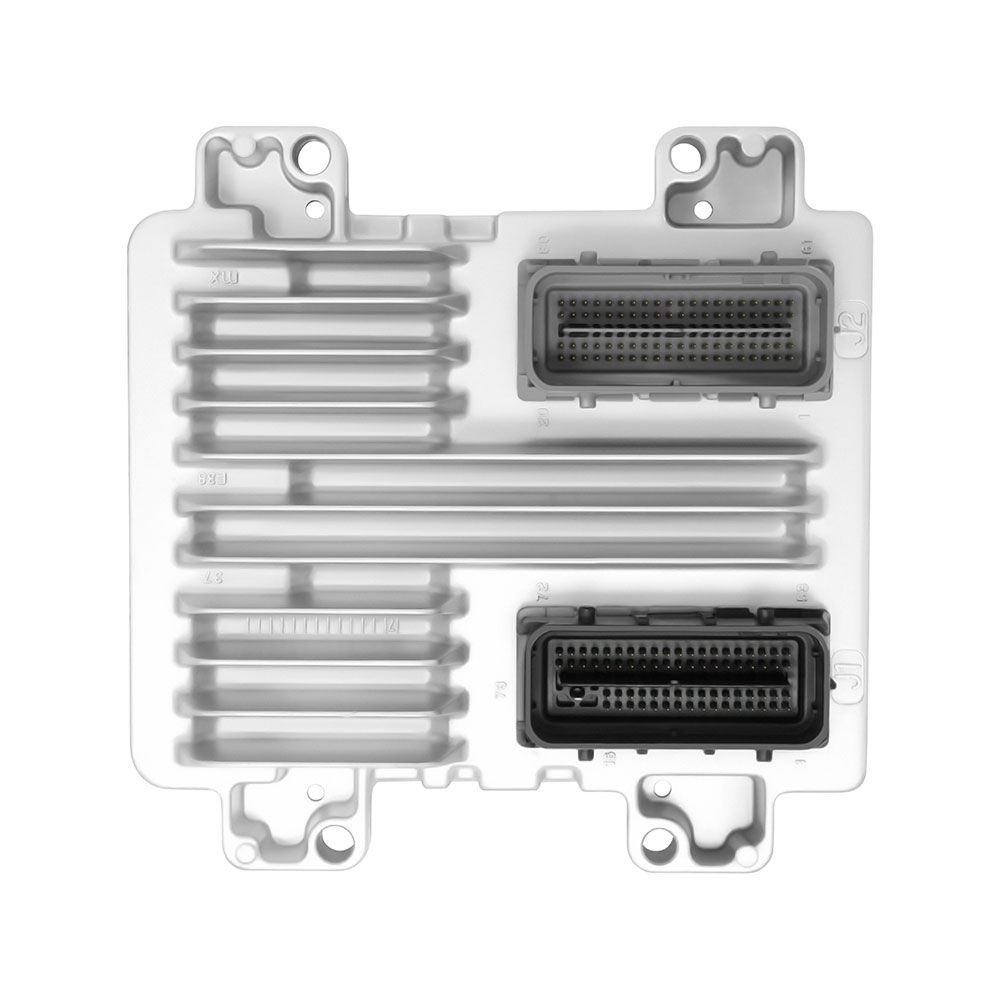
Flagship One stocks a refurbished, VIN-programmed PCM for the 2013 Chevrolet Express with a lifetime warranty, free shipping and no core charge. The full Chevrolet Express module lineup covers other engine configurations as well.
The PCM in your 2013 Chevrolet Express 5.3L plays a critical role in engine and transmission performance. If you’re experiencing symptoms like stalling, misfires, or trouble codes, addressing the issue promptly can restore reliable operation. Whether you choose a new or refurbished replacement, ensuring proper programming and installation will help keep your Express running smoothly.