
Last updated on August 25th, 2026 at 01:46 pm
The Engine Control Module (ECM) in your 2012 Nissan Xterra manages fuel delivery, ignition timing, and emissions systems. Failures may cause erratic engine behavior, poor performance, or complete stalling, often triggered by voltage spikes or corrosion.
If your 2012 Nissan Xterra has been stalling unexpectedly, refusing to start, or throwing cryptic engine codes, the Engine Control Module (ECM) may be the culprit. This small but critical computer manages everything from fuel injection to ignition timing, and when it fails, your vehicle’s performance can suffer dramatically. Replacing it isn’t just about swapping a part—it involves precise labor, potential programming steps, and understanding how to avoid damaging the new unit. Knowing what to expect can save you time, frustration, and unnecessary costs. Whether you’re diagnosing symptoms or preparing for a replacement, this guide covers the essentials: what the ECM does, where it’s located, how to replace it safely, and why choosing the right replacement unit matters for your Xterra’s reliability.
The Engine Control Module in your 2012 Nissan Xterra acts as the brain of the engine, continuously monitoring sensors and adjusting fuel, air, and spark to keep everything running smoothly. It ensures optimal performance, fuel efficiency, and emissions compliance by interpreting data from components like the oxygen sensors, throttle position sensor, and crankshaft position sensor. Without a functioning ECM, your Xterra may struggle to start, run roughly, or even enter a fail-safe mode that limits power. Over time, exposure to heat, moisture, or voltage irregularities can degrade the module’s internal circuitry, leading to intermittent or permanent failures. When replacement becomes necessary, opting for replacement engine control modules for the Xterra ensures compatibility and avoids the hassle of manual programming. The ECM’s role is so central that even minor glitches can trigger a cascade of issues, making timely diagnosis and repair essential for maintaining your vehicle’s drivability.
2012 Nissan Xterra
OEM programmed replacements — plug & play, no dealer visit.
Find yours by year, make & model →
Free shipping · Lifetime warranty
In the 2012 Nissan Xterra, the ECM is mounted inside the cabin, typically behind the dashboard on the passenger side. Accessing it requires removing interior trim panels and possibly the glove box or lower dash cover, depending on the exact configuration. The replacement process involves disconnecting the battery, unplugging the wiring harness, and removing the mounting bolts that secure the module in place. Once the old ECM is out, the new unit is installed in reverse order, ensuring all connectors are properly seated and free of corrosion. According to factory labor estimates, the removal and reinstallation (R&R) procedure takes approximately 1.8 hours. There are no specific torque specifications provided for the mounting bolts, but they should be tightened securely to prevent vibration or movement. Given the module’s location, it’s important to work carefully to avoid damaging surrounding components or leaving loose fasteners behind.
| Operation | Configuration | Book Time |
|---|---|---|
| Powertrain Control Module R&R | All configurations | 1.8 hr |
| Powertrain Control Module Relearn | All configurations | 0.5 hr |
| Engine Control Module R&R | All configurations | 1.8 hr |
| Engine Control Module Relearn | All configurations | 0.5 hr |
After replacing the ECM in your 2012 Nissan Xterra, the factory procedure requires a relearn process to synchronize the new module with the vehicle’s systems. This typically involves using a scan tool to perform a series of calibrations, which can add 0.5 hours of labor to the job. The relearn ensures the ECM recognizes the engine’s sensors, throttle position, and other critical inputs, preventing issues like poor idle, stalling, or transmission shifting problems. However, if you install a VIN-programmed replacement unit, these steps are already completed before the module arrives. This not only saves time but also reduces the risk of errors during the relearn process, which can sometimes require multiple attempts or dealer-level tools. While the factory procedure is straightforward, skipping it with a pre-programmed unit simplifies the repair and gets your Xterra back on the road faster.
When the ECM in your 2012 Nissan Xterra begins to fail, the symptoms can range from subtle to severe, often mimicking other issues like fuel pump or sensor problems. One of the most common signs is a no-start condition, where the engine cranks but refuses to fire, sometimes accompanied by a lack of spark or fuel injection. Stalling at idle or during acceleration is another frequent complaint, as the ECM struggles to maintain consistent engine operation. You may also notice poor fuel economy, rough idling, or a check engine light that illuminates intermittently. In some cases, the vehicle may enter a fail-safe mode, limiting power to prevent further damage. Scan tool communication issues, where the ECM fails to respond to diagnostic requests, are a strong indicator of internal module failure. Trouble codes like internal control module ROM error often appear, pointing directly to the ECM as the source of the problem. Other related codes may include misfire or sensor-related faults, but these can sometimes be secondary effects of a failing ECM rather than the root cause. If your Xterra exhibits any of these symptoms, it’s worth testing the ECM’s power and ground circuits before assuming the module itself is faulty, as poor connections or voltage irregularities can produce similar issues.
The 2012 Nissan Xterra’s ECM can generate specific internal trouble codes when its circuitry or memory fails. These codes are distinct from sensor or actuator faults and typically indicate a problem within the module itself. The most common code documented for this vehicle is P0605, which signals an issue with the ECM’s read-only memory (ROM).
| Code | Meaning | Full Guide |
|---|---|---|
| P0605 | Internal ROM error | Full P0605 guide → |
Random stalling in your Xterra can stem from several issues, but the ECM is a likely suspect if the problem occurs without warning and is accompanied by other symptoms like poor idle or no-start conditions. The ECM controls fuel injection and ignition timing, so if it fails intermittently, the engine may cut out unexpectedly. A scan tool can help confirm whether the ECM is generating fault codes or losing communication with sensors during these events.
Start by checking the ECM’s power and ground circuits with a multimeter. If voltage and ground readings are within specifications but the module still behaves erratically, the ECM itself may be faulty. Additionally, if the scan tool fails to communicate with the ECM or throws internal module codes like P0605, the issue is likely with the ECM rather than the wiring. Corrosion or damaged connectors can mimic ECM failure, so inspect these thoroughly before replacing the module.
Driving with a failing ECM is risky, as it can lead to unpredictable engine behavior, including stalling or sudden loss of power. In some cases, the vehicle may enter a fail-safe mode that limits performance to prevent damage, but this isn’t guaranteed. If the ECM is intermittently failing, it could also cause misfires or poor fuel delivery, potentially damaging the catalytic converter over time. It’s best to address ECM issues promptly to avoid further complications.
In your 2012 Nissan Xterra, the terms ECM (Engine Control Module) and PCM (Powertrain Control Module) are often used interchangeably, but they refer to the same component. The ECM/PCM manages both engine functions (fuel, ignition, emissions) and, in some vehicles, transmission control. For your Xterra, the module is responsible for engine performance, so whether it’s called an ECM or PCM, the replacement and programming procedures remain the same.
Yes, the factory procedure requires a relearn process after installing a new ECM to synchronize it with your Xterra’s systems. This typically involves using a scan tool to perform calibrations, which can take about 0.5 hours. However, if you install a VIN-programmed replacement unit from Flagship One, this step is already completed, saving you time and ensuring the module is ready to go right out of the box.
If your 2012 Nissan Xterra is exhibiting signs of ECM failure, you have a few options to consider. A repair shop may attempt to reflash or replace the module, but this often involves additional labor for programming and relearn procedures. Alternatively, opting for a refurbished or new replacement unit can streamline the process, especially if the module arrives pre-programmed to your vehicle’s VIN. Given the labor involved in accessing and replacing the ECM, choosing a unit that eliminates post-install steps can reduce downtime and ensure a smoother repair experience.
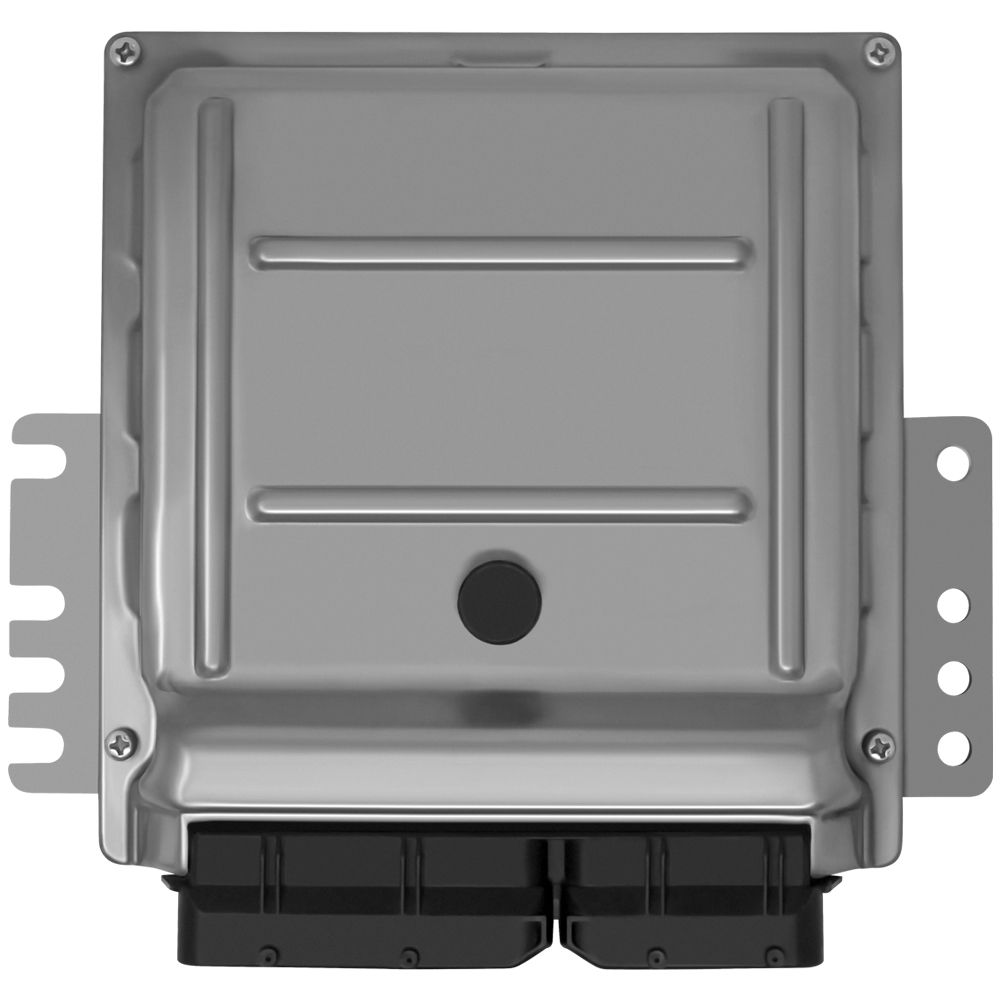
Flagship One stocks a refurbished, VIN-programmed PCM for the 2012 Nissan Xterra with a lifetime warranty, free shipping and no core charge. The full Nissan Xterra module lineup covers other engine configurations as well.
The ECM in your 2012 Nissan Xterra plays a critical role in keeping your engine running smoothly, and when it fails, the symptoms can be frustrating and unpredictable. Whether you’re dealing with a no-start condition, stalling, or persistent trouble codes, understanding the replacement process and your options can make the repair more manageable. With the right replacement unit and a clear plan, you can restore your Xterra’s reliability and get back on the road with confidence. If you suspect ECM issues, addressing them promptly will help avoid further complications down the line.