
Last updated on August 25th, 2026 at 12:20 pm
The Engine Control Module (ECM) in your 2013 Nissan Xterra manages fuel injection, ignition timing, and emissions systems. Failure may cause erratic engine behavior, stalling, or a complete no-start condition.
If your 2013 Nissan Xterra has been stalling unexpectedly, refusing to start, or throwing cryptic engine codes, the Engine Control Module (ECM) may be the culprit. This small but critical computer manages everything from fuel delivery to ignition timing, and when it fails, your vehicle’s performance can suffer dramatically. Replacing the ECM isn’t just about swapping a part—it involves precise labor, programming, and adherence to factory procedures to ensure your Xterra runs reliably again. Understanding the process, from diagnosis to installation, helps you make informed decisions and avoid unnecessary complications. Whether you’re a DIY enthusiast or relying on a shop, knowing what to expect can save time, money, and frustration. This guide covers the essentials: what the ECM does, how to spot failure symptoms, and what replacement entails for your specific vehicle.
The Engine Control Module in your 2013 Nissan Xterra acts as the brain of the engine, continuously monitoring sensors and adjusting fuel injection, ignition timing, and emissions controls for optimal performance. Without a functioning ECM, your vehicle may struggle to start, run roughly, or even enter a fail-safe mode that limits power. This module is particularly critical in the Xterra’s 4.0L engine, where precise fuel and air management are essential for both power and efficiency. When the ECM fails, it often triggers internal trouble codes, such as those related to memory or processor errors, which can be read with a scan tool. Replacement isn’t as simple as bolting in a new unit—it requires careful handling to avoid damaging sensitive components. If you’re considering replacement engine computers for the Xterra, ensure the unit is compatible with your vehicle’s VIN to avoid compatibility issues. Proper installation and programming are key to restoring your Xterra’s drivability and preventing recurring problems.
2013 Nissan Xterra
OEM programmed ECM for your 2013 Nissan Xterra — plug & play, no dealer visit.
Free shipping · Lifetime warranty
The ECM in your 2013 Nissan Xterra is located inside the cabin, typically mounted beneath the dashboard on the passenger side. Accessing it requires removing interior trim panels, which adds to the labor time. According to factory estimates, replacing the ECM takes about 1.8 hours, as the technician must carefully disconnect wiring harnesses and secure the new module in place. There are no specific torque specifications provided for this procedure, but care must be taken to avoid damaging connectors or the module itself during installation. Once the new ECM is installed, the vehicle will require a relearn procedure, which adds another 0.5 hours of labor. This step ensures the module synchronizes with the engine’s sensors and other onboard systems, allowing your Xterra to operate smoothly.
| Operation | Configuration | Book Time |
|---|---|---|
| Powertrain Control Module R&R | All configurations | 1.8 hr |
| Powertrain Control Module Relearn | All configurations | 0.5 hr |
| Engine Control Module R&R | All configurations | 1.8 hr |
| Engine Control Module Relearn | All configurations | 0.5 hr |
After replacing the ECM in your 2013 Nissan Xterra, the factory procedure requires a relearn process to ensure the new module communicates correctly with the engine and transmission. This typically involves using a scan tool to reset adaptive values and synchronize the ECM with the vehicle’s immobilizer system. The process takes about 0.5 hours of labor, but it’s a critical step—skipping it may result in poor engine performance, stalling, or even a no-start condition. However, if you opt for a VIN-programmed replacement unit, these steps are already completed before the module arrives. Flagship One units are pre-programmed to your vehicle’s VIN, eliminating the need for post-installation relearn procedures. This not only saves time but also reduces the risk of errors during the programming process, ensuring your Xterra is ready to drive as soon as the installation is finished.
When the ECM in your 2013 Nissan Xterra begins to fail, you may notice a range of symptoms that can vary in severity. One of the most common signs is a no-start condition, where the engine cranks but refuses to fire. Stalling or rough idling may also occur, particularly when the vehicle is warm or under load. Some drivers report intermittent misfires or a noticeable drop in fuel efficiency, as the ECM struggles to maintain proper air-fuel ratios. In some cases, the check engine light will illuminate, and a scan tool may reveal internal trouble codes like ECM processor fault. Dead communication with a scan tool is another red flag, indicating the ECM is no longer responding to diagnostic requests. Shifting issues, such as delayed or harsh gear changes, may also arise if the ECM fails to communicate properly with the transmission control module. These symptoms often worsen over time, so addressing them promptly can prevent further damage to your Xterra’s engine or drivetrain.
The 2013 Nissan Xterra’s ECM may generate specific internal trouble codes when it experiences faults. These codes help pinpoint issues within the module itself, such as memory errors or processor failures. Identifying these codes early can prevent more extensive engine problems.
| Code | Meaning | Full Guide |
|---|---|---|
| P0605 | Internal ROM error | Full P0605 guide → |
Common signs include a no-start condition, stalling, rough idling, or a check engine light with internal trouble codes like P0605. Dead scan tool communication is another strong indicator of ECM failure. If these symptoms appear, a professional diagnosis is recommended.
While it’s possible for experienced DIYers, replacing the ECM requires careful handling of electrical connectors and interior trim removal. The factory also mandates a relearn procedure, which typically requires a scan tool. If you’re unfamiliar with these steps, professional installation is advised.
Skipping the relearn procedure may result in poor engine performance, stalling, or a no-start condition. The ECM needs to synchronize with the vehicle’s sensors and immobilizer system to function correctly. Pre-programmed units eliminate this step.
Nissan advises against using ECM ground terminals for voltage measurements, as this may damage the module’s internal transistors. Always follow factory procedures to avoid unintended consequences.
Factory labor estimates indicate 1.8 hours for replacement and an additional 0.5 hours for the relearn procedure. Pre-programmed units can reduce the total time by eliminating the relearn step.
If your 2013 Nissan Xterra is experiencing ECM-related issues, you have options for repair or replacement. While some shops may attempt to reflash or repair the existing module, a replacement unit ensures reliability and compatibility with your vehicle’s systems. Flagship One offers VIN-programmed ECMs designed specifically for the Xterra, eliminating the need for post-installation programming. This can save time and reduce the risk of errors during the replacement process. Whether you choose a new or refurbished unit, ensure it meets factory specifications for your vehicle’s year and engine configuration.
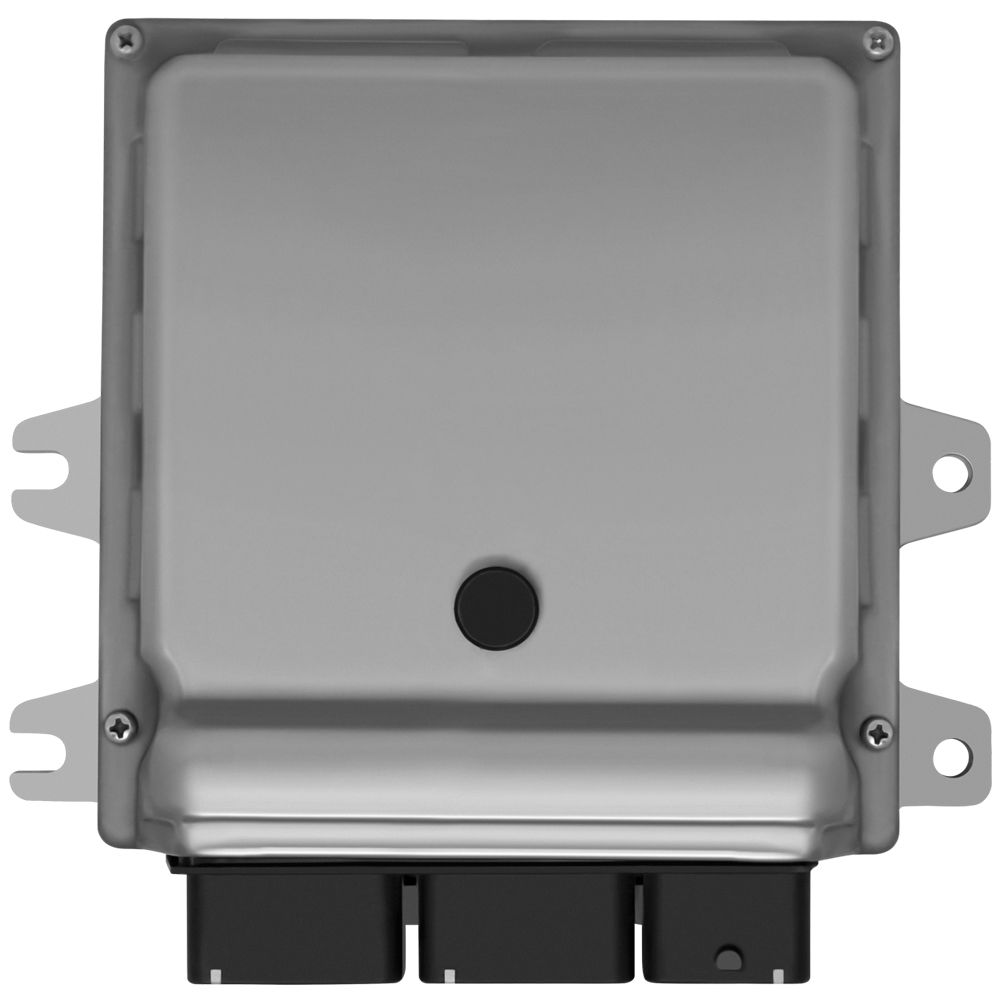
Flagship One stocks a refurbished, VIN-programmed PCM for the 2013 Nissan Xterra with a lifetime warranty, free shipping and no core charge. The full Nissan Xterra module lineup covers other engine configurations as well.
The ECM in your 2013 Nissan Xterra plays a vital role in keeping your engine running smoothly. When it fails, symptoms like stalling, no-start conditions, or internal trouble codes can disrupt your daily driving. Understanding the replacement process, from labor times to programming requirements, helps you make informed decisions about repairs. If you’re considering a replacement, opting for a VIN-programmed unit can simplify the process and get you back on the road faster. Addressing ECM issues promptly ensures your Xterra remains reliable for years to come.