
Last updated on August 25th, 2026 at 01:27 pm
The powertrain control module in the 2010 GMC Savana 4.3L manages fuel delivery, ignition timing, and emissions systems. Failures may cause stalling, no-start conditions, or warning lights tied to internal memory faults or communication errors.
If your 2010 GMC Savana with the 4.3L engine is stalling, failing to start, or showing warning lights, the powertrain control module may be at fault. This small but critical computer oversees fuel injection, ignition timing, and emissions controls. When it malfunctions, symptoms can range from subtle performance issues to complete engine shutdown. Understanding its role, location, and replacement process helps you make informed decisions about repairs. You’ll also learn how factory procedures differ from pre-programmed replacement options, saving time and avoiding unnecessary steps.
The powertrain control module in your 2010 GMC Savana 4.3L acts as the brain of the engine, interpreting sensor data to optimize fuel delivery, spark timing, and emissions. It ensures smooth operation under varying conditions, from cold starts to highway cruising. A failing module may cause erratic behavior, such as stalling or poor acceleration, and can trigger warning lights on the dashboard. If replacement becomes necessary, replacement engine computers for the Savana are available to restore proper function without extensive reprogramming hassles.
The powertrain control module in the 2010 GMC Savana is typically mounted near the engine bay or inside the cabin, depending on the configuration. Replacing it involves disconnecting the battery, removing the module’s electrical connector, and unbolting the unit from its mount. Labor time for removal and reinstallation on the 4.3L engine is usually 0.6 hours. After installation, a relearn procedure of 0.5 hours is required to synchronize the module with the vehicle’s systems. Always capture ECM data with a scan tool before removal to preserve vehicle-specific settings.
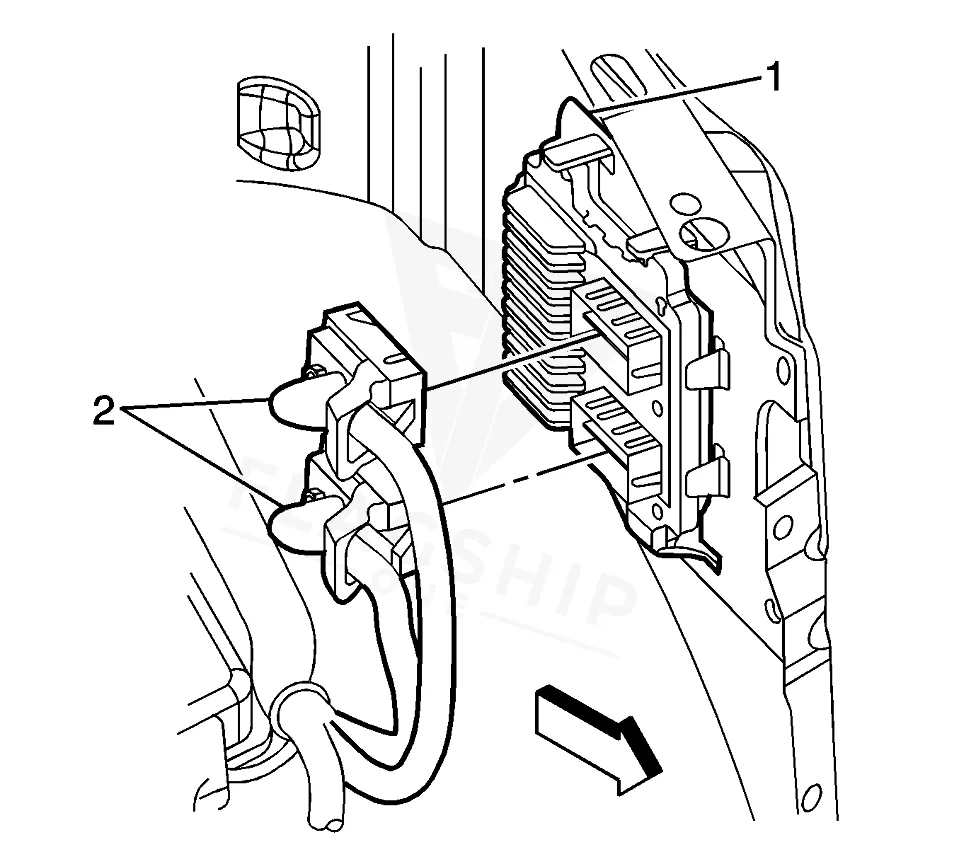
Work with the ignition off, and treat the module as static-sensitive: avoid touching the connector pins at any point.
| Operation | Configuration | Book Time |
|---|---|---|
| Powertrain Control Module R&R | 4.3L | 0.6 hr |
| Powertrain Control Module R&R | 5.3L | 1.8 hr |
| Powertrain Control Module R&R | 6.0L | 1.8 hr |
| Powertrain Control Module R&R | 6.6L | 1.9 hr |
| Powertrain Control Module R&R | 4.8L | 1.8 hr |
| Powertrain Control Module Relearn | Savana 1500 | 0.5 hr |
| Powertrain Control Module Relearn | Savana 2500 | 0.5 hr |
| Powertrain Control Module Relearn | Savana 3500 | 0.5 hr |
2010 GMC Savana 4.3L: When the
OEM programmed replacements — plug & play, no dealer visit.
Find yours by year, make & model →
Free shipping · Lifetime warranty
After replacing the powertrain control module in your 2010 GMC Savana, the factory procedure requires a relearn process to ensure proper communication with the engine and transmission. This step typically takes 0.5 hours and involves using a scan tool to reset adaptive values. However, a VIN-programmed replacement unit arrives pre-configured, eliminating the need for this additional step. This saves time and reduces the risk of incomplete initialization, which could lead to performance issues or warning lights.
A failing powertrain control module in the 2010 GMC Savana may cause symptoms like intermittent stalling, no-start conditions, or erratic engine behavior. You might also notice warning lights, such as the check engine or low oil pressure indicator, even when oil levels are normal. Common trouble codes include internal control module memory checksum error, which often points to module failure. Other signs may include poor acceleration, rough idling, or transmission shifting issues, as the module plays a key role in coordinating these systems.
The 2010 GMC Savana 4.3L powertrain control module may set specific internal trouble codes when it malfunctions. These codes help diagnose issues related to memory faults, communication errors, or processing failures. Reviewing them can clarify whether the module itself is the root cause of performance problems.
Factory service bulletins for the 2010 GMC Savana address specific symptoms tied to powertrain control module issues. Bulletin #09-06-04-036 and its update #09-06-04-036A describe an intermittent low oil pressure warning light that may appear after highway driving, particularly in high ambient temperatures. Bulletin #11-06-04-001 and its update #11-06-04-001A cover cases where the malfunction indicator lamp illuminates, accompanied by poor engine performance and codes such as P0299, P0606, or P2202. In these cases, reprogramming the module is often recommended to resolve the issue.
| Bulletin | Subject | What It Addresses |
|---|---|---|
| 09-06-04-036 | Intermittent Low Oil Pressure Warning Light Message Displayed (Reprogram Engine Control Module | Some customers may comment that the low oil pressure warning message will display when the vehicle comes to a stop after driving at highway speeds. They may… |
| 11-06-04-001 | Malfunction Indicator Lamp (MIL) Illuminated, Poor Engine Performance with Low Power, DTC P0299 | Some customers may comment that the malfunction indicator lamp (MIL) is illuminated and the engine performance is poor with low power. The technician may… |
Common signs include stalling, no-start conditions, or warning lights like the check engine or low oil pressure indicator. Trouble codes such as P0601 or P0606 may also appear, pointing to internal module faults. A scan tool can help confirm these issues.
Replacement labor for the 4.3L engine is typically 0.6 hours. After installation, a relearn procedure of 0.5 hours is required to ensure the module communicates properly with the vehicle’s systems.
Yes, the factory procedure includes a relearn process to reset adaptive values. However, a pre-programmed replacement unit eliminates this step, saving time and reducing the risk of initialization errors.
If your 2010 GMC Savana is experiencing symptoms tied to the powertrain control module, you have options. A repair may involve reprogramming or addressing related electrical issues, but if replacement is needed, a pre-configured unit can simplify the process. Consider the labor savings and reliability of a model-specific solution designed for your vehicle’s engine and systems.
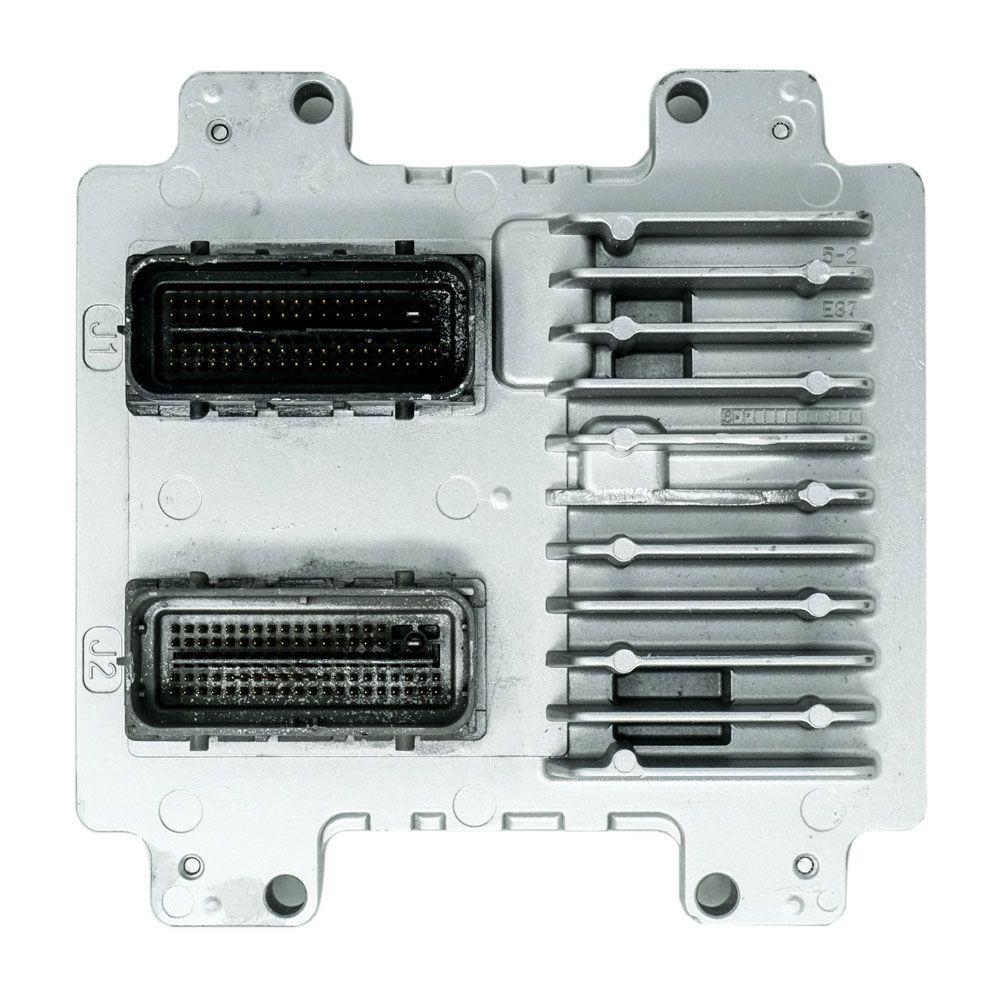
Flagship One stocks a refurbished, VIN-programmed PCM for the 2010 GMC Savana with a lifetime warranty, free shipping and no core charge. The full GMC Savana module lineup covers other engine configurations as well.
The 2010 GMC Savana 4.3L relies on its powertrain control module for smooth engine operation. If you’re facing stalling, warning lights, or trouble codes, addressing the module promptly can restore performance. Whether you opt for a repair or a pre-programmed replacement, understanding the process ensures a smoother experience and keeps your vehicle running reliably.