
Last updated on August 25th, 2026 at 01:33 pm
The Powertrain Control Module (PCM) in your 2010 Ford Expedition manages engine and transmission functions. Failure may cause drivability issues, including stalling or misfires, often triggered by electrical faults or internal corruption.
If your 2010 Ford Expedition has been stalling, refusing to start, or showing a check-engine light, the Powertrain Control Module (PCM) may be the culprit. This module acts as the brain for your engine and transmission, coordinating fuel delivery, ignition timing, and shift points. When it fails, symptoms can range from subtle drivability quirks to complete immobilization. Understanding the role of the PCM, where it’s located, and what replacement involves helps you make informed decisions. This guide covers labor times, programming requirements, and common failure signs specific to your Expedition, so you can address the issue efficiently.
In your 2010 Ford Expedition, the Powertrain Control Module (PCM) integrates engine and transmission control into a single unit. It processes data from sensors to optimize fuel injection, spark timing, and gear shifts, ensuring smooth operation and emissions compliance. A faulty PCM may disrupt these functions, leading to poor performance or even a no-start condition. If replacement becomes necessary, you’ll need replacement engine computers for the Expedition that match your vehicle’s specifications. The module’s role is critical, as it directly influences fuel economy, throttle response, and overall drivability.
Engine computer (ECM/PCM)
OEM programmed replacements — plug & play, no dealer visit.
Find yours by year, make & model →
Free shipping · Lifetime warranty
The PCM in your 2010 Ford Expedition is mounted on the passenger side of the engine bay, near the firewall. Accessing it requires removing the air intake duct and unplugging the wiring harness. The factory labor time for removal and reinstallation is 0.8 hours. Once the old module is disconnected, the new unit can be bolted into place, and the harness reconnected. No additional torque specifications are provided, but ensuring a secure connection is essential to prevent future electrical issues. The process is straightforward but requires care to avoid damaging the connectors.
| Operation | Configuration | Book Time |
|---|---|---|
| Powertrain Control Module R&R | All configurations | 0.8 hr |
| Powertrain Control Module Relearn | All configurations | 0.5 hr |
| Engine Control Module Relearn | All configurations | 0.5 hr |
| Engine Control Module R&R | All configurations | 0.8 hr |
After replacing the PCM in your 2010 Ford Expedition, a relearn procedure is typically required to synchronize the module with the vehicle’s systems. This process takes 0.5 hours and involves using a scan tool to reset adaptive values. However, a VIN-programmed replacement unit from Flagship One arrives pre-configured for your vehicle, eliminating the need for this step. This saves time and ensures the module is ready to function immediately after installation, reducing the risk of post-replacement calibration errors.
A failing PCM in your 2010 Ford Expedition may cause a range of symptoms. Common issues include intermittent stalling, rough idle, or a no-start condition. You might also notice poor throttle response or erratic shifting. On the scan tool, you may see module-internal codes like internal processor fault, indicating corruption within the PCM. In some cases, the vehicle may run but with reduced power or fuel efficiency. If you experience these symptoms, addressing the PCM early can prevent further drivability problems.
Your 2010 Ford Expedition may log specific trouble codes when the PCM begins to fail. These codes help pinpoint internal module issues and guide diagnostics. The documented module-internal code for this vehicle is listed below.
| Code | Meaning | Full Guide |
|---|---|---|
| P0606 | Module processor failure | Full P0606 guide → |
Ford issued service bulletin 12-04-11 addressing a Malfunction Indicator Lamp (MIL) illumination with codes P0130 and P0150 on 5.4L engines. While these codes relate to oxygen sensor circuits, they may also indicate underlying PCM or wiring issues. If your Expedition exhibits these codes, following the bulletin’s diagnostic steps can help isolate the root cause and determine whether the PCM requires attention.
| Bulletin | Subject | What It Addresses |
|---|---|---|
| 12-04-11 | 5.4L – MALFUNCTION INDICATOR LAMP (MIL) ON WITH DIAGNOSTIC TROUBLE CODES (DTCS) P0130 AND P0150 | — |
Replacement is possible if you have basic mechanical skills and the right tools. The module is accessible in the engine bay, but proper handling of electrical connectors is critical. A relearn procedure is often required afterward, which may necessitate a scan tool.
The relearn procedure resets adaptive values stored in the PCM, allowing it to recalibrate to your vehicle’s specific sensors and driving conditions. Skipping this step may result in poor performance or shifting issues.
Common signs include stalling, no-start conditions, or a check-engine light with module-internal codes. A scan tool can confirm whether the PCM is the source of the problem by reading stored trouble codes.
If your 2010 Ford Expedition is experiencing PCM-related issues, you have options. A repair may address minor faults, but a replacement is often the most reliable solution. Flagship One provides VIN-programmed modules designed to plug in and function immediately, saving you time and avoiding the need for post-installation programming. This ensures your Expedition returns to optimal performance without unnecessary delays.
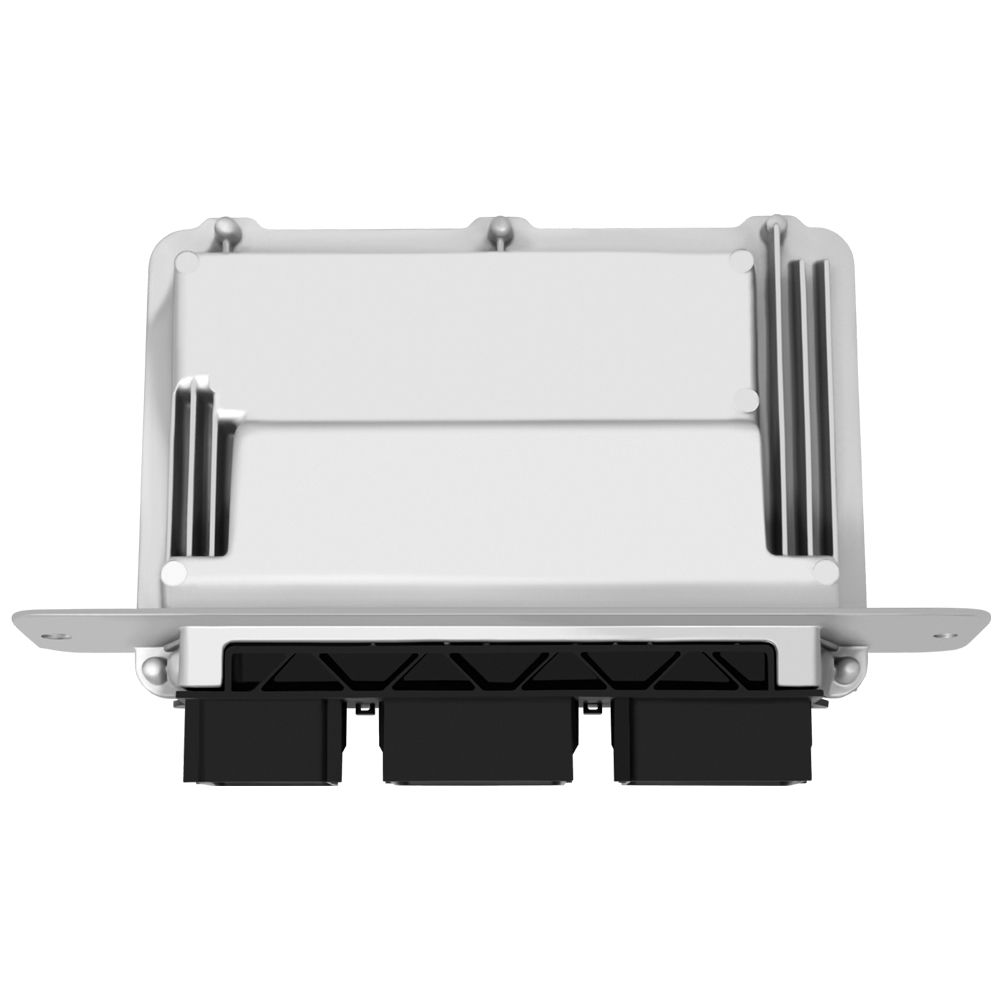
Flagship One stocks a refurbished, VIN-programmed PCM for the 2010 Ford Expedition with a lifetime warranty, free shipping and no core charge. The full Ford Expedition module lineup covers other engine configurations as well.
The 2010 Ford Expedition relies on its Powertrain Control Module for smooth operation, and addressing PCM issues promptly can prevent further complications. Whether you opt for a repair or a replacement, understanding the process and requirements helps you make the best choice for your vehicle. A properly functioning PCM ensures reliable starts, efficient fuel delivery, and responsive driving.