
Last updated on August 25th, 2026 at 01:34 pm
In the 2009 Ford Expedition the Powertrain Control Module and Engine Control Module manage fuel delivery, ignition timing, and emission monitoring. A failure typically results from electrical faults or internal component wear, causing the MIL to illuminate and diagnostic codes to appear.
When the check engine light stays on in your 2009 Ford Expedition and you see diagnostic trouble codes such as P0130 or P0150, the problem often traces back to the vehicle’s electronic control modules. Understanding how the Powertrain Control Module (PCM) and Engine Control Module (ECM) work, what the factory recommends for replacement, and what steps are required after a swap can save you time and avoid unnecessary trips to the shop. This guide walks you through the core functions of these modules, where they sit in the Expedition, the labor involved, the programming requirements, and practical tips to keep them healthy. By the end, you’ll know what to expect whether you choose a new OEM part or a Flagship One replacement.
The Powertrain Control Module in the 2009 Ford Expedition serves as the brain for the 5.4L V8, coordinating fuel injection, transmission shift points, and emission controls. It receives data from dozens of sensors, processes that information, and commands actuators to keep the engine running smoothly. The Engine Control Module performs a similar role but focuses on engine‑specific parameters such as ignition timing and idle speed. Together they ensure optimal performance, fuel efficiency, and compliance with emissions standards. Because the Expedition relies on precise timing and sensor feedback, a faulty module can quickly lead to drivability issues. Understanding this helps you see why a proper replacement and verification process matters. replacement powertrain control modules for the 2009 Ford Expedition are designed to match the original specifications exactly.
2009 Ford Expedition
OEM programmed ECM for your 2009 Ford Expedition — plug & play, no dealer visit.
Free shipping · Lifetime warranty
Both the PCM and ECM are mounted in the engine compartment of the 2009 Ford Expedition, typically secured to the firewall near the battery. Access requires removal of a few heat shields and the air intake duct to reach the connectors. The labor guide lists 0.8 hours for removing and reinstalling each module, reflecting the straightforward bolt‑on design. After the old unit is detached, the new module is positioned, torqued to factory specifications, and the electrical harnesses are reconnected. No additional disassembly beyond the standard steps is noted, making the swap relatively quick for a trained technician.
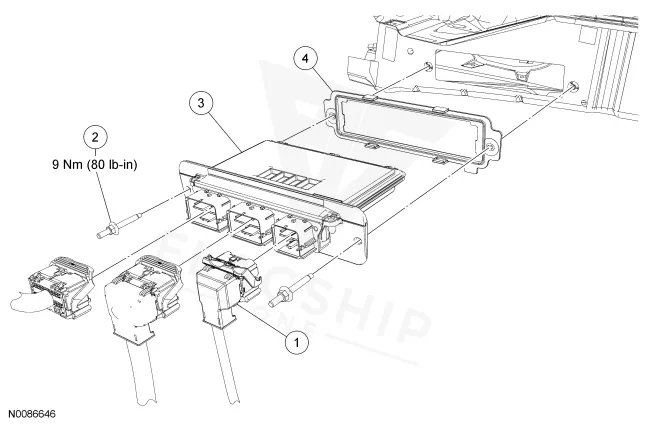
Work with the ignition off, and treat the module as static-sensitive: avoid touching the connector pins at any point.
| Operation | Configuration | Book Time |
|---|---|---|
| Powertrain Control Module R&R | All configurations | 0.8 hr |
| Powertrain Control Module Relearn | All configurations | 0.5 hr |
| Engine Control Module Relearn | All configurations | 0.5 hr |
| Engine Control Module R&R | All configurations | 0.8 hr |
Once the new module is physically installed, the factory procedure calls for a Powertrain Control Module relearn (0.5 hours) and an Engine Control Module relearn (0.5 hours) to synchronize the vehicle’s sensors and actuators. Flagship One units arrive already VIN‑programmed, so those relearn steps are effectively completed before the part reaches your shop. a VIN-programmed replacement unit eliminates the need for separate calibration passes, allowing the technician to focus on verification and final testing.
A failing PCM or ECM in the 2009 Ford Expedition often triggers a check engine light accompanied by codes that point to sensor circuit problems. You may notice rough idle, reduced power, or hesitation during acceleration. In some cases the vehicle may stall or refuse to start if the module cannot communicate with critical sensors. Diagnostic scans frequently reveal oxygen sensor circuit low voltage or similar codes, indicating that the module is not interpreting sensor data correctly. Additionally, transmission shift quality can degrade because the PCM also controls shift timing. These symptoms tend to appear intermittently at first, then become more consistent as the module’s internal logic deteriorates.
Service bulletin 12-04-11 addresses a known issue where the MIL illuminates on 5.4L models with codes P0130 and P0150. The bulletin outlines inspection steps and recommends module replacement if the codes persist after verifying sensor operation.
| Bulletin | Subject | What It Addresses |
|---|---|---|
| 12-04-11 | 5.4L – MALFUNCTION INDICATOR LAMP (MIL) ON WITH DIAGNOSTIC TROUBLE CODES (DTCS) P0130 AND P0150 | — |
The PCM is accessible but requires proper tools, torque specifications, and the ability to perform relearn procedures. If you lack the equipment, a qualified technician is recommended.
Those codes point to oxygen sensor circuit issues, which often stem from a faulty PCM or poor electrical connections. Diagnosing the wiring first can confirm the root cause.
Factory guidance calls for an ECM relearn after any powertrain module swap. A Flagship One pre‑programmed unit includes that data, reducing the steps needed.
A refurbished unit that meets OEM specifications can perform similarly, but ensure it has been tested and programmed to your VIN to avoid additional calibration.
Labor times suggest 0.8 hours for each module removal and install, plus 0.5 hours each for PCM and ECM relearn, totaling under two hours for a professional.
When the PCM or ECM fails in a 2009 Ford Expedition, you can choose a brand‑new OEM part or a Flagship One replacement that arrives VIN‑programmed. Both options restore full functionality, but the Flagship One unit eliminates the need for post‑install relearn steps, potentially reducing shop time.
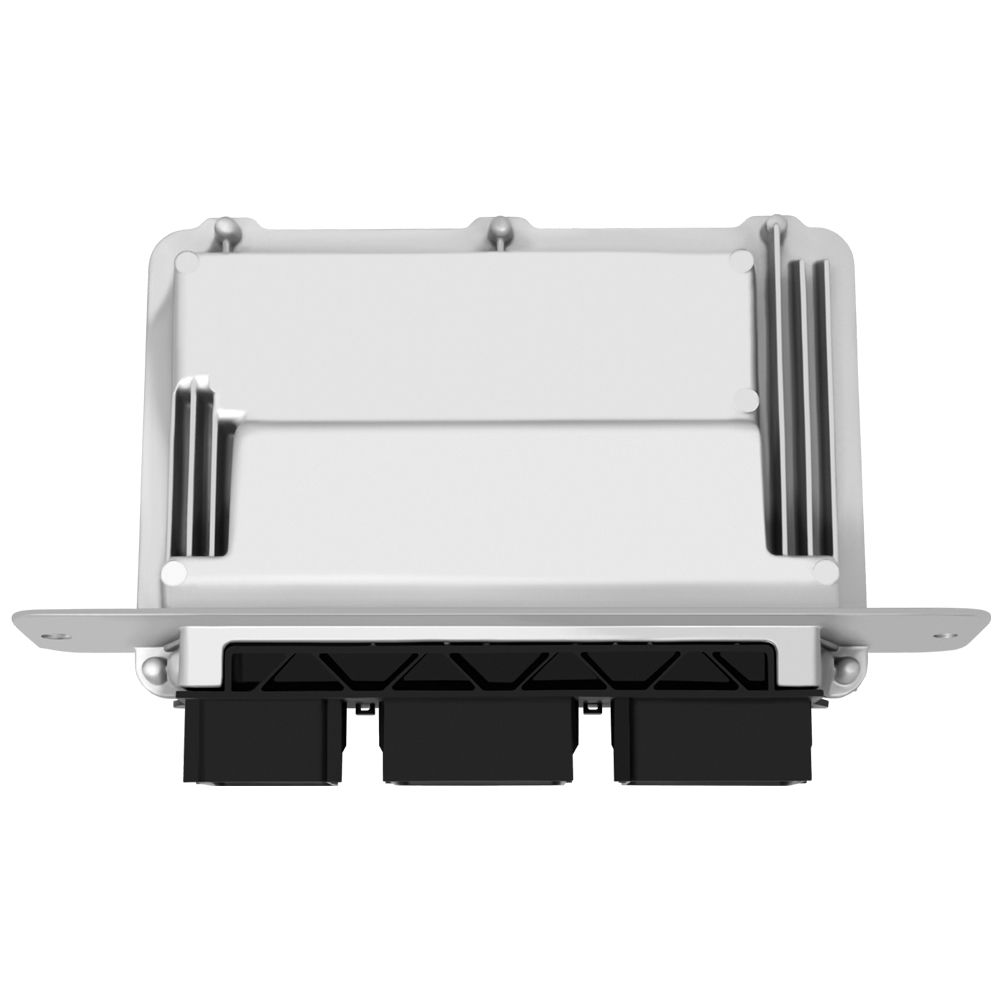
Flagship One stocks a refurbished, VIN-programmed PCM for the 2009 Ford Expedition with a lifetime warranty, free shipping and no core charge. The full Ford Expedition module lineup covers other engine configurations as well.
If your 2009 Ford Expedition is showing MIL and related codes, addressing the PCM or ECM promptly can keep the vehicle running smoothly. Consider a Flagship One VIN‑programmed replacement for a hassle‑free solution, and follow the preventive tips to extend module life.