
Last updated on August 25th, 2026 at 02:39 pm
The Engine Control Module (ECM) in your 2010 Buick Enclave serves as the primary computer that manages fuel delivery, ignition timing, and emissions systems. When this module fails, the engine may not run properly or the vehicle may not start at all.
If your 2010 Buick Enclave is experiencing starting issues, stalling, or diagnostic trouble codes, the Engine Control Module may be the culprit. The ECM is the central computer that controls how your engine operates, from idle speed to fuel mixture. This guide explains what the module does, where it is located, the replacement process, and what symptoms to watch for. Whether you are diagnosing a no-start condition or planning a repair, understanding the ECM’s role helps you make informed decisions about your vehicle’s care.
The Engine Control Module in your 2010 Buick Enclave acts as the brain of the engine management system. It receives input from dozens of sensors throughout the powertrain and uses that information to adjust fuel delivery, ignition timing, and emissions control in real time. This module communicates with the transmission control module to coordinate shifting and works with the vehicle’s charging system to ensure stable voltage. Without a properly functioning ECM, the engine may run poorly, stall, or fail to start entirely. Replacement engine computers for the Enclave must be programmed with the specific calibration for this vehicle to restore proper operation.
Flagship One keeps Buick Enclave replacement engine computers in stock for exactly this failure pattern.
The ECM on a 2010 Buick Enclave is mounted inside the engine compartment, secured to a bracket with retaining tabs. To replace the module, the battery must be disconnected first to prevent damage. The factory caution warns against touching the connector pins due to electrostatic discharge risk. Technicians lift the retaining tab and carefully lift the ECM out of its mounting brackets. The Powertrain Control Module R&R book time is 0.9 hours, and the Engine Control Module Relearn procedure adds 0.5 hours once the new module is installed. All electrical connections must be verified secure before reassembly.
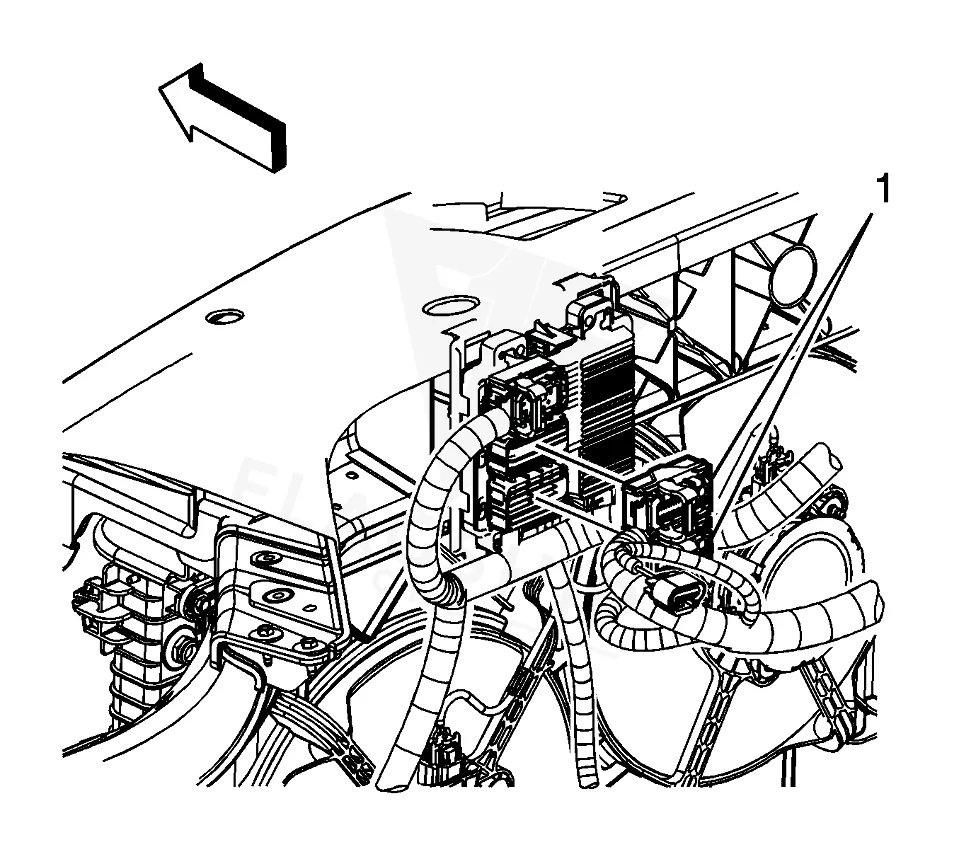
Work with the ignition off, and treat the module as static-sensitive: avoid touching the connector pins at any point.
| Operation | Configuration | Book Time |
|---|---|---|
| Powertrain Control Module R&R | All configurations | 0.9 hr |
| Engine Control Module Relearn | All configurations | 0.5 hr |
| Engine Control Module R&R | All configurations | 0.9 hr |
2010 Buick Enclave
OEM programmed ECM for your 2010 Buick Enclave — plug & play, no dealer visit.
Free shipping · Lifetime warranty
After replacing the ECM in your 2010 Buick Enclave, the factory procedure requires using a scan tool to capture the original module’s data before removal. If a new ECM is installed, it must be reprogrammed with the correct program and calibration for this specific vehicle using special equipment. Flagship One units arrive as VIN-programmed replacement units, meaning the programming steps the factory requires are completed before the module ships. This eliminates the need for on-vehicle programming in most cases, allowing for a smoother installation process.
Every VIN-programmed replacement unit from Flagship One arrives with these steps already completed.
When the Engine Control Module fails on a vehicle like this, several symptoms may appear. A no-start condition is common, where the engine cranks but will not run. The vehicle may stall unexpectedly during operation, or the check engine light may illuminate with multiple diagnostic trouble codes. Misfire codes such as P0300 series may populate, and in some cases the scan tool may not communicate with the module at all. Some vehicles experience harsh shifting or remain stuck in a forward gear when the ECM loses proper function. The P0601 code indicates internal memory checksum failure within the module itself.
The 2010 Buick Enclave may store several module-internal trouble codes when the ECM experiences internal faults. These codes indicate various forms of memory or processor failures within the control module. P0601 represents internal control module memory check sum error, while P0602 indicates memory range performance issues. Additional codes including P0603, P0604, P062F, and P1621 point to different types of internal module failures that typically require replacement of the ECM to resolve.
| Bulletin | Subject | What It Addresses |
|---|---|---|
| — | Intermittent MIL/Check Engine Light On, DTC P0716, Harsh 2-3 Upshift, Hangs in 2nd or 4th Gear | — |
| — | Engine Does Not Crank, Starter Solenoid Does Not Click with Ignition Switch in Start Position ( | — |
Replacement is possible for those with mechanical experience, but programming the new module requires special equipment and software. Units that arrive pre-programmed with your VIN simplify the process considerably.
A used ECM would still require programming with the vehicle’s specific calibration, which demands dealer-level tooling. Additionally, used units may have the same failure conditions that caused the original to fail.
Common signs include no-start conditions, intermittent stalling, multiple random misfire codes, or a check engine light that will not clear. A scan tool can help identify communication issues or internal fault codes.
When the ECM on your 2010 Buick Enclave fails, you have two primary paths forward. Repairing the existing module is sometimes possible, but most shops recommend replacement with a unit that arrives ready to install. A refurbished replacement may offer savings, while a new or remanufactured unit typically includes a longer warranty. Given the programming requirements and the specialized equipment needed, many owners choose to install a pre-programmed replacement and have it recognized by the vehicle’s system. Consult a qualified technician to confirm the diagnosis before proceeding.
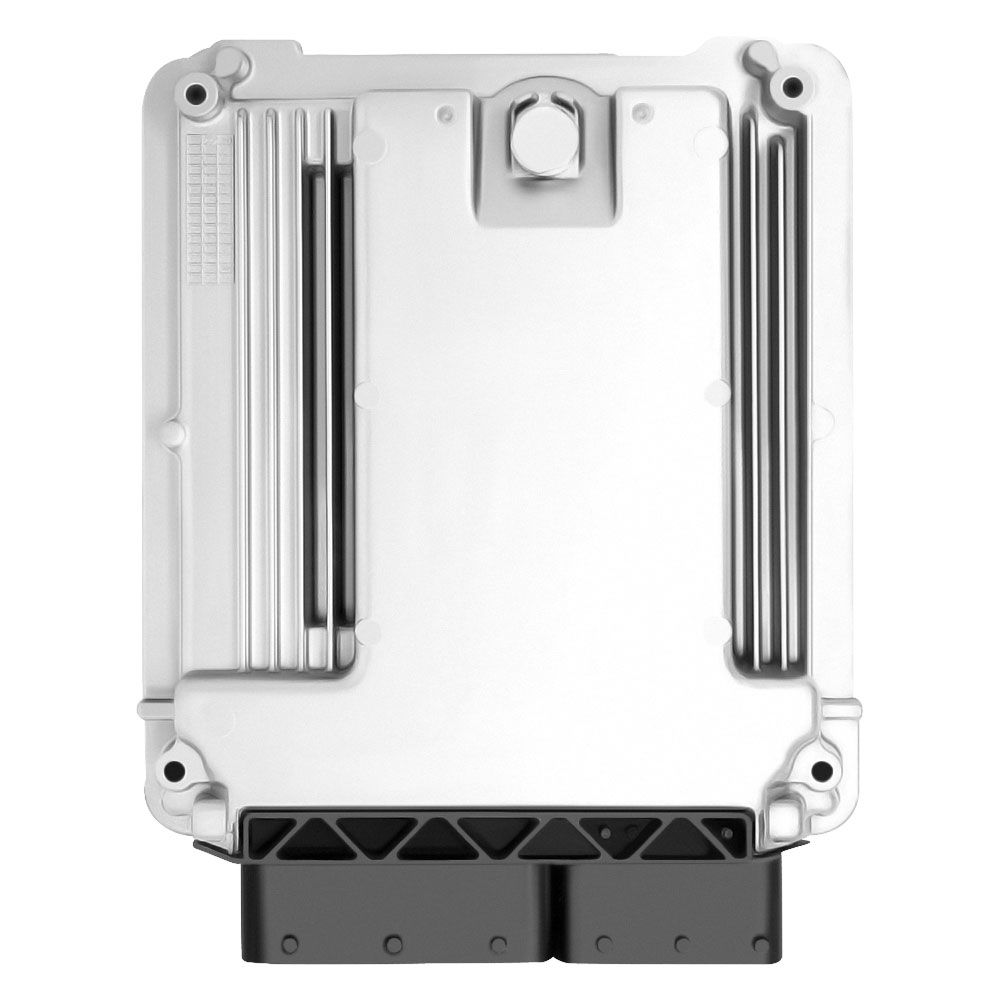
Flagship One stocks a refurbished, VIN-programmed PCM for the 2010 Buick Enclave with a lifetime warranty, free shipping and no core charge. The full Buick Enclave module lineup covers other engine configurations as well.
The Engine Control Module is essential for your 2010 Buick Enclave to run properly. When this component fails, the vehicle may not start or may run poorly. Understanding the replacement process, programming needs, and symptoms helps you make informed decisions about your repair options. For the best outcome, work with a professional who understands this vehicle’s specific requirements.