
Last updated on August 25th, 2026 at 12:12 pm
The engine control module manages fuel and ignition timing within the 2009 Mazda 5. Internal failures often trigger warning lights or prevent starting. Understanding these components helps diagnose electrical issues accurately.
When managing repairs for the 2009 Mazda 5, understanding the engine computer system is essential for accurate diagnostics. You may encounter situations where the vehicle fails to start or runs poorly due to electronic control issues. This guide explains the removal and installation process along with necessary programming steps. Knowing the specific labor times helps you plan the service appointment effectively. The powertrain and engine control modules manage critical functions within the 2.3L engine system. Failure in these components often triggers specific trouble codes that require attention. You gain clarity on what the replacement procedure entails before beginning work. Proper handling ensures the new component functions correctly with existing systems. This information supports informed decisions regarding repair versus replacement options for your car. Technicians often refer to book times to estimate the duration of the service task. Understanding these requirements prevents unexpected delays during the restoration of normal operation. Electrical integrity remains vital for long-term reliability of the control unit. Ignoring warning signs may lead to more severe drivability concerns over time. Reviewing the documented labor allowances provides a realistic expectation for the shop work.
The engine control module serves as the central processing unit for managing fuel delivery and ignition timing. In the 2009 Mazda 5, this computer monitors various sensors to optimize performance and emissions. It processes data continuously to adjust engine parameters based on driving conditions. A malfunctioning unit may cause irregular idling or reduced power output during acceleration. You rely on this component for seamless communication between the engine and transmission systems. When searching for replacement engine computers for Mazda 5, ensure compatibility with the 2.3L engine configuration. The module stores adaptive learning values that tailor operation to your driving habits. Loss of this data often requires a relearn procedure to restore optimal function. Internal circuitry failures can disrupt signals sent to fuel injectors or spark plugs. Technicians diagnose these issues by reading stored fault codes from the memory bank. Proper installation ensures all electrical connectors seat securely to prevent intermittent problems. The computer also manages idle air control and throttle position signals accurately. Without a functioning module, the vehicle may enter a limp mode to protect itself. Understanding the role of this hardware helps you recognize symptoms of impending failure. Regular maintenance of related electrical components supports the longevity of the control unit. Voltage spikes from the charging system may damage internal components unexpectedly. Ground connections must remain clean to ensure stable signal transmission throughout the network.
2009 Mazda 5
OEM programmed ECM for your 2009 Mazda 5 — plug & play, no dealer visit.
Free shipping · Lifetime warranty
Accessing the control module involves removing specific components to reach the mounting location. The labor guide indicates that removing and installing the powertrain control module without an immobilizer system takes 0.6 hours. If your vehicle includes an immobilizer system, the removal and installation time increases to 0.7 hours. These book times cover the physical exchange of the hardware unit only. Additional time is allocated for the engine control module relearn procedure separately. The relearn process typically requires 0.5 hours to complete after physical installation. You should account for both removal and programming when scheduling the service appointment. Technicians follow specific steps to disconnect the battery before handling electronic components. Secure mounting prevents vibration damage that could lead to internal solder cracks. Connector pins must be inspected for corrosion before mating the new unit. Proper torque specifications ensure the module remains stable during vehicle operation. The labor estimates do not include diagnostic time required to confirm the failure.
Work with the ignition off, and treat the module as static-sensitive: avoid touching the connector pins at any point.
| Operation | Configuration | Book Time |
|---|---|---|
| Powertrain Control Module R&R | Without Immobilize System | 0.6 hr |
| Powertrain Control Module R&R | With Immobilize System | 0.7 hr |
| Powertrain Control Module Relearn | All configurations | 0.5 hr |
| Engine Control Module R&R | Without Immobilize System | 0.6 hr |
| Engine Control Module R&R | With Immobilize System | 0.7 hr |
| Engine Control Module Relearn | All configurations | 0.5 hr |
Factory procedures often mandate a relearn sequence after installing a new control module. This step allows the computer to adapt to the specific characteristics of your engine. Without this calibration, the vehicle may exhibit rough idling or poor fuel economy. Flagship One units arrive as a VIN-programmed replacement unit so those steps are already done. This eliminates the need for additional configuration at the service center. The standard factory relearn procedure typically requires 0.5 hours of labor time. Pre-programmed modules simplify the installation process by reducing shop time significantly. You avoid potential errors associated with manual programming attempts using scan tools. The vehicle recognizes the new module immediately upon connection and power-up. This approach ensures all security features function correctly without additional input. Proper programming guarantees compatibility with the existing immobilizer system if equipped. Skipping this step may result in a no-start condition or warning lights.
Common failure symptoms include engine stalling or a complete failure to start when turning the key. You may notice the check engine light illuminating consistently on the dashboard cluster. Communication errors with diagnostic scan tools often indicate a internal module fault. Shifting issues may arise if the computer cannot communicate with the transmission control unit. Specific trouble codes like internal control module memory suggest corruption within the processor. Misfire codes can appear even when ignition components are functioning correctly. The vehicle might enter a reduced power mode to prevent further damage. Electrical gremlins such as flickering lights may accompany control module failures. Fuel trim adjustments may become erratic leading to rich or lean running conditions. You might experience hesitation during acceleration due to incorrect timing calculations. Intermittent no-crank conditions can occur if the security system locks out the engine. Warning lights related to emissions systems often trigger alongside primary computer faults. Addressing these symptoms promptly prevents secondary damage to catalytic converters or sensors. In some cases, the tachometer may drop to zero while driving safely. Loss of communication with other network modules creates multiple unrelated fault codes.
The following list represents documented module-internal trouble codes for this vehicle. These codes indicate specific failures within the computer hardware or software. Technicians use these identifiers to pinpoint the exact nature of the electronic fault. Reviewing this list helps confirm whether replacement is the necessary solution.
Manufacturer tips regarding module replacement and reprogramming information are available for reference. Documentation indicates which modules exist on the 2009 Mazda 5 and their capabilities. The guidance specifies whether they are configurable or reprogrammable based on the build. You should consult the chart to verify the specific unit type installed. This information ensures the correct replacement part is selected for the job. Following these tips prevents compatibility issues during the service procedure. Adhering to factory information maintains the integrity of the vehicle electronics.
| Bulletin | Subject | What It Addresses |
|---|---|---|
| — | Mazda Tips: Module Replacement/Reprogramming Information | s SEE CHART BELOW INDICATING WHICH MODULES ARE PRESENT ON THE MAZDA5 AND IF THEY ARE REPROGRAMMABLE AND OR |
Book times indicate 0.6 hours without an immobilizer system. Units with an immobilizer system require 0.7 hours for removal and installation.
Factory procedures typically require a relearn process taking 0.5 hours. Pre-programmed units eliminate this step for a faster installation process.
Codes such as P0601 indicate internal memory corruption within the module. Multiple communication codes may also point to a hardware failure.
Physical installation is straightforward but programming requires specialized equipment. Professional service ensures all security features function correctly after replacement.
The computer adapts to engine wear and driving habits over time. Resetting this data ensures optimal performance with the new hardware component.
You face a choice between repairing the existing unit or installing a refurbished replacement. Refurbished options often provide a more reliable solution for internal circuit failures. The 2009 Mazda 5 benefits from a unit that matches factory specifications exactly. Consider the labor costs involved when weighing repair against replacement options. A direct swap minimizes downtime and restores vehicle functionality quickly.
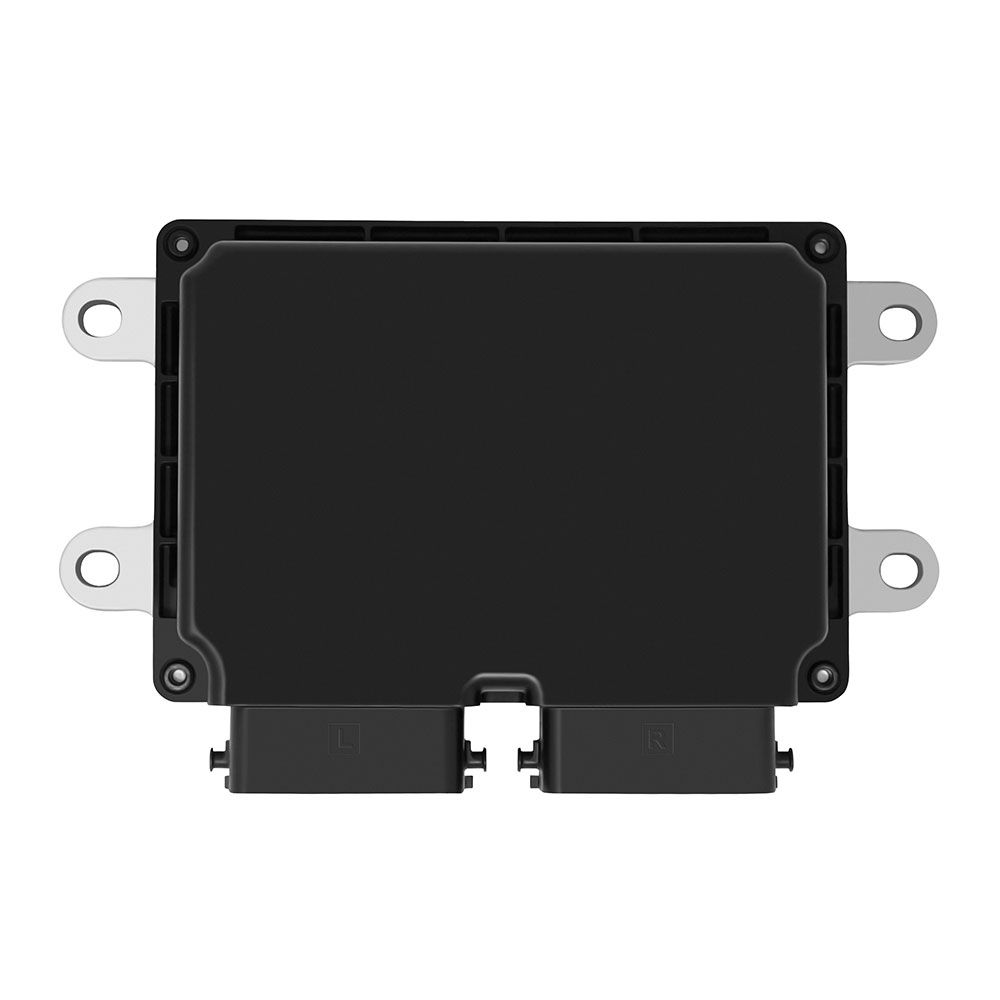
Flagship One stocks a refurbished, VIN-programmed PCM for the 2009 Mazda 5 with a lifetime warranty, free shipping and no core charge. The full Mazda 5 module lineup covers other engine configurations as well.
Restoring your 2009 Mazda 5 requires attention to detail during the replacement process. Understanding labor times and programming needs ensures a successful repair outcome. You can return to reliable driving with the correct engine computer component. Proper installation supports long-term performance and prevents future electronic issues. Consult professional technicians if you are unsure about the programming requirements.