
Last updated on August 25th, 2026 at 12:12 pm
The engine control module manages fuel delivery and ignition timing in your 2010 Mazda 5. Internal failures may trigger warning lights or prevent the engine from starting. Replacing this unit often resolves communication errors and restores proper management of critical powertrain functions without needing extensive diagnostics.
Dealing with engine management issues in your 2010 Mazda 5 can feel overwhelming when warning lights appear on the dashboard. You might notice performance drops or difficulty starting the engine, suggesting the central computer requires attention. Understanding the role of this component helps you make informed decisions about repairs versus replacement options available for your specific vehicle. This guide explains what the module does, where it sits within the engine bay, and what labor expectations look like based on standard industry times. You will learn about common diagnostic trouble codes that point to internal failures rather than sensor faults. Knowing the difference between a simple sensor issue and a computer failure saves time and money during the diagnostic process. We also cover factory service bulletins that apply to this model year and engine combination. Proper handling during installation ensures longevity and prevents future communication errors between systems. Reading this information prepares you for conversations with your technician about necessary steps following hardware swaps. Your goal is restoring reliability while avoiding unnecessary procedures that add cost without benefit to the repair outcome.
The engine control module acts as the brain for your 2010 Mazda 5 powertrain system. It processes data from various sensors to adjust fuel mixture and spark timing constantly. When this unit fails, the vehicle may enter a limp mode or refuse to start entirely. Internal circuitry damage often stems from voltage spikes or heat exposure over many years of service. Mechanics often compare replacing this component to installing replacement engine computers for Mazda 5 because the procedure requires careful handling of electrical connectors. The module monitors exhaust oxygen levels and throttle position to maintain efficiency and emissions compliance. Communication errors between this unit and other control modules can trigger network fault codes. You might experience rough idling or hesitation during acceleration if the processor cannot execute commands properly. Security features linked to the immobilizer system may also prevent engine operation if the computer does not recognize the key. Technicians verify power and ground connections before condemning the unit to ensure external wiring is not the cause. Understanding these functions helps you recognize why specific diagnostic steps are necessary during the repair process. Reliable operation depends on the integrity of the microprocessor and its ability to store calibration data permanently. Failure here often affects transmission shifting since the computer manages torque converter lockup as well. Corrosion inside the casing can disrupt signal pathways leading to intermittent drivability concerns. Your vehicle relies on this hardware for every aspect of engine management from cold start to highway cruising.
2010 Mazda 5
OEM programmed ECM for your 2010 Mazda 5 — plug & play, no dealer visit.
Free shipping · Lifetime warranty
Standard labor guides list removal and replacement times for the powertrain control module between 0.6 hours and 0.7 hours. The variance depends on whether your vehicle utilizes an immobilizer system requiring additional security steps. Engine control module removal follows similar time estimates ranging from 0.6 hours up to 0.7 hours depending on configuration. Relearn procedures are separately listed at 0.5 hours following physical installation of the new hardware. These book times help estimate shop labor costs without accounting for diagnostic time required beforehand. You should expect the technician to verify all connections before clearing codes and testing operation. Following these standard steps reduces the risk of installation errors that could damage the new unit. Proper handling during the swap ensures electrical contacts remain clean for reliable signal transmission. Technicians often check fuse integrity before beginning the removal process to prevent short circuits. Your service invoice should reflect these distinct operations for hardware swap and software initialization separately.
Work with the ignition off, and treat the module as static-sensitive: avoid touching the connector pins at any point.
| Operation | Configuration | Book Time |
|---|---|---|
| Powertrain Control Module R&R | Without Immobilize System | 0.6 hr |
| Powertrain Control Module R&R | With Immobilize System | 0.7 hr |
| Powertrain Control Module Relearn | All configurations | 0.5 hr |
| Engine Control Module R&R | Without Immobilize System | 0.6 hr |
| Engine Control Module R&R | With Immobilize System | 0.7 hr |
| Engine Control Module Relearn | All configurations | 0.5 hr |
Factory procedures typically require a relearn process after module replacement to ensure proper communication with vehicle systems. This step often takes approximately 0.5 hours according to standard labor time guides for this model. Skipping this initialization can result in poor performance or failure to start due to mismatched security data. Flagship One units arrive VIN-programmed so those steps are already done before shipping to your door. You receive a VIN-programmed replacement unit ready for installation without needing specialized diagnostic tools for configuration. This approach eliminates the need for a technician to perform the 0.5 hour relearn procedure at the shop. Pre-programmed hardware reduces total repair time and avoids potential errors during the flashing process. Your vehicle recognizes the new computer immediately upon connection since the identity data matches the original equipment. This service ensures compatibility with the immobilizer system if your specific model is equipped with that feature. Technicians can focus on physical installation rather than software configuration tasks that require dealership-level access. Reliable operation depends on this matching process being completed accurately before the engine attempts to run.
Common failure symptoms of this module type include no-start conditions where the engine cranks but refuses to fire. You may experience sudden stalling while driving or rough idling that does not improve with standard tune-up parts. Dead scan-tool communication often indicates the processor is not powering up internally to respond to queries. Shifting issues may arise since the transmission relies on data from this computer for gear changes. Internal memory faults often trigger specific diagnostic trouble codes that point directly to the control unit itself. For example, seeing internal memory malfunction code suggests the processor cannot verify its own calibration data integrity. Communication errors like U0101 indicate the module is silent on the vehicle network entirely. You might notice the check engine light staying illuminated despite clearing codes multiple times in a row. Performance losses such as hesitation during acceleration often accompany these internal hardware failures. Voltage irregularities can cause the system to reset while driving leading to unpredictable behavior. Technicians often rule out wiring issues before concluding the computer itself requires replacement for these symptoms. Your vehicle may enter a fail-safe mode limiting speed and power to protect the drivetrain from damage. Addressing these signs promptly prevents further complications with related sensors and actuators connected to the main harness. Intermittent power losses can occur when heat soak affects the internal circuitry during extended operation. Fuel trim errors may become fixed because the computer cannot adapt to changing engine conditions properly.
Module-internal trouble codes documented for this vehicle include a wide range of processor and communication faults. These specific alphanumeric identifiers help technicians isolate failures within the computer rather than external components. The list covers memory errors, voltage issues, and network communication losses specific to this engine management system.
Factory service bulletin 01 007/12 addresses MIL illumination with diagnostic trouble code P2096:00 for this model. This technical release covers the 2010 Mazda 5 with the 2.3 L engine configuration specifically. It also applies to the 2010 Mazda3 equipped with the 2.0 L engine sharing similar management systems. Technicians refer to this document when troubleshooting post-catalyst fuel trim system issues indicated by that specific code. The bulletin provides authorized repair procedures to resolve the condition without replacing unrelated parts. Following these guidelines ensures the repair meets manufacturer standards for warranty and performance compliance. Your shop should check for this release before proceeding with component swaps to avoid unnecessary labor charges.
| Bulletin | Subject | What It Addresses |
|---|---|---|
| — | 01 007/12 2010 Mazda3 (2.0 L) And 2010 Mazda5 (2.3 L) MIL On With DTC P2096:00 | — |
Driving is not recommended as the vehicle may stall or enter limp mode unexpectedly. Continued operation could cause damage to other components relying on computer data.
Factory procedures typically list a 0.5 hour relearn step for proper system initialization. Flagship One units arrive pre-configured to eliminate this requirement at the shop.
Book times range from 0.6 hours to 0.7 hours depending on immobilizer system presence. This estimate covers physical removal and installation only without diagnostics.
Bulletin 01 007/12 covers MIL-on conditions with code P2096:00 for this vehicle. Technicians use this information to guide specific repair procedures.
Internal codes like P0601 often indicate processor failure rather than sensor issues. Professional diagnostics verify power and ground before condemning the unit.
Repairing the original unit is often possible but refurbished replacement options provide a faster solution for your 2010 Mazda 5. Swapping the hardware avoids prolonged diagnostic delays associated with bench testing old computers. You gain reliability with a unit that has been verified for internal circuitry integrity before shipment. This path reduces downtime compared to attempting repairs on aged components with unknown history.
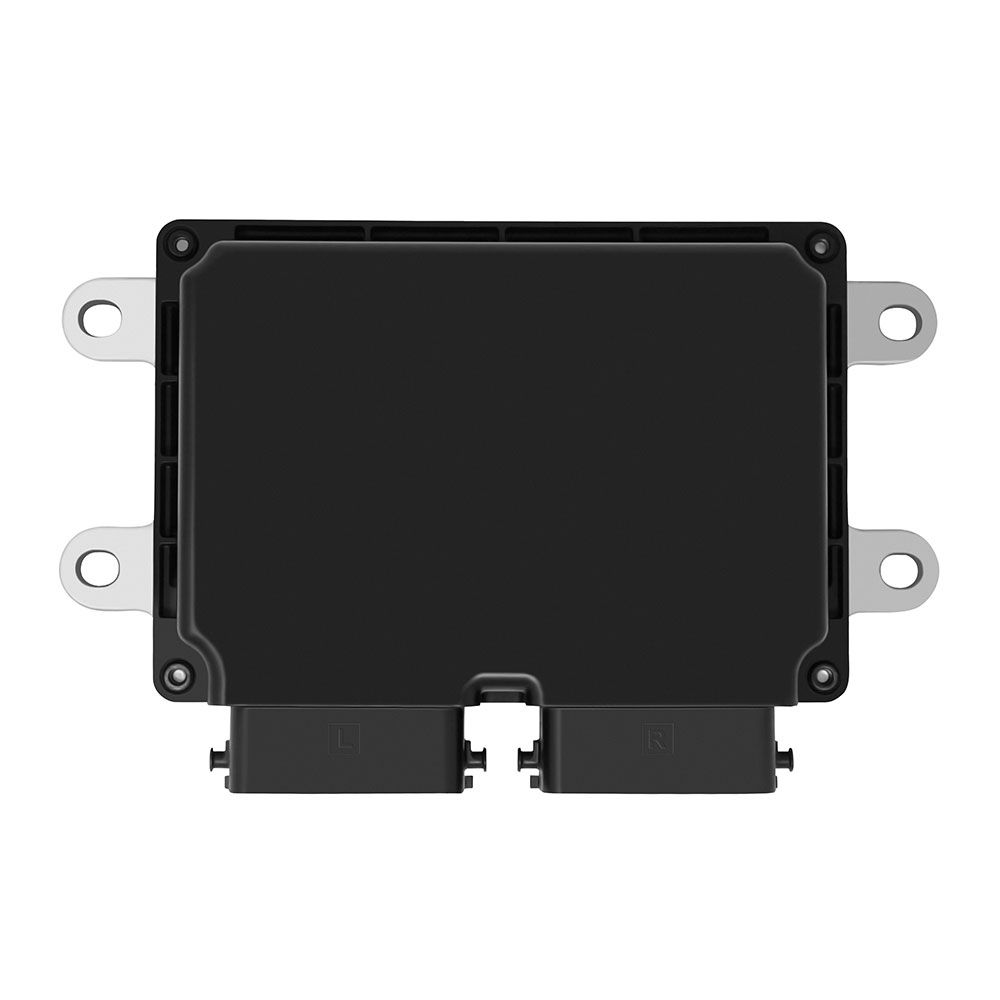
Flagship One stocks a refurbished, VIN-programmed PCM for the 2010 Mazda 5 with a lifetime warranty, free shipping and no core charge. The full Mazda 5 module lineup covers other engine configurations as well.
Restoring your 2010 Mazda 5 requires understanding the role of the engine control module in daily operation. Proper installation and programming ensure long-term reliability for your powertrain system. Consider pre-programmed options to simplify the repair process and reduce shop time. Your vehicle deserves a solution that addresses internal faults without unnecessary complexity.