
Last updated on August 25th, 2026 at 01:34 pm
The Powertrain Control Module (PCM) in your 2008 Ford Edge acts as the vehicle’s central computer, managing engine performance, transmission shifting, and emissions systems. When it fails, you may experience rough idling, poor fuel economy, or even a no-start condition due to disrupted sensor communication.
If your 2008 Ford Edge has been acting strangely—stalling at stoplights, throwing mysterious check engine lights, or refusing to start—your Powertrain Control Module (PCM) may be the culprit. This small but critical computer manages everything from fuel delivery to transmission shifts, and when it fails, your vehicle’s performance suffers. Replacing it isn’t just about swapping a part; it involves precise labor steps and programming to ensure your Edge runs smoothly again. Understanding the process helps you make informed decisions, whether you’re considering a repair shop visit or handling the job yourself. You’ll learn what the PCM actually does in your specific vehicle, where it’s located, and why proper programming matters. Most importantly, you’ll see how a pre-programmed replacement unit can save time and frustration compared to starting from scratch with a blank module.
The Powertrain Control Module in your 2008 Ford Edge serves as the brain of your vehicle’s drivetrain, coordinating signals from sensors to optimize engine performance and transmission behavior. This module constantly adjusts fuel injection, ignition timing, and shift points based on driving conditions, ensuring smooth acceleration and fuel efficiency. When it malfunctions, your Edge may experience erratic shifting, reduced power, or even fail to start entirely. The PCM also plays a key role in emissions control, which is why a failing unit often triggers the check engine light. Unlike generic engine computers, the PCM in your Edge is specifically calibrated for its 3.0L V6 engine and six-speed automatic transmission combination. If replacement becomes necessary, you’ll need replacement engine computers for the Edge that match your vehicle’s exact specifications to avoid compatibility issues or additional programming steps.
2008 Ford Edge
OEM programmed ECM for your 2008 Ford Edge — plug & play, no dealer visit.
Free shipping · Lifetime warranty
The Powertrain Control Module in your 2008 Ford Edge is mounted on the passenger side of the engine compartment, near the firewall. Accessing it requires removing the air intake duct and possibly some wiring harness clips to reach the module’s electrical connector. The factory labor time for removal and replacement is 0.4 hours, which includes disconnecting the battery, unbolting the module, and reinstalling the new unit. After installation, the module must be secured with the original mounting hardware to prevent vibration or moisture intrusion. While the physical swap is straightforward, the electrical connections must be clean and fully seated to avoid intermittent faults. Always ensure the ignition is off before disconnecting the module to prevent voltage spikes that could damage sensitive electronics.
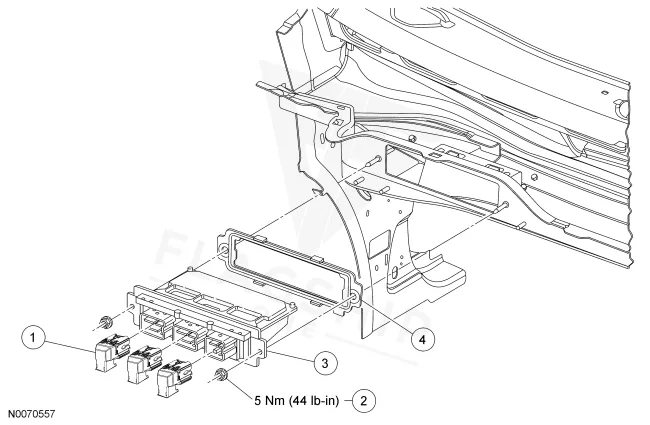
Work with the ignition off, and treat the module as static-sensitive: avoid touching the connector pins at any point.
| Operation | Configuration | Book Time |
|---|---|---|
| Powertrain Control Module R&R | All configurations | 0.4 hr |
| Powertrain Control Module Relearn | All configurations | 0.5 hr |
| Engine Control Module Relearn | All configurations | 0.5 hr |
| Engine Control Module R&R | All configurations | 0.4 hr |
After installing a new Powertrain Control Module in your 2008 Ford Edge, the factory procedure requires a relearn process that typically takes 0.5 hours. This step synchronizes the module with your vehicle’s transmission, anti-theft system, and other onboard computers to ensure proper communication. Additionally, the Passive Anti-Theft System (PATS) must be reprogrammed to recognize the new module, which can add complexity if not handled correctly. Flagship One replacement units arrive as a VIN-programmed replacement PCM, meaning the PATS and other vehicle-specific calibrations are already configured. This eliminates the need for some dealer programming steps, reducing the risk of extended downtime or additional labor costs. However, you may still need to perform a basic drive cycle to complete the relearn process and clear any temporary fault codes.
A failing Powertrain Control Module in your 2008 Ford Edge can cause a range of symptoms that may start subtly but often worsen over time. You might notice the engine stalling unexpectedly, especially when idling or coming to a stop, which can be both frustrating and dangerous in traffic. Rough idling or hesitation during acceleration are also common signs, as the module struggles to maintain proper fuel and ignition timing. The check engine light may illuminate, and a scan tool could reveal misfire codes like P0351 through P0356, indicating issues with the ignition coils or fuel injectors. In some cases, your Edge may fail to start at all, as the PCM controls the fuel pump relay and ignition system. Poor fuel economy or erratic transmission shifting can also point to a failing module, as it disrupts the communication between the engine and transmission. If you see codes related to ignition coil circuit faults, it’s worth checking the PCM as a potential root cause, especially if the coils and wiring have already been inspected.
Ford issued service bulletin #13-04-17 for 2008 Edge models built on or before March 1, 2008, addressing an illuminated check engine light with misfire codes P0351 through P0356. The bulletin outlines diagnostic steps to determine whether the issue stems from the Powertrain Control Module, ignition coils, or wiring harnesses. If your Edge exhibits these specific codes, following the bulletin’s guidance may help isolate the problem more efficiently than generic troubleshooting.
| Bulletin | Subject | What It Addresses |
|---|---|---|
| 13-04-17 | BUILT ON OR BEFORE 3/1/2008 – MIL ON WITH DTCS – P0351, P0352, P0353, P0354, P0355, AND/OR P035 | — |
Stalling at stops can be caused by a failing Powertrain Control Module, as it disrupts the engine’s idle control and fuel delivery. The module may struggle to maintain proper air-fuel ratios or ignition timing, especially when the vehicle is under load. Other potential causes include a faulty idle air control valve or vacuum leaks, so a diagnostic scan is recommended to isolate the issue.
A bad PCM often causes multiple symptoms simultaneously, such as stalling, misfires, and poor shifting. If individual sensors or components have been ruled out, and the issues persist across different driving conditions, the PCM may be the culprit. A scan tool can help identify whether the module is communicating properly with the vehicle’s sensors.
Replacing the PCM is physically straightforward, but the process doesn’t end with installation. The new module requires programming and a relearn procedure to sync with your vehicle’s systems. Without the proper tools and software, you may face extended downtime or additional trips to a repair shop. A pre-programmed unit can simplify the process.
If the Passive Anti-Theft System isn’t reprogrammed after a PCM replacement, your Edge may fail to start or enter a theft-locked state. The PATS system relies on the PCM to validate the key’s transponder code, and without proper synchronization, the vehicle will not recognize the key as valid. This step is critical to avoid being stranded.
A battery replacement can sometimes trigger misfire codes if the PCM loses power and resets its learned values. The module may need time to re-learn the engine’s operating parameters, which can take several drive cycles. If the codes persist, the PCM or ignition system components may need further inspection.
If your 2008 Ford Edge is experiencing PCM-related issues, you have options beyond a costly dealer replacement. A refurbished or remanufactured module can restore your vehicle’s performance at a fraction of the cost, especially when pre-programmed to your VIN. This approach eliminates the need for some dealer programming steps, reducing labor time and potential headaches. Whether you choose to tackle the replacement yourself or leave it to a professional, understanding the process helps you make the best decision for your situation.
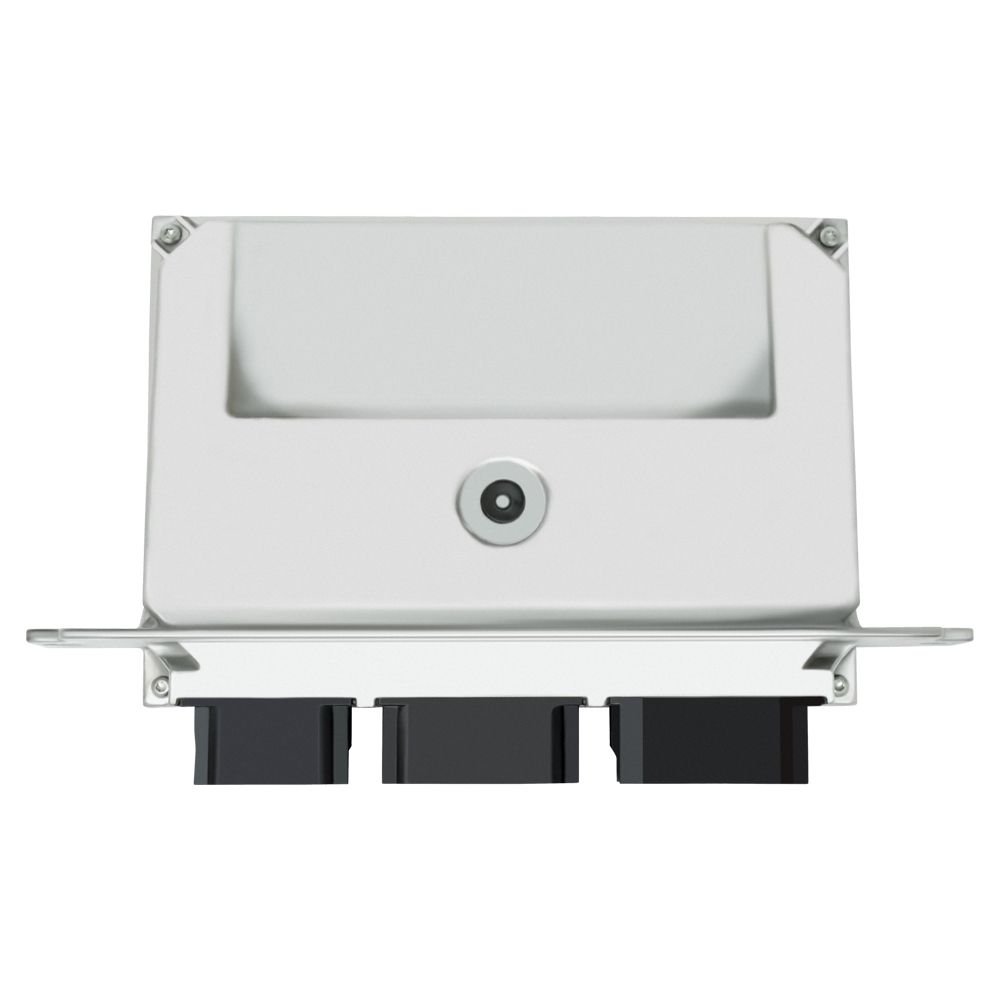
Flagship One stocks a refurbished, VIN-programmed PCM for the 2008 Ford Edge with a lifetime warranty, free shipping and no core charge. The full Ford Edge module lineup covers other engine configurations as well.
The Powertrain Control Module in your 2008 Ford Edge plays a critical role in keeping your vehicle running smoothly. When it fails, symptoms like stalling, misfires, or a no-start condition can disrupt your daily routine. By understanding the replacement process, programming requirements, and common failure signs, you can address the issue efficiently. Whether you opt for a dealer visit or a pre-programmed replacement unit, taking action promptly will help restore your Edge’s reliability and performance.