
Last updated on August 25th, 2026 at 01:14 pm
The powertrain control module (PCM) in your 2007 Ford Edge manages engine timing, fuel delivery, and transmission shifts. Failures may cause hard starts, stalling, or warning lights, often triggered by voltage spikes or corrosion.
If your 2007 Ford Edge suddenly refuses to start, stalls unexpectedly, or throws misfire codes, the powertrain control module (PCM) may be the culprit. This small but critical computer oversees everything from fuel injection to transmission shifts, and when it fails, your vehicle’s performance suffers. Replacing it isn’t just about swapping a part—it involves precise labor, programming, and sometimes troubleshooting factory-issued service bulletins. Understanding the process helps you avoid unnecessary delays and ensures your Edge runs reliably again. Whether you’re diagnosing symptoms or preparing for a replacement, knowing what to expect can save time and frustration. This guide covers the PCM’s role, replacement steps, programming requirements, and common failure signs specific to your 2007 Ford Edge.
The powertrain control module (PCM) in your 2007 Ford Edge is the brain behind the engine and transmission. It processes data from sensors to optimize fuel delivery, ignition timing, and shift points, ensuring smooth operation and emissions compliance. Without a functioning PCM, your vehicle may struggle to start, idle roughly, or even enter a fail-safe mode that limits performance. Over time, exposure to heat, moisture, or voltage fluctuations may degrade the module, leading to intermittent or complete failure. When replacement becomes necessary, you’ll need a unit that matches your Edge’s specifications—replacement engine computers for the Ford Edge—to restore full functionality. The PCM also interacts with the Passive Anti-Theft System (PATS), so proper programming is essential to avoid security-related issues after installation.
2007 Ford Edge
OEM programmed replacements — plug & play, no dealer visit.
Find yours by year, make & model →
Free shipping · Lifetime warranty
In the 2007 Ford Edge, the PCM is located in the engine bay, typically mounted near the firewall or on the driver’s side fender well. Accessing it requires removing a few bolts or clips securing the protective cover, but the process is straightforward for a technician. According to factory labor estimates, removing and reinstalling the PCM takes about 0.4 hours. Once the old module is disconnected, the new one is bolted into place, and the wiring harness is reconnected. No specialized tools are required beyond basic hand tools, though ensuring a clean, secure connection is critical to avoid future electrical issues. After installation, the vehicle will need a module relearn procedure, which adds another 0.5 hours of labor to synchronize the PCM with the engine and transmission systems.
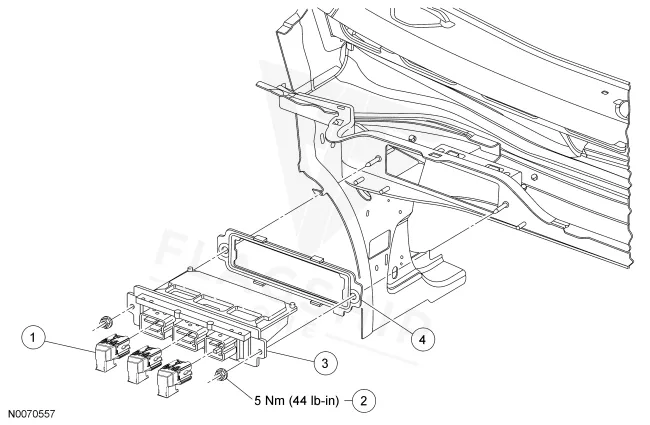
Work with the ignition off, and treat the module as static-sensitive: avoid touching the connector pins at any point.
| Operation | Configuration | Book Time |
|---|---|---|
| Powertrain Control Module R&R | All configurations | 0.4 hr |
| Engine Control Module Relearn | All configurations | 0.5 hr |
| Engine Control Module R&R | All configurations | 0.4 hr |
After replacing the PCM in your 2007 Ford Edge, the factory procedure requires reprogramming the Passive Anti-Theft System (PATS) to ensure the vehicle starts and runs properly. This step is critical because the PATS system prevents unauthorized engine starts, and a mismatched or unprogrammed module may leave your Edge inoperable. Additionally, the PCM must be calibrated to your vehicle’s specific VIN to communicate correctly with other onboard systems. Flagship One units arrive as a VIN-programmed replacement unit, eliminating the need for on-site programming. This means the module is ready to install right out of the box, saving you time and reducing the risk of programming errors during the replacement process.
A failing PCM in your 2007 Ford Edge may cause a range of symptoms, some subtle and others severe. One of the most common signs is a no-start condition, where the engine cranks but refuses to fire. Stalling at idle or during acceleration may also occur, often accompanied by rough running or hesitation. Misfire-related trouble codes, such as ignition coil A primary circuit malfunction, are frequently logged in the vehicle’s computer, indicating the PCM is struggling to control ignition timing or fuel delivery. Other symptoms include poor fuel economy, erratic shifting, or even a complete loss of communication with a scan tool. In some cases, the check engine light may illuminate without any obvious drivability issues, making diagnosis more challenging. If you notice any of these symptoms, it’s worth having the PCM checked, especially if the vehicle was built before March 2008, as early models are more prone to misfire-related faults.
Ford issued service bulletin #13-04-17 for 2007 Edge models built on or before March 1, 2008. This bulletin addresses an illuminated check engine light accompanied by misfire-related trouble codes P0351 through P0356. These codes indicate issues with the ignition coil primary circuits, which may stem from PCM software or hardware faults. The bulletin outlines diagnostic steps and potential repairs, including PCM replacement or reprogramming, to resolve the misfire conditions. If your Edge exhibits these symptoms, reviewing this bulletin with a technician may help streamline the repair process.
| Bulletin | Subject | What It Addresses |
|---|---|---|
| 13-04-17 | BUILT ON OR BEFORE 3/1/2008 – MIL ON WITH DTCS – P0351, P0352, P0353, P0354, P0355, AND/OR P035 | — |
If your Edge cranks but doesn’t start after a PCM replacement, the Passive Anti-Theft System (PATS) may not be properly programmed. The PATS system requires synchronization with the new module to allow the engine to start. Without this step, the vehicle may crank but fail to fire. A VIN-programmed replacement unit eliminates this issue by arriving pre-configured for your vehicle.
A failing PCM often triggers multiple symptoms, such as no-start conditions, stalling, or misfire codes. If your Edge exhibits these issues alongside communication errors with a scan tool, the PCM is a likely culprit. However, other components like ignition coils or sensors may cause similar symptoms, so a thorough diagnosis is recommended.
Yes, the 2007 Ford Edge requires a module relearn procedure after PCM replacement to synchronize the new module with the engine and transmission. This process typically takes about 0.5 hours of labor and ensures all systems communicate correctly. Skipping this step may result in poor performance or drivability issues.
Common trouble codes for a failing PCM in the 2007 Edge include P0351 through P0356, which indicate ignition coil circuit malfunctions. Other codes may point to fuel delivery or sensor communication issues. If your vehicle logs these codes alongside drivability problems, the PCM may need replacement or reprogramming.
Driving with a failing PCM is not recommended, as it may lead to stalling, poor performance, or even a no-start condition. In some cases, the vehicle may enter a fail-safe mode that limits power or speed. If you suspect PCM issues, have the vehicle inspected promptly to avoid further damage or unsafe driving conditions.
If your 2007 Ford Edge is experiencing PCM-related issues, you have options for repair or replacement. While some shops may attempt to reflash or repair the existing module, a replacement is often the most reliable solution. A new or remanufactured PCM ensures compatibility and eliminates the risk of recurring faults. For models built before March 2008, addressing misfire codes promptly can prevent further drivability issues. Consider a VIN-programmed unit to simplify installation and avoid post-replacement programming hassles.
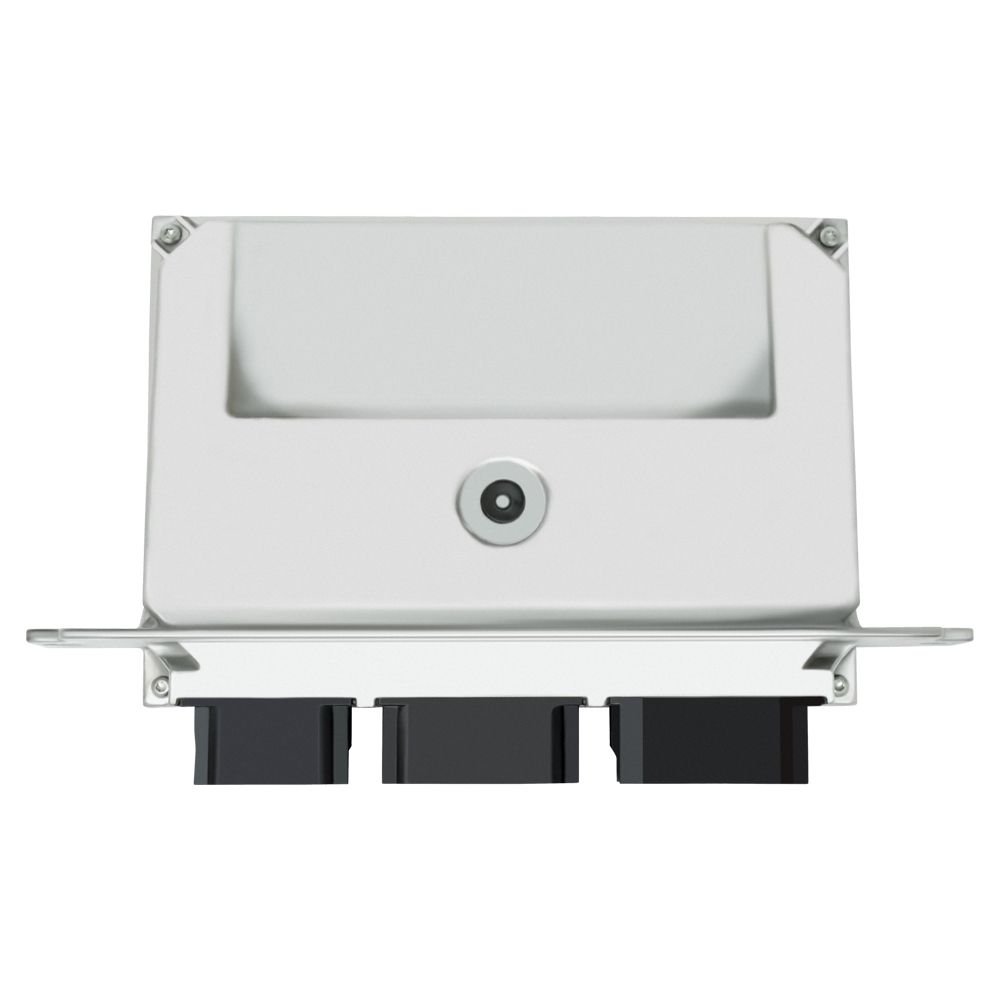
Flagship One stocks a refurbished, VIN-programmed PCM for the 2007 Ford Edge with a lifetime warranty, free shipping and no core charge. The full Ford Edge module lineup covers other engine configurations as well.
Replacing the PCM in your 2007 Ford Edge can resolve frustrating no-start conditions, stalling, or misfire codes that disrupt daily driving. Understanding the module’s role, replacement steps, and programming requirements helps you make informed decisions about repairs. Whether you opt for a DIY approach or professional installation, ensuring the new PCM is properly programmed and synchronized is key to restoring your Edge’s reliability. If you’re ready to address PCM issues, a VIN-programmed replacement unit offers a hassle-free solution.